Episode 906: Case Study of Hypernatremia

Episode 906: Case Study of Hypernatremia

Contributor: Aaron Lessen MD

Educational Pearls:

The case:

  • A gentleman came in from a nursing home with symptoms concerning for sepsis. He was hypotensive, hypoxic, febrile, and mentally altered.

  • His past medical history included previous strokes which had left him with deficits for which he required a feeding tube.

  • Initial workup included some point of care labs which revealed a sodium of 165 mEq/L (normal range 135-145)

Hypernatremia

  • What causes it?

    • Dehydration, from insufficient fluid intake. This might happen in individuals who cannot drink water independently, such as infants, elderly, or disabled people, as was the case for this patient.

    • Other causes of dehydration/hypernatremia include excessive sweating; diabetes insipidus; diuretic use; kidney dysfunction; and severe burns which can lead to fluid loss through the damaged skin.

  • How do you correct it?

    • Need to correct slowly, not more than 10 to 12 meq/L in 24 hours

    • Can do normal saline (0.9%) or half saline (0.45%) and D5, at 150-200 mL per hour.

    • Check the sodium frequently (every 2-3 hours)

    • Will likely need ICU-level monitoring

  • What happens if you correct it too quickly?

    • Cerebral edema

    • Seizures

Bonus fact: Correction of hyponatremia too quickly causes osmotic demyelination syndrome (ODS).

References

  1. Chauhan, K., Pattharanitima, P., Patel, N., Duffy, A., Saha, A., Chaudhary, K., Debnath, N., Van Vleck, T., Chan, L., Nadkarni, G. N., & Coca, S. G. (2019). Rate of Correction of Hypernatremia and Health Outcomes in Critically Ill Patients. Clinical journal of the American Society of Nephrology : CJASN, 14(5), 656–663. https://doi.org/10.2215/CJN.10640918

  2. Lindner, G., & Funk, G. C. (2013). Hypernatremia in critically ill patients. Journal of critical care, 28(2), 216.e11–216.e2.16E20. https://doi.org/10.1016/j.jcrc.2012.05.001

  3. Muhsin, S. A., & Mount, D. B. (2016). Diagnosis and treatment of hypernatremia. Best practice & research. Clinical endocrinology & metabolism, 30(2), 189–203. https://doi.org/10.1016/j.beem.2016.02.014

Summarized by Jeffrey Olson MS2 | Edited by Meg Joyce & Jorge Chalit, OMSIII

Jaksot(1145)

On the Streets #12: Salient Pre-hospital Considerations for Neurosurgical Emergencies - a Smorgasbord Part II

On the Streets #12: Salient Pre-hospital Considerations for Neurosurgical Emergencies - a Smorgasbord Part II

In this podcast, we are back again with host, Jordan Ourada, and neurosurgeon, Dr. Eddie Tsvankin as they discuss an exciting and mind-blowing array of topics pertaining to neurosurgery. Listen as Dr....

20 Loka 202147min
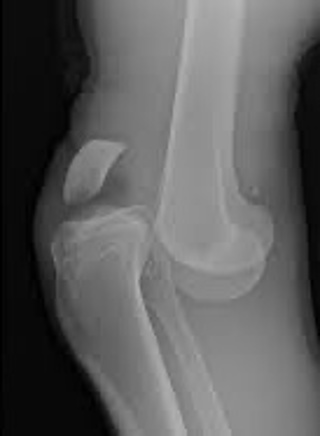
Podcast 722: Lower Extremity Dislocations

Podcast 722: Lower Extremity Dislocations

Contributor: Donald Stader, MD Educational Pearls: Hip Dislocation Prolonged dislocations can impair blood supply to femoral head Hip dislocation for >6 hours puts patient at high risk for needing ...

19 Loka 20216min

Podcast 721: Blakemore & Minnesota Tubes: Part II

Podcast 721: Blakemore & Minnesota Tubes: Part II

Contributor: Dylan Luyten, MD Educational Pearls: To place a Blakemore/Minnesota Tube: Insert into esophagus under visualization Inflate gastric port with 60 cc of air and obtain a chest xray to en...

18 Loka 20217min

On the Streets #11: Salient Pre-hospital Considerations for Neurosurgical Emergencies - a Smorgasbord

On the Streets #11: Salient Pre-hospital Considerations for Neurosurgical Emergencies - a Smorgasbord

On this episode of On The Streets, host, Jordan Ourada sits down with neurosurgeon/neurooncologist Dr. Eddie Tsvankin to discuss various topics concerning neurosurgery and how EMS workers in the field...

13 Loka 20211h 4min
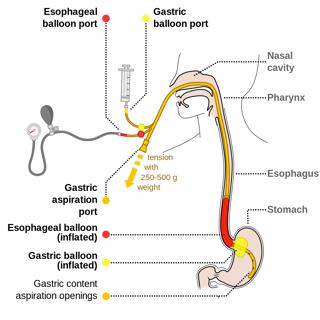
Podcast 720: Blakemore & Minnesota Tubes: Part I

Podcast 720: Blakemore & Minnesota Tubes: Part I

Contributor: Dylan Luyten, MD Educational Pearls: Minnesota Tube has an extra port for suctioning otherwise is the same as a Blakemore Tube Indicated in MASSIVE upper GI bleeding often due to esophag...

12 Loka 20215min

Podcast 719: Normal Saline vs. Tap Water for Wound Irrigation

Podcast 719: Normal Saline vs. Tap Water for Wound Irrigation

Contributor: Ricky Dhaliwal, MD Educational Pearls: Multiple RCTs and a Cochrane Review found there is no difference in wound infection rates when irrigating with tap water  Pressure of the water and...

11 Loka 20213min
Podcast 718: Renal Failure Follow Up

Podcast 718: Renal Failure Follow Up

Contributor: Aaron Lessen, MD Educational Pearls: Patients with acute renal failure often need medical management for hyperkalemia Those with severe electrolyte derangements or absent renal function ...

5 Loka 20213min
Podcast 717: A cautionary tale of renal failure

Podcast 717: A cautionary tale of renal failure

Contributor: Aaron Lessen, MD Educational Pearls: Hyperkalemia can cause EKG changes such as a widened QRS The fastest electrolyte results can be obtained off a VBG with electrolytes or point-of-car...

4 Loka 20213min

Suosittua kategoriassa Tiede

tiedekulma-podcast
rss-mita-tulisi-tietaa
rss-poliisin-mieli
docemilia
radio-antro
rss-duodecim-lehti
rss-ammamafia
rss-sosiopodi
utelias-mieli
ihanat-ipanat
mielipaivakirja
filocast-filosofian-perusteet
rss-bios-podcast
rss-tiedetta-vai-tarinaa