Episode 921: Pediatric Hypoglycemia

Episode 921: Pediatric Hypoglycemia

Contributor: Taylor Lynch, MD

Educational Pearls:

When it comes to hypoglycemia, the age dictates possible causes

  • Neonate:

    • Hormonal deficiency

      • Congenital Adrenal Hyperplasia (21-hydroxylase deficiency, 11β-hydroxylase deficiency)

      • Primary or Secondary Adrenal Insufficiency leading to cortisol deficiency

      • Hypopituitarism

    • Inborn errors of metabolism

    • Systemic infection (Under 30 days old should trigger a full infectious workup)

  • Toddler

    • Accidental ingestions

      • Sulfonylureas such as glipizide or glyburide

  • Older children

    • Addison's Disease (Hypocortisolism)

    • Accidential or intentional ingestions

    • Exogenous insulin

How is it diagnosed?

  • Child or infant

    • Glucose <60

  • Newborn

    • Glucose <45 and symptomatic or glucose <35 and asymptomatic

Treatment

  • Awake: oral glucose

  • Altered: IV glucose

  • Rule of 50's. The dose you give times the concentration should equal 50

    • Neonate to 2 months get 5 mg/kg of D10W (5*10=50)

    • 2 months to 8 years old get 2 mg/kg of D25W (2*25=50)

    • Over 8 gets 1 mg/kg of D50W (1*50=50)

    • Bonus fact: Rough estimate of weight for a child is 2*patients age plus 8

  • Recheck sugar every 15 minutes

  • If they stay hypoglycemic give another bolus and consider starting a drip at 1.5 maintenance dose of D10NS.

  • If you don't have an IV you can consider glucagon at 0.03 mg/kg IM, although you might be better off trying glucose gel buccally.

  • If standard therapy still fails you can give hydrocortisone

    • 25 mg IV for neonates and infants

    • 50 mg IV for toddlers and smaller school aged children

    • 100 mg for anyone older than that

How do you test for exogenous insulin?

  • Check a c-peptide which would be low if a patient is taking exogenous insulin

References

  1. Lang, T. F., & Hussain, K. (2014). Pediatric hypoglycemia. Advances in clinical chemistry, 63, 211–245. https://doi.org/10.1016/b978-0-12-800094-6.00006-6

  2. Lee, S. C., Baranowski, E. S., Sakremath, R., Saraff, V., & Mohamed, Z. (2023). Hypoglycaemia in adrenal insufficiency. Frontiers in endocrinology, 14, 1198519. https://doi.org/10.3389/fendo.2023.1198519

  3. Thompson-Branch, A., & Havranek, T. (2017). Neonatal Hypoglycemia. Pediatrics in review, 38(4), 147–157. https://doi.org/10.1542/pir.2016-0063

Summarized by Jeffrey Olson, MS3 | Edited by Meg Joyce, MS1 & Jorge Chalit, OMS3

Donate: https://emergencymedicalminute.org/donate/

Episoder(1145)

Podcast # 456 Hypoglycemia: Not feeling so sweet

Podcast # 456 Hypoglycemia: Not feeling so sweet

Author: Jared Scott, MD Educational Pearls: Beta-blockers can mask the effects of hypoglycemia Prolonged/refractory hypoglycemia should raise a suspicion for sulfonylurea (or other oral hypoglycemi...

12 Apr 20194min
Podcast # 455: Hunting for PeeCP

Podcast # 455: Hunting for PeeCP

Author: Michael Hunt, MD Educational Pearls: Like all tests, urine toxicology (utox) screens can have false positives Prescription medications such as demerol, antipsychotics, ketamine, and tramado...

11 Apr 20193min
Podcast # 454: Tylenol Overdose

Podcast # 454: Tylenol Overdose

Educational Pearls: Acetaminophen overdose can also present in patients taking too much over the course of days to weeks - not just intentional ingestions If acute overdose is suspected, refer to t...

9 Apr 20194min

Podcast # 453:  Headache Triggers

Podcast # 453: Headache Triggers

Author: Sam Killian, MD Educational Pearls:   Headache is a common complaint in the ED. It's plausible that headaches could be correlated with environmental factors A 2015 study ED visits for headach...

4 Apr 20192min
Podcast # 452: CADASIL

Podcast # 452: CADASIL

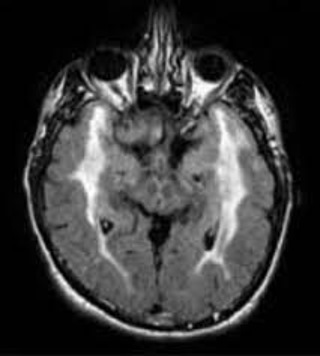
Author: Sam Killian, MD Educational Pearls: Cerebral Autosomal Dominant Arteriopathy with Subcortical Infarcts and Leukoencephalopathy (CADASIL) occurs in 1:100000 individuals The disease is caused b...

1 Apr 20193min
Podcast # 451: NSAIDs

Podcast # 451: NSAIDs

Author: Don Stader, MD Educational Pearls: Non-steroidal anti-inflammatory drugs (NSAIDs) are effective pain relievers but come with important side effects NSAIDs inhibit COX-1 and/or COX-2, which de...

29 Mar 20193min

Podcast # 450: Probiotics in Gastroenteritis

Podcast # 450: Probiotics in Gastroenteritis

Author: Sam Killian, MD Educational Pearls: Viral gastroenteritis alters the gut microbiome and it is theorized that probiotics may help reduce the duration and severity of the disease. Double-blind ...

27 Mar 20192min

Podcast #449:  Banana Bags

Podcast #449: Banana Bags

Author: Dylan Luyten, MD Educational Pearls: A "banana bag" is a bag of IV fluid that contains various vitamins and minerals including folate and thiamine IV fluids do not alter intoxicated patients ...

25 Mar 20195min

Populært innen Vitenskap

fastlegen
tingenes-tilstand
rekommandert
jss
vett-og-vitenskap-med-gaute-einevoll
rss-nysgjerrige-norge
rss-rekommandert
sinnsyn
smart-forklart
nordnorsk-historie
villmarksliv
rss-paradigmepodden
forskningno
pod-britannia
fjellsportpodden
aldring-og-helse-podden
diagnose
rss-overskuddsliv
tomprat-med-gunnar-tjomlid
tidlose-historier