Susan - An American teaching English in East Germany (130)

Susan - An American teaching English in East Germany (130)

Susan Morrison is Professor of English at Texas State University. In the late 1980’s she taught in Rostock in the former GDR and then lived in West Berlin but frequently crossed back into the East to teach and meet friends. In this episode we talk to her about her experiences and her impression of the two Germanys in 1989. During her time in Rostock, Susan got in trouble with the authorities over bulletin board known as ‘The Wall’; the way she was censured by senior academics in the GDR sheds a valuable light on how people lived within the strict system of control by using humour and compromise. Susan talks about finding the humanity in the GDR and how, as she watched the wall fall in 1989, that she wondered if unification would truly benefit all Germans. Susan also retrieved her personal Stasi File and talks about how they tracked and monitored her during her time in the GDR and the assumptions that they made (not always successfully!). If you are enjoying the podcast please leave a written review in Apple podcasts or share us on social media. By telling your friends you can really help us grow the number of listeners. If you can spare it I’m asking listeners to contribute at least $3 USD per month to help keep us on the air (larger amounts are welcome too) plus you can get a sought after CWC coaster as a monthly financial supporter of the podcast and you bask in the warm glow of knowing you helping preserve Cold War history. Just go to https://coldwarconversations.com/donate/ James our co-host is the interviewer as we welcome Susan to our Cold War conversation… There’s further information on this episode in our show notes, which can also be found as a link in your podcast app here. https://coldwarconversations.com/episode130/ If you can’t wait for next week’s episode do visit our Facebook discussion group where guests and listeners continue the Cold War Conversation. Just search Cold War Conversations in Facebook. Thank you very much for listening. It is really appreciated – goodbye. Radio GDR If you are interested in East Germany we can highly recommend our friends over at Radio GDR. Support the project! https://coldwarconversations.com/donate/ Follow us on Twitter https://twitter.com/ColdWarPod Facebook https://www.facebook.com/groups/coldwarpod/ Instagram https://www.instagram.com/coldwarconversations/ Youtube https://youtube.com/@ColdWarConversations 0:00 Introduction and Susan Morrison's first encounter with the East German 2:43 Susan's journey as a graduate student in East Germany 6:49 Susan's role as the editor of the wall newspaper and potential conflict with GDR authorities 11:09 The repercussions of posting a controversial article and the aftermath 14:31 Susan's complex feelings about her time in East Germany 18:08 Susan's discovery of her Stasi file and its references to the controversy 26:01 Susan's extended stay in Berlin and her travels to East Germany 34:35 Susan's experience living in West Berlin during the fall of the wall 46:21 Being detained at the border and misinterpretations by the East German government 56:53 The night the Berlin Wall came down and meeting with Angela after the fall 1:09:31 Feminist scholars' perspective on the change and the story of the Stasi car 1:20:05 Closing conversation with Susan Morrison and Ian Sanders wraps up the episode. Chapters powered by PodcastAI✨ Learn more about your ad choices. Visit podcastchoices.com/adchoices

Jaksot(442)

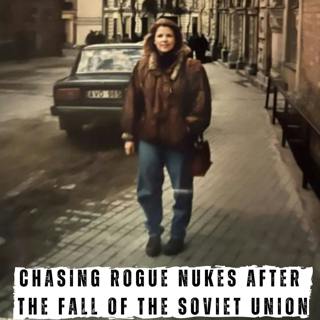
Chasing Rogue Nukes after the Fall of the Soviet Union (442)

Chasing Rogue Nukes after the Fall of the Soviet Union (442)

Susan Miller continues the story of her CIA career, recalling a harrowing experience of the 1991 US embassy fire in Moscow, and the unexpected humanity displayed by a KGB officer who helped save lives during the crisis. Episode one is here https://coldwarconversations.com/episode441/ In Poland, a KGB walk-in claims to have microfiche containing the names of every spy the KGB was running overseas. And as CIA Chief in Vilnius, Susan is confronted by another KGB walk-in with a box of weapons-grade uranium Listen to part one here https://coldwarconversations.com/episode441/ Episode extras ⁠⁠⁠⁠⁠⁠⁠⁠⁠https://coldwarconversations.com/episode442/ Help me preserve Cold War history via a simple monthly donation, You’ll become part of our community, get ad-free episodes, and get a sought-after CWC coaster as a thank you and you’ll bask in the warm glow of knowing you are helping to preserve Cold War history. Just go to ⁠⁠⁠⁠https://coldwarconversations.com/donate/⁠⁠⁠⁠ If a monthly contribution is not your cup of tea, We also welcome one-off donations via the same link. Find the ideal gift for the Cold War enthusiast in your life! Just go to ⁠⁠⁠⁠https://coldwarconversations.com/store/⁠⁠⁠⁠ CONTINUE  THE COLD WAR CONVERSATION Follow us on BlueSky ⁠⁠⁠⁠https://bsky.app/profile/coldwarpod.bsky.social⁠⁠⁠⁠ Follow us on Threads ⁠⁠⁠⁠https://www.threads.net/@coldwarconversations⁠⁠⁠⁠ Follow us on Twitter ⁠⁠⁠⁠https://twitter.com/ColdWarPod⁠⁠⁠⁠ Facebook ⁠⁠⁠⁠https://www.facebook.com/groups/coldwarpod/⁠⁠⁠⁠ Instagram ⁠⁠⁠⁠https://www.instagram.com/coldwarconversations/⁠⁠⁠⁠ Youtube ⁠⁠⁠⁠https://youtube.com/@ColdWarConversations⁠⁠⁠ Learn more about your ad choices. Visit podcastchoices.com/adchoices

7 Helmi 52min

Dead Drops and Disguises - A Female CIA Officer in 1980s Moscow (441)

Dead Drops and Disguises - A Female CIA Officer in 1980s Moscow (441)

I explore the remarkable journey of a CIA operations officer who transitioned from a quiet childhood in California to the thrilling world of espionage. What began as a joke application to the CIA turned into a life-changing opportunity. The episode delves into her rigorous training, including paramilitary courses that prepared her for the realities of fieldwork and thrilling stories from her time in Moscow during the late 1980s. Susan also gives tradecraft insights on surveillance techniques and the unique challenges faced by women in intelligence roles during that era. Episode extras ⁠⁠⁠⁠⁠⁠https://coldwarconversations.com/episode441 Part two here ⁠⁠⁠⁠⁠⁠⁠⁠⁠⁠⁠https://coldwarconversations.com/episode442 Help me preserve Cold War history via a simple monthly donation, You’ll become part of our community, get ad-free episodes, and get a sought-after CWC coaster as a thank you and you’ll bask in the warm glow of knowing you are helping to preserve Cold War history. Just go to ⁠⁠⁠https://coldwarconversations.com/donate/⁠⁠⁠ If a monthly contribution is not your cup of tea, We also welcome one-off donations via the same link. Find the ideal gift for the Cold War enthusiast in your life! Just go to ⁠⁠⁠https://coldwarconversations.com/store/⁠⁠⁠ CONTINUE  THE COLD WAR CONVERSATION Follow us on BlueSky ⁠⁠⁠https://bsky.app/profile/coldwarpod.bsky.social⁠⁠⁠ Follow us on Threads ⁠⁠⁠https://www.threads.net/@coldwarconversations⁠⁠⁠ Follow us on Twitter ⁠⁠⁠https://twitter.com/ColdWarPod⁠⁠⁠ Facebook ⁠⁠⁠https://www.facebook.com/groups/coldwarpod/⁠⁠⁠ Instagram ⁠⁠⁠https://www.instagram.com/coldwarconversations/⁠⁠⁠ Youtube ⁠⁠⁠https://youtube.com/@ColdWarConversations⁠⁠⁠ Learn more about your ad choices. Visit podcastchoices.com/adchoices

31 Tammi 49min

Cold War British Army "stay behinds" - Live at the Imperial War Museum London (440)

Cold War British Army "stay behinds" - Live at the Imperial War Museum London (440)

This special episode was recorded in front of a live audience at the Imperial War Museum London, in October 2025. I speak with Colin Ferguson, a veteran from the British Army‘s covert Special Observation Post Troop. This "stay behind" Special OP Troop consisted of selected soldiers in 6-man patrols whose task was to dig in large underground hides known as "mexe" shelters along the inner German border. They would then allow the main Soviet forces to pass over them before deploying to two smaller observation posts (Ops) where they would engage the enemy with the long-range guns and rockets of the British Army. We speak in detail about selection, training and deployment. Do check out Colin’s podcast, “The Unconventional Soldier”, which offers first-hand accounts of past conflicts, military history, book and film reviews, plus guests, dits and digressions. Episode extras ⁠⁠⁠⁠⁠https://coldwarconversations.com/episode440 Help me preserve Cold War history and via a simple monthly donation, You’ll become part of our community, get ad-free episodes, and get a sought-after CWC coaster as a thank you and you’ll bask in the warm glow of knowing you are helping to preserve Cold War history. Just go to ⁠⁠https://coldwarconversations.com/donate/⁠⁠ If a monthly contribution is not your cup of tea, We also welcome one-off donations via the same link. Find the ideal gift for the Cold War enthusiast in your life! Just go to ⁠⁠https://coldwarconversations.com/store/⁠⁠ CONTINUE  THE COLD WAR CONVERSATION Follow us on BlueSky ⁠⁠https://bsky.app/profile/coldwarpod.bsky.social⁠⁠ Follow us on Threads ⁠⁠https://www.threads.net/@coldwarconversations⁠⁠ Follow us on Twitter ⁠⁠https://twitter.com/ColdWarPod⁠⁠ Facebook ⁠⁠https://www.facebook.com/groups/coldwarpod/⁠⁠ Instagram ⁠⁠https://www.instagram.com/coldwarconversations/⁠⁠ Youtube ⁠⁠https://youtube.com/@ColdWarConversations⁠⁠ Learn more about your ad choices. Visit podcastchoices.com/adchoices

24 Tammi 54min

Planning an Escape for 13 Years: How One Family Outsmarted the Iron Curtain (439)

Planning an Escape for 13 Years: How One Family Outsmarted the Iron Curtain (439)

What would you risk to escape a totalitarian state—and how long would you be willing to wait? In this gripping episode, Peter Kasl, author of Escaping the Grip of Eastern European Communism, tells the extraordinary true story of his family’s escape from behind the Iron Curtain. Born into a country transformed by repression after the 1968 Prague Spring and the Soviet invasion, Peter grew up in a world of fear, surveillance, and whispered conversations. He recounts how his uncle’s defection marked the entire family as enemies of the state, triggering interrogations, lost opportunities, and constant pressure to conform. As a child, Peter learned early what could—and could not—be said, even at school. Over 13 long years, his parents quietly and meticulously planned their escape, knowing that a single mistake could mean prison, separation, or worse. Peter describes the deception, the danger, and the emotional cost of leaving everything behind—family, home, and country—in a desperate bid for freedom. This is a powerful firsthand account of life under communism, the courage it takes to resist it, and the life-changing journey from oppression to opportunity. A story of fear, faith, resilience, and the pursuit of freedom—this is Cold War history told by someone who lived it Episode extras ⁠https://coldwarconversations.com/episode439 The fight to preserve Cold War history continues and via a simple monthly donation, you will give me the ammunition to continue to preserve Cold War history. You’ll become part of our community, get ad-free episodes, and get a sought-after CWC coaster as a thank you and you’ll bask in the warm glow of knowing you are helping to preserve Cold War history. Just go to ⁠https://coldwarconversations.com/donate/⁠ If a monthly contribution is not your cup of tea, We also welcome one-off donations via the same link. Find the ideal gift for the Cold War enthusiast in your life! Just go to ⁠https://coldwarconversations.com/store/⁠ CONTINUE  THE COLD WAR CONVERSATION Follow us on BlueSky ⁠https://bsky.app/profile/coldwarpod.bsky.social⁠ Follow us on Threads ⁠https://www.threads.net/@coldwarconversations⁠ Follow us on Twitter ⁠https://twitter.com/ColdWarPod⁠ Facebook ⁠https://www.facebook.com/groups/coldwarpod/⁠ Instagram ⁠https://www.instagram.com/coldwarconversations/⁠ Youtube ⁠https://youtube.com/@ColdWarConversations⁠   Learn more about your ad choices. Visit podcastchoices.com/adchoices

17 Tammi 1h 23min

Why did the USA invade Grenada in 1983? (438)

Why did the USA invade Grenada in 1983? (438)

The US invasion of Grenada in 1983 remains a pivotal event in both Caribbean and Cold War history. President Reagan, fearing the spread of communism in the Caribbean and the safety of US citizens, initiated military action. US forces launched a swift invasion, aiming to seize control of the island and restore order. However, the operation was fraught with challenges. Intelligence failures, miscommunication, and the chaotic nature of the military operation raised questions about the effectiveness of US planning and coordination. Internationally, the invasion was met with condemnation. The United Nations General Assembly passed a resolution denouncing the intervention as a violation of international law. Critics argued that the US had blurred the lines between humanitarian intervention and regime change, setting a dangerous precedent for future military actions. As history often shows, the smallest conflicts can have the most profound impacts, shaping policies and perceptions for decades to come. The story of Grenada is not just about a military operation; it serves as a poignant reminder of the intricate interplay between local politics and global power dynamics. Related episodes 1983 – the year the Cold War almost turned hot Episode Extras - Maps and videos https://coldwarconversations.com/episode438/ The fight to preserve Cold War history continues and via a simple monthly donation, you will give me the ammunition to continue to preserve Cold War history. You’ll become part of our community, get ad-free episodes, and get a sought-after CWC coaster as a thank you and you’ll bask in the warm glow of knowing you are helping to preserve Cold War history. Just go to ⁠⁠https://coldwarconversations.com/donate/⁠⁠ If a monthly contribution is not your cup of tea, We also welcome one-off donations via the same link. Find the ideal gift for the Cold War enthusiast in your life! Just go to ⁠⁠https://coldwarconversations.com/store/⁠⁠ CONTINUE  THE COLD WAR CONVERSATION Follow us on BlueSky ⁠⁠https://bsky.app/profile/coldwarpod.bsky.social⁠⁠ Follow us on Threads ⁠⁠https://www.threads.net/@coldwarconversations⁠⁠ Follow us on Twitter ⁠⁠https://twitter.com/ColdWarPod⁠⁠ Facebook ⁠⁠https://www.facebook.com/groups/coldwarpod/⁠⁠ Instagram ⁠⁠https://www.instagram.com/coldwarconversations/⁠⁠ Youtube ⁠⁠https://youtube.com/@ColdWarConversations⁠⁠ Learn more about your ad choices. Visit podcastchoices.com/adchoices

10 Tammi 50min

When Terrorism Went Global: Plane Hijackings and Violence in the 1970s (437)

When Terrorism Went Global: Plane Hijackings and Violence in the 1970s (437)

In the 1970s, a network of radical extremists terrorised the West with intricately planned plane hijackings and hostage-takings. Among them was the young Leila Khaled with her jewellery made from grenade rings, the hard-drinking Carlos the Jackal in shades and designer suits, and the radical leftists of the Baader-Meinhof Gang. United by their hatred of Israel, capitalism and ‘Western imperialism’, they unleashed a series of audacious attacks that brought governments to their knees and glued the world to their televisions in morbid fascination. Drawing on decades of research, recently declassified government files, secret documents, and original interviews with hijackers, spies, witnesses and victims, I speak with Jason Burke, the author of “The Revolutionists - The Story of the Extremists Who Hijacked the 1970s” takes us into the lives and minds of the perpetrators of these often-deadly operations. Buy the book here https://uk.bookshop.org/a/1549/9781847926067 Related episodes: Watching the Jackals: Prague’s Covert Liaisons with Cold War Terrorists and Revolutionaries https://coldwarconversations.com/episode382/ Terrorism in the Cold War https://coldwarconversations.com/episode205/ Episode extras ⁠⁠⁠⁠https://coldwarconversations.com/episode437⁠ The fight to preserve Cold War history continues and via a simple monthly donation, you will give me the ammunition to continue to preserve Cold War history. You’ll become part of our community, get ad-free episodes, and get a sought-after CWC coaster as a thank you and you’ll bask in the warm glow of knowing you are helping to preserve Cold War history. Just go to ⁠⁠https://coldwarconversations.com/donate/⁠⁠ If a monthly contribution is not your cup of tea, We also welcome one-off donations via the same link. Find the ideal gift for the Cold War enthusiast in your life! Just go to ⁠⁠https://coldwarconversations.com/store/⁠⁠ CONTINUE  THE COLD WAR CONVERSATION Follow us on BlueSky ⁠⁠https://bsky.app/profile/coldwarpod.bsky.social⁠⁠ Follow us on Threads ⁠⁠https://www.threads.net/@coldwarconversations⁠ Follow us on Twitter ⁠⁠https://twitter.com/ColdWarPod⁠ Facebook ⁠⁠https://www.facebook.com/groups/coldwarpod/⁠ Instagram ⁠⁠https://www.instagram.com/coldwarconversations/⁠ Youtube ⁠⁠https://youtube.com/@ColdWarConversations⁠⁠   Learn more about your ad choices. Visit podcastchoices.com/adchoices

3 Tammi 1h

When East German Soldiers Dreamed of Flying Over the Wall (436)

When East German Soldiers Dreamed of Flying Over the Wall (436)

Andrew was a British modern languages student in 1989. He recounts the serendipitous moment when he stumbled upon an advert for a work and holiday trip to the GDR. The trip was organized by the Great Britain GDR Society, which allowed participants to experience life behind the Iron Curtain. For just £120, students could immerse themselves in a culture that was vastly different from what they knew. The only requirement was to join the society, which piqued the curiosity of our guest, who had previously visited West Germany but had yet to set foot in the East. As the group engaged in work on a building site, they encountered East German soldiers and workers, sharing stories and forging unexpected friendships. The camaraderie that developed during these moments highlighted the human connections that transcended political boundaries. Andrew reflects on the peculiarities of the trip, from the shoddy living conditions to the surreal experience of mingling with locals who had their own dreams and aspirations. Episode extras https://coldwarconversations.com/episode436/ The fight to preserve Cold War history continues and via a simple monthly donation, you will give me the ammunition to continue to preserve Cold War history. You’ll become part of our community, get ad-free episodes, and get a sought-after CWC coaster as a thank you and you’ll bask in the warm glow of knowing you are helping to preserve Cold War history. Just go to https://coldwarconversations.com/donate/ If a monthly contribution is not your cup of tea, We also welcome one-off donations via the same link. Find the ideal gift for the Cold War enthusiast in your life! Just go to https://coldwarconversations.com/store/ CONTINUE  THE COLD WAR CONVERSATION Follow us on BlueSky https://bsky.app/profile/coldwarpod.bsky.social Follow us on Threads https://www.threads.net/@coldwarconversations Follow us on Twitter https://twitter.com/ColdWarPod Facebook https://www.facebook.com/groups/coldwarpod/ Instagram https://www.instagram.com/coldwarconversations/ Youtube https://youtube.com/@ColdWarConversations   Learn more about your ad choices. Visit podcastchoices.com/adchoices

27 Joulu 20251h 14min

Cold War Kid to Space Age Engineer via President Kennedy's last flight alive & RAF Upper Heyford (435)

Cold War Kid to Space Age Engineer via President Kennedy's last flight alive & RAF Upper Heyford (435)

Keith Longstreth takes us through an extraordinary life shaped by the rhythms and risks of the Cold War. Born into an Air Force family, Keith grew up on bases across the world—from Scotland to Italy to Texas, where he describes a poignant last farewell to President Kennedy before his assassination. His career in the USAF placed him behind the scenes of America’s most critical aircraft, including time at RAF Upper Heyford during the tense early 1980s. There, he lived through chemical-attack drills, nuclear-strike simulations, and the ever-present pressure of NATO–Soviet confrontation. Rising to become an astronautical engineer, Keith later worked on GPS satellites and experiments flown on the Space Shuttle. Episode Extras ⁠⁠⁠⁠⁠⁠⁠https://coldwarconversations.com/episode435/ ⁠⁠Help me preserve Cold War history. ⁠⁠⁠ You’ll become part of our community, get ad-free episodes, and get a sought-after CWC coaster as a thank you and you’ll bask in the warm glow of knowing you are helping to preserve Cold War history. Just go to ⁠⁠⁠⁠https://coldwarconversations.com/donate/⁠⁠⁠⁠ If a monthly contribution is not your cup of tea, We also welcome one-off donations via the same link. Find the ideal gift for the Cold War enthusiast in your life! Just go to ⁠⁠https://coldwarconversations.com/store/⁠⁠ CONTINUE  THE COLD WAR CONVERSATION Follow us on BlueSky ⁠⁠https://bsky.app/profile/coldwarpod.bsky.social⁠⁠ Follow us on Threads ⁠⁠https://www.threads.net/@coldwarconversations⁠⁠ Follow us on Twitter/X ⁠⁠https://twitter.com/ColdWarPod⁠⁠ Facebook ⁠⁠https://www.facebook.com/groups/coldwarpod/⁠⁠ Instagram ⁠⁠https://www.instagram.com/coldwarconversations/⁠⁠ Youtube ⁠⁠https://youtube.com/@ColdWarConversations⁠ Learn more about your ad choices. Visit podcastchoices.com/adchoices

20 Joulu 20251h 27min

Suosittua kategoriassa Yhteiskunta

olipa-kerran-otsikko
siita-on-vaikea-puhua
i-dont-like-mondays
gogin-ja-janin-maailmanhistoria
kolme-kaannekohtaa
poks
antin-palautepalvelu
sita
aikalisa
mamma-mia
yopuolen-tarinoita-2
kaksi-aitia
rss-murhan-anatomia
rss-palmujen-varjoissa
rss-ootsa-kuullut-tasta
meidan-pitais-puhua
rss-nikotellen
ootsa-kuullut-tasta-2
terapeuttiville-qa
rss-haudattu