UK Alzheimer’s Society opens new grant funding round

UK Alzheimer’s Society opens new grant funding round

It’s been a rocky year and a bit for both research funders and researchers, but Alzheimer’s Society in the UK is pleased to announce that they have opened a call for new grant applications, closing 16th September 2021.

What kind of research does the Society fund?

As with previous grant rounds, our research funding is organised in two streams. In both streams, we will consider research related to any type of dementia and associated conditions.

  • Biomedical research. This includes but is not limited to preclinical, clinical, and translational work, brain tissue research, discovery and validation of biomarkers, neuropsychology, symptom management, and clinical trials.
  • Care, implementation, and public health research. This includes but is not limited to research related to the five goals of our Dementia Research Roadmap (prevention, maximising benefits, quality of life, enabling the dementia workforce, and quality and inclusivity of care). This research can be done through primary data collection or secondary analyses and should be focused on the needs of people with dementia, their families and informal carers, and/or professionals working in the field.
What kind of grants are available?

In this round we’ll be funding the following types of grants:

  • PhD studentships. Applications need to be made by the prospective supervisor and can be with or without a named student, so if you want us to fund your PhD, the first step is to contact the institution you’d like to host you, or the supervisor you want to work with.
  • Clinician and healthcare professionals training fellowships. These are for professionals working in dementia clinical or health services who want to work towards a higher research degree, usually a PhD. However, unlike our PhD studentships, you can apply directly to us rather than going through a supervisor.
  • Clinical training partnerships. Like the clinician and healthcare training fellowships, these are to support professionals working in dementia clinical or health services who want to work towards a higher degree. However, this grant is for institutions who want to support two or three fellows at a time, and the application should be made by someone working at that institution.
  • Research fellowships. These are for postdoctoral researchers who want to demonstrate their potential to be an independent researcher. As a guide, you should be looking to apply at this level if your PhD viva was in the last five years.
  • Senior fellowships. These are for researchers who want to build on an established track record in dementia research. You’ll need to be a minimum of five years from your PhD viva to apply at this level.
  • Project grants. These larger grants are for established researchers who want to carry out world-class dementia research.

For more information visit:

https://www.dementiaresearcher.nihr.ac.uk/alzheimers-society-opens-new-grant-funding-round/

Jaksot(674)

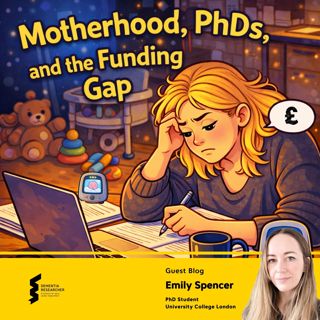
Emily Spencer - Motherhood, PhDs, and the Funding Gap

Emily Spencer - Motherhood, PhDs, and the Funding Gap

Emily Spencer, narrating her blog written for the Dementia Researcher website. In this blog, Emily shares her experience of balancing a PhD with early motherhood, reflecting on both the encouragement ...

24 Maalis 6min
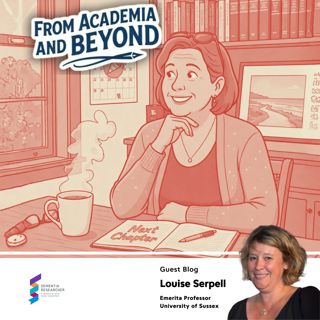
Professor Louise Serpell - From Academia and Beyond

Professor Louise Serpell - From Academia and Beyond

Professor Louise Serpell, narrates her blog written for the Dementia Researcher website. In this reflective blog, Louise looks back on more than three decades in academia researching neurod...

12 Maalis 5min
Dr Emma Law - Managing patient expectations (without overpromising)

Dr Emma Law - Managing patient expectations (without overpromising)

Dr Emma Law, narrating her blog written for the Dementia Researcher website. In this blog, Emma discusses the delicate balance between encouraging participation in dementia research and being r...

12 Maalis 8min
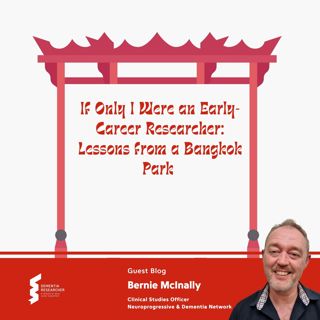
Bernie McInally - If Only I Were an ECR Lessons from a Bangkok Park

Bernie McInally - If Only I Were an ECR Lessons from a Bangkok Park

Bernie McInally narrates his blog written for Dementia Researcher. In this blog, Bernie describes a striking scene in a Bangkok park where older adults gather every morning to exercise, sing karaoke, ...

11 Maalis 9min
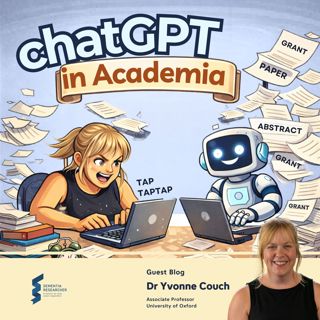
Dr Yvonne Couch - chatGPT in Academia

Dr Yvonne Couch - chatGPT in Academia

Dr Yvonne Couch, narrates her blog written for the Dementia Researcher website. Artificial intelligence tools such as ChatGPT are rapidly becoming part of academic life. In this reflective blog, Yvonn...

10 Maalis 9min
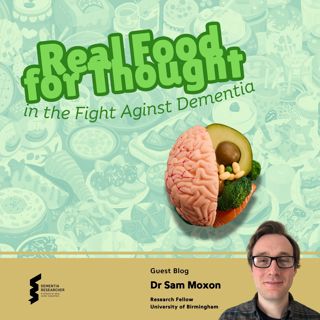
Dr Sam Moxon - Real Food for Thought in the Fight Against Dementia

Dr Sam Moxon - Real Food for Thought in the Fight Against Dementia

Dr Sam Moxon, narrates his blog written for Dementia Researcher. In this blog, Sam reflects on emerging research suggesting that diet and lifestyle interventions may influence the progression of A...

9 Maalis 5min
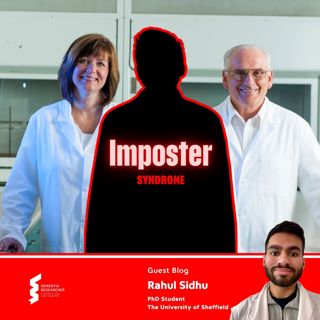
Rahul Sidhu - Imposter Syndrome

Rahul Sidhu - Imposter Syndrome

Rahul Sidhu, narrating a new blog he wrote for the Dementia Researcher website. In this blog, Rahul reflects on his experience of imposter syndrome throughout his research career, from early lab w...

5 Maalis 7min
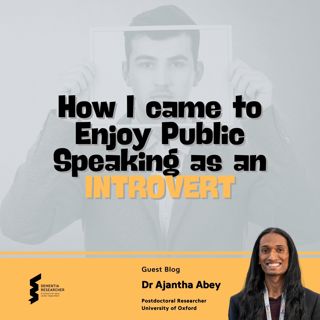
Dr Ajantha Abey - How I Came To Enjoy Public Speaking As An Introvert

Dr Ajantha Abey - How I Came To Enjoy Public Speaking As An Introvert

Dr Ajantha Abey narrates his blog written for Dementia Researcher. In this blog, Ajantha shares how they went from being deeply uncomfortable speaking in front of others to actively enjoying givin...

4 Maalis 17min

Suosittua kategoriassa Koulutus

rss-murhan-anatomia
voi-hyvin-meditaatiot-2
psykopodiaa-podcast
adhd-podi
rss-narsisti
rss-rahamania
rahapuhetta
rss-liian-kuuma-peruna
kesken
rss-uskonto-on-tylsaa
rss-vapaudu-voimaasi
rss-niinku-asia-on
rss-tietoinen-yhteys-podcast-2
aloita-meditaatio
salainen-paivakirja
esa-saarinen-filosofia-ja-systeemiajattelu
filocast-filosofian-perusteet
rss-valo-minussa-2
rss-koira-haudattuna
rss-hereilla