
Ep. 205 Update on Reimbursement Cuts for the OBL/ASC with Dr. Jim Melton and Dr. Blake Parsons

Ep. 205 Update on Reimbursement Cuts for the OBL/ASC with Dr. Jim Melton and Dr. Blake Parsons

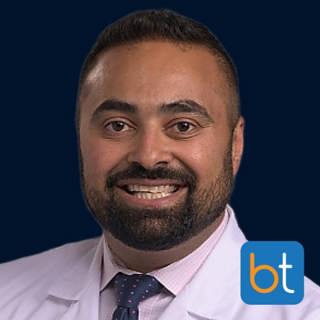
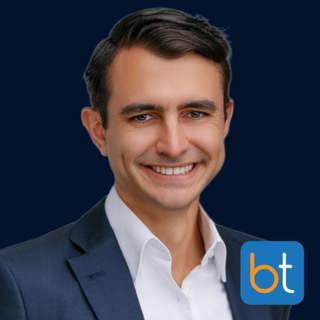
In this episode Vascular Surgeon Jim Melton and Interventional Radiologist Blake Parsons give us the lay of the land on recent reimbursement cuts in the OBL/ASC space, including peripheral artery disease treatments and embolization procedures, as well as projections of what to expect in the next few years. --- CHECK OUT OUR SPONSOR Boston Scientific Eluvia Drug-Eluting Stent https://www.bostonscientific.com/en-US/medical-specialties/vascular-surgery/drug-eluting-therapies/eluvia/eluvia-clinical-trials.html?utm_source=oth_site&utm_medium=native&utm_campaign=pi-at-us-de_portfolio-hci&utm_content=n-backtable-n-backtable_site_eluvia_1&cid=n10008043 --- SHOW NOTES In this episode, host Dr. Aaron Fritts interviews interventional radiologist Dr. Blake Parsons and vascular surgeon Dr. Jim Melton about navigating recent Medicaid reimbursement cuts in their hybrid Office Based Lab (OBL) and Ambulatory Surgery Center (ASC), CardioVascular Health Clinic. This episode largely follows a question and answer format, where our guests respond to previously-submitted audience questions. The guests start by outlining recent vascular surgery and interventional radiology reimbursement cuts from 2022, as well as sharing information on future cuts through 2026. Most cuts are PAD-focused, but they also include pain management procedures like kyphoplasty. Dr. Parsons advises IRs to think about diversifying their practices to encompass procedures outside of PAD. He summarizes the average profits generated in various types of IR cases. He also predicts that there will be more reimbursement cuts on embolization cases, as prostate and geniculate embolizations become more popular. To protect profit margins by means of cost reduction, the doctors negotiate with vendor pricing and try to leverage disposables against capital. Dr. Melton describes the current political landscape and physician advocacy efforts. While industry has started to position themselves to help advocate for OBLs and ASCs, Dr. Melton believes that industry and physicians should be more politically active. He encourages physicians to get involved with their medical societies and reach out to local representatives and senators in order to highlight the benefits of patient care in an OBL/ASC setting– faster recovery, lower risk of infection, and overall lower cost for the healthcare system. --- RESOURCES CardioVascular Health Clinic: https://cvhealthclinic.com/ SIRPAC: https://www.sirweb.org/advocacy/sirpac/ OEIS: https://oeisociety.com/

Jaksot(609)

Ep. 596 Thrombin Injection for Pseudoaneurysms: Technique & Considerations with Dr. Gabriel Werder

Ep. 596 Thrombin Injection for Pseudoaneurysms: Technique & Considerations with Dr. Gabriel Werder

Pseudoaneurysms are among the most common complications of vascular access. Here’s a refresher on how to treat them with thrombin injection featuring interventional radiologist Dr. Gabriel Werder from Radiology Associates of Florida. Alongside host Dr. Chris Beck, Dr. Werder outlines both the clinical and procedural approach to thrombin injection for pseudoaneurysms. --- SYNPOSIS This episode covers best practices for thrombin injection procedures, including preferred needle positioning techniques, sedation protocols, ultrasound evaluation, and follow-up care. The physicians discuss recent evidence supporting needle placement at the center of the sac from an inferior approach, and share specific cases that highlight the utility of balloon-assisted thrombin injections. Dr. Werder provides a detailed walkthrough of his technique, including contralateral femoral access, balloon oversizing, and preferences for a post-procedural run-off angiogram. The episode also touches on complex pseudoaneurysms with multiple sacs and learnings from several other unique cases. --- TIMESTAMPS 00:00 - Introduction03:53 - Thrombin Injection Procedural Overview08:14 - Procedure Setup and Execution16:13 - Needle Positioning and Ultrasound Evaluation18:47 - Handling Complex Pseudoaneurysms19:20 - Balloon Occlusion Thrombin Injection19:59 - Case Studies and Practical Insights26:21 - Post-Procedure Care and Follow-Up29:17 - Final Thoughts and Reflections --- RESOURCES Kim et al. “Optimal thrombin injection method for the treatment of femoral artery pseudoaneurysm” - https://www.jthjournal.org/article/S1538-7836(24)00048-5/fulltext

9 Joulu 32min

Ep. 595 Lung Cancer Staging and Systemic Therapies: Recent Advancements with Dr. Karen Reckamp and Dr. Scott Atay

Ep. 595 Lung Cancer Staging and Systemic Therapies: Recent Advancements with Dr. Karen Reckamp and Dr. Scott Atay

How do leading oncologists interpret the abundance of molecular tests, genomic data, and biomarkers to create a lung cancer patient’s treatment plan? In this episode of the 2025 NSCLC Creator Weekend™ series, our tumor board discusses the complexities of lung cancer treatment, including new systemic therapies, lung cancer staging, and the role of molecular diagnostics and liquid biopsies. --- This podcast is supported by an educational grant from Johnson & Johnson and Varian. --- SYNPOSIS The panel, featuring specialists from various institutions, discusses the specifics of sequencing therapies, the impact of targeted and immunotherapies, and the nuances of treating different patient profiles, including non-smokers and those with specific genetic mutations. The conversation also touches on the integration of new staging systems, the benefits of multidisciplinary clinics, and the ongoing evolution of cancer treatment trials. The discussion aims to provide clarity on the latest advancements and future directions in managing lung cancer, emphasizing the importance of tailored treatment plans and the potential of emerging technologies. --- TIMESTAMPS 00:00 - Introduction05:16 - Molecular Diagnostics and Liquid Biopsy21:43 - Targeted Therapy Options27:29 - Managing Toxicities and Treatment Strategies33:13 - Challenges with Immunotherapy in Special Cases34:07 - Lung Transplantation in Cancer Patients48:38 - Multidisciplinary Clinics and Collaboration01:06:29 - Future Directions --- RESOURCES ADAURA Trialhttps://www.nejm.org/doi/full/10.1056/NEJMoa2027071 Gomez NSCLChttps://pmc.ncbi.nlm.nih.gov/articles/PMC5143183/

5 Joulu 1h 8min

Ep. 594 How New Guidelines are Shaping Acute DVT Management with Dr. Steven Abramowitz

Ep. 594 How New Guidelines are Shaping Acute DVT Management with Dr. Steven Abramowitz

Are you up to date with the latest guidelines on deep venous thrombosis (DVT) management? Dr. Steven Abramowitz, vascular surgeon at MedStar Health, joins host Dr. Chris Beck for a deep dive into emerging clinical data in DVT management, where they review the evolving indications for mechanical thrombectomy and the implications of studies like the ATTRACT trial, the CLOUT registry, and the ongoing DEFIANCE trial. --- This podcast is supported by: Inari Medicalhttps://www.inarimedical.com/artix-system --- SYNPOSIS Dr. Abramowitz reviews recent data comparing outcomes of mechanical intervention versus lytic-based therapy, outlining how each approach fits into current practice. He underscores the critical role of IVUS in determining treatment endpoints, while noting the ongoing challenge of an absent standardized definition. The conversation also offers practical insights on procedural techniques and the evolving role of anticoagulation, emphasizing the importance of close collaboration and open communication with referring physicians. --- TIMESTAMPS 00:00 - Introduction00:45 - Overview of DVT Management02:50 - New Guidelines for DVT Treatment07:30 - Technical Endpoints in DVT Treatment13:26 - Clout Registry and Its Findings17:57 - Anticoagulation and DVT23:05 - Defining Acute DVT Management27:00 - Evolving Approaches to Acute DVT28:19 - Patient Experience and Quality of Life31:08 - Referring Providers and Data Impact37:01 - Single Session Treatments and Stenting41:07 - Chronic Venous Disease Management --- RESOURCES (ATTRACT) Weinberg I, Vedantham S, Salter A, et al. Relationships between the use of pharmacomechanical catheter-directed thrombolysis, sonographic findings, and clinical outcomes in patients with acute proximal DVT: Results from the ATTRACT Multicenter Randomized Trial. Vasc Med. 2019;24(5):442-451. doi:10.1177/1358863X19862043https://pubmed.ncbi.nlm.nih.gov/31354089/ (CLOUT) Shaikh A, Zybulewski A, Paulisin J, et al. Six-Month Outcomes of Mechanical Thrombectomy for Treating Deep Vein Thrombosis: Analysis from the 500-Patient CLOUT Registry. Cardiovasc Intervent Radiol. 2023;46(11):1571-1580. doi:10.1007/s00270-023-03509-8https://pubmed.ncbi.nlm.nih.gov/37580422/ (DEFIANCE) Abramowitz SD, Marko X, D'Souza D, et al. Rationale and design of the DEFIANCE study: A randomized controlled trial of mechanical thrombectomy versus anticoagulation alone for iliofemoral deep vein thrombosis. Am Heart J. 2025;281:92-102. doi:10.1016/j.ahj.2024.10.016https://pubmed.ncbi.nlm.nih.gov/39491572/

2 Joulu 46min

Ep. 593 Evaluating IR Programs: A Residency Applicant's Guide with Dr. Neil Jain

Ep. 593 Evaluating IR Programs: A Residency Applicant's Guide with Dr. Neil Jain

What should you know before applying to an interventional radiology residency program? Get 70 minutes of free advice in this week's episode of BackTable featuring Georgetown IR fellow Dr. Neil Jain and host Dr. Chris Beck, covering everything from building your IR resume to crushing your interviews. SYNPOSIS The conversation starts by covering the essential steps that medical students can take to build their resume prior to the application cycle, including involvement in the medical student sections of SIR, CIRSE, and local symposiums. Dr. Jain highlights the importance of mentorship and research, strategies for obtaining strong letters of recommendation, and effectively navigating both home and away rotations. The discussion also extends to interview preparation, program selection, signaling updates, and the rank list construction. The episode also touches on the SOAP process for unmatched applicants and the avenues to secure a match. Importantly, Dr. Jain emphasizes the significance of fit over prestige and finding a program that aligns with your values and professional goals. --- TIMESTAMPS 00:00 - Introduction03:07 - Building Your Resume for IR10:43 - Away Rotations and Letters of Recommendation 23:54 - Personal Statements: Importance and Tips30:07 - Application Strategies: IR and DR Programs41:48 - Utilizing Signaling in the Application Process44:19 - Evaluating Programs During Interviews49:58 - Letters of Interest and Intent54:33 - The Interview Day Experience01:04:47 - Building Your Rank List01:08:56 - The SOAP Process01:12:50 - Final Advice and Closing Remarks --- RESOURCES 2025 NRMP Match Data https://www.nrmp.org/wp-content/uploads/2025/03/Advance_Data_Tables_2025.pdfSociety of Interventional Radiology Trainee Websitehttps://www.sirweb.org/in-training/ VI 372 - IR Pathways Unveiled: Matching, Training & Beyond https://www.backtable.com/shows/vi/podcasts/372/ir-pathways-unveiled-matching-training-beyond VI 554: Optimizing the IR/DR Curriculum & Experiencehttps://www.backtable.com/shows/vi/podcasts/554/optimizing-the-ir-dr-curriculum-experience

28 Marras 1h 15min

Ep. 592 Comparing Thermal Ablation Techniques for Liver Lesions with Dr. Jason Hoffmann

Ep. 592 Comparing Thermal Ablation Techniques for Liver Lesions with Dr. Jason Hoffmann

With the range of interventional modalities that are available for metastatic liver tumors, when should you advocate for thermal ablation at the tumor board? In this episode of BackTable, host Dr. Sabeen Dhand welcomes back Dr. Jason Hoffman, an interventional radiologist from New York University, to discuss tools, techniques, and multidisciplinary collaboration around microwave ablation for liver metastases. --- This podcast is supported by: Varian https://www.varian.com/products/interventional-solutions/microwave-ablation-solutions --- SYNPOSIS The physicians discuss the decision-making process behind using microwave ablation for metastatic liver disease, and strategies for advocating for the technology in tumor boards. Dr. Hoffman especially emphasizes the value of educating patients about their options and using thoughtful clinical judgement as an IR. The discussion delves into the benefits and advancements in microwave ablation, including his experience with the Varian system in light of NeuWave’s discontinuation. Dr. Hoffman shares the utility of software guidance, system fusion with CT machines, temperature monitoring, and the ability to achieve a more spherical ablation zone. --- TIMESTAMPS 00:00 - Introduction04:39 - Practice Growth11:10 - Microwave Ablation Technology12:43 - Multidisciplinary Approach to Liver Metastases26:48 - Microwave Technology and Probe Placement28:42 - Guidance Software and Technological Integration30:40 - Planning and Intraoperative Decisions40:28 - Future of Microwave Ablation48:35 - Conclusion and Final Thoughts

25 Marras 52min

Ep. 591 NSCLC Tumor Board Discussion: Considerations for Oligometastatic Disease with Dr. Karen Reckamp, Dr. Scott Atay, Dr. Scott Oh and Dr. Alan Lee

Ep. 591 NSCLC Tumor Board Discussion: Considerations for Oligometastatic Disease with Dr. Karen Reckamp, Dr. Scott Atay, Dr. Scott Oh and Dr. Alan Lee

When cancer spreads to the brain, what is the best approach: immediate local treatment or systemic immunotherapy first? Part two of the 2025 NSCLC Creator Weekend™ series focuses on a complex case involving a 75-year-old woman with a history of breast malignancy, presenting with new dyspnea and a large mass in the left lower lobe. --- This podcast is supported by an educational grant from Johnson & Johnson and Varian. --- SYNPOSIS Our mock tumor board consists of surgeons, medical oncologists, and radiation oncologists to deliberate and determine the best treatment plan. The specialists explore diagnostic and treatment options, including neoadjuvant chemoimmunotherapy, invasive mediastinal staging, and the potential for surgical resection or radiation therapy. --- TIMESTAMPS 00:00 - Introduction05:01 - Approach to Isolated Brain Metastasis09:09 - Radiation Therapy Considerations12:06 - Imaging and Follow-Up Strategies14:39 - Resectability and Surgical Decisions19:10 - Conclusion --- RESOURCES PACIFIC Clinical Trialhttps://www.nejm.org/doi/full/10.1056/NEJMoa1709937

21 Marras 20min

Ep. 590 Deep Venous Arterialization: Techniques & Outcomes with Dr. Miguel Montero Baker and Dr. Lucas M Ferrer Cardona

Ep. 590 Deep Venous Arterialization: Techniques & Outcomes with Dr. Miguel Montero Baker and Dr. Lucas M Ferrer Cardona

When conventional revascularization fails, can deep venous arterialization offer a new lifeline to limb salvage? Dr. Lucas Ferrer Cardona, vascular surgeon at Ascension and Dr. Miguel Montero Baker, vascular surgeon and medical director at HOPE Clinical Innovation Center join host Dr. Sabeen Dhand for an insightful discussion on deep venous arterialization (DVA). --- This podcast is supported by: RADPAD® Radiation Protectionhttps://www.radpad.com/ --- SYNPOSIS The doctors discuss the progression of deep venous arterialization, highlighting the benefits of open, endovascular, and hybrid approaches. They draw on their personal experiences to share key technical nuances and explore new devices such as the Aveera Boomerang device. They emphasize the critical role of patient selection, family support, and close postoperative surveillance, including weekly wound assessments and monthly ultrasound evaluations. Although currently FDA-approved for no-option chronic limb-threatening ischemia (CLTI), Dr. Baker notes that deep venous arterialization may hold promise even for patients earlier in the disease course.The episode concludes by exploring future directions for deep venous arterialization, highlighting the ongoing need for research to advance limb preservation. --- TIMESTAMPS 00:00 - Introduction03:15 - The Inspiration Behind Their Podcast10:05 - Challenges and Success Stories in Vascular Surgery10:29 - Exploring Deep Venous Arterialization (DVA)25:16 - Hybrid Approaches and Patient Outcomes32:06 - Evolution of Endovascular Techniques37:33 - Patient Selection and Criteria38:52 - Understanding the Biology of Procedures43:57 - Exploring New Techniques and Devices58:52 - Challenges and Considerations01:01:51 - Final Thoughts --- RESOURCES Hybrid superficial venous arterialization and endovascular deep venous arterializationhttps://pubmed.ncbi.nlm.nih.gov/37404577/ Transcatheter Arterialization of Deep Veins in Chronic Limb-Threatening Ischemiahttps://www.nejm.org/doi/full/10.1056/NEJMoa2212754

18 Marras 1h 4min

Ep. 589 Lung Cancer Tumor Boards: Multidisciplinary Approaches & Best Practices with Dr. Karen Reckamp, Dr. Scott Atay, Dr. Scott Oh, Dr. Alan Lee

Ep. 589 Lung Cancer Tumor Boards: Multidisciplinary Approaches & Best Practices with Dr. Karen Reckamp, Dr. Scott Atay, Dr. Scott Oh, Dr. Alan Lee

As lung cancer treatments become more complex, is a collaborative tumor board more essential than ever? We’re kicking off the 2025 NSCLC Creator Weekend™ series with an in-studio panel discussion on the multidisciplinary management of lung cancer. The panel includes experts from medical oncology, thoracic surgery, radiation oncology, and interventional pulmonology from major institutions in Los Angeles. --- This podcast is supported by an educational grant from Johnson & Johnson and Varian. --- SYNPOSIS They discuss the operation of tumor boards at their respective institutions, the impact of virtual meetings, optimal strategies for mediastinal staging, the management of early-stage lung cancer, and the emerging role of ablation therapy. The conversation dives into the complexities of treating patients with recurrence or metastatic disease, highlighting the importance of collaborative decision-making in navigating these challenging scenarios. The episode emphasizes the critical role of multidisciplinary tumor boards in providing informed, patient-centered care. --- TIMESTAMPS 00:00 - Introduction06:59 - Role of Pulmonologists in Tumor Boards12:08 - Importance of Tissue Diagnosis24:52 - Lung Cancer Screening and Stigma34:01 - Interventional Radiology and Biopsies46:21 - Challenges with Immunotherapy and Radiation53:44 - The Importance of Multidisciplinary Teams54:24 - Final Thoughts --- RESOURCES American Lung Association 2024 Datahttps://www.lung.org/getmedia/12020193-7fb3-46b8-8d78-0e5d9cd8f93c/SOLC-2024.pdf National Lung Screening Trialhttps://www.nejm.org/doi/full/10.1056/NEJMoa1102873 Checkmate 816https://www.nejm.org/doi/full/10.1056/NEJMoa2202170 PACIFIC Trialhttps://www.nejm.org/doi/full/10.1056/NEJMoa1709937

14 Marras 55min

Suosittua kategoriassa Koulutus

rss-murhan-anatomia
voi-hyvin-meditaatiot-2
psykopodiaa-podcast
rss-liian-kuuma-peruna
aamukahvilla
dreamtalk
rss-sisalto-kuntoon
rss-narsisti
rss-koira-haudattuna
rss-vapaudu-voimaasi
rss-tyohyvinvoinnin-aakkoset
aloita-meditaatio
metsasta-ja-arvosta
mielipaivakirja
rahapuhetta
puhutaan-koiraa
rss-niinku-asia-on
ihminen-tavattavissa-tommy-hellsten-instituutti
rss-psykalab
rss-luonnollinen-synnytys-podcast