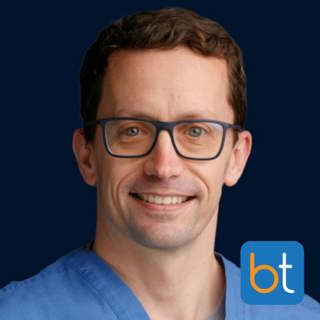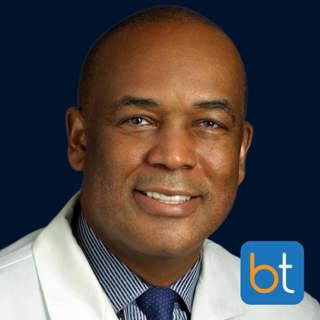
Ep. 402 Immunotherapy in HCC: Evolving Treatment Paradigms with Dr. Edward Kim and Dr. Terence Gade

Ep. 402 Immunotherapy in HCC: Evolving Treatment Paradigms with Dr. Edward Kim and Dr. Terence Gade

In this episode, Dr. Tyler Sandow (Ochsner Health) interviews interventional radiologists Dr. Edward Kim (Mount Sinai) and Dr. Terence Gade (University of Pennsylvania) about the future directions of hepatocellular carcinoma (HCC) treatments, specifically focusing on the adoption of precision medicine and multidisciplinary approaches. They delve into various HCC treatments, such as locoregional therapies like transarterial chemoembolization (TACE) and transarterial radioembolization (TARE), as well as the roles of systemic immunotherapies and checkpoint inhibitors. They highlight the importance of sequential order and timing of treatments and the use of imaging biomarkers for individualized cancer care. Throughout the discussion, influential clinical trials in HCC treatment are discussed and summarized. The doctors unanimously agree that as the sphere of interventional oncology is rapidly evolving, the focus should be centered on providing the most effective and patient-specific care with a deep understanding of combination therapies. --- CHECK OUT OUR SPONSOR AstraZeneca https://www.astrazeneca-us.com/ --- SHOW NOTES 00:00 - Introduction 05:45 - The Beginnings of Systemic Therapy for HCC 08:28 - The Role of Immunotherapy in HCC Treatment 11:09 - Multidisciplinary Clinics and Tumor Boards 20:21 - The Society of Interventional Oncology and Treatment Guidelines 24.59 - Choosing Between Locoregional and Combination Therapies 39:17 - The Use of Immunotherapy in Early Stage Patients 42:08 - Current Safety Data for Immunotherapy 48.56 - TACE Drug Choice 53:16 - How to Approach Treatment of Multifocal or Large Tumors 01:00 - Timeline for Imaging to Assess Treatment Response 01:03 - The Future of Immunotherapy and Interventional Oncology --- RESOURCES Society of Interventional Oncology (SIO): https://www.sio-central.org/ Sorafenib in Advanced Hepatocellular Carcinoma (SHARP Trial) https://www.nejm.org/doi/full/10.1056/nejmoa0708857 Efficacy and Safety of Sorafenib in Patients in the Asia-Pacific region with Advanced Hepatocellular Carcinoma: https://pubmed.ncbi.nlm.nih.gov/19095497/ Efficacy and Safety of Nivolumab Plus Ipilimumab in Patients With Advanced Hepatocellular Carcinoma Previously Treated With Sorafenib (CheckMate 040 Trial): https://jamanetwork.com/journals/jamaoncology/fullarticle/2771012 Tremelimumab and Durvalumab as First-line Therapy in Patients with Unresectable Hepatocellular Carcinoma (HIMALAYA Trial): https://ascopubs.org/doi/10.1200/JCO.2022.40.4_suppl.379 Atezolizumab plus Bevacizumab in Unresectable Hepatocellular Carcinoma (IMbrave 150 Trial): https://www.nejm.org/doi/full/10.1056/nejmoa1915745 Lenvatinib Combined With Transarterial Chemoembolization as First-Line Treatment for Advanced Hepatocellular Carcinoma (LAUNCH Trial): https://ascopubs.org/doi/abs/10.1200/JCO.22.00392 Randomised, Multicentre Prospective Trial of Transarterial Chemoembolisation Plus Sorafenib as Compared with TACE Alone in Patients with Hepatocellular Carcinoma (TACTICS Trial): https://pubmed.ncbi.nlm.nih.gov/31801872/ Uncoupling Immune Trajectories of Response and Adverse Events from Anti-PD-1 Immunotherapy in Hepatocellular Carcinoma: https://pubmed.ncbi.nlm.nih.gov/35430299/ Personalised Versus Standard Dosimetry Approach of Selective Internal Radiation Therapy in Patients with Locally Advanced Hepatocellular Carcinoma (DOSISPHERE-01 Trial): https://pubmed.ncbi.nlm.nih.gov/33166497/ Radiation Segmentectomy for Curative Intent of Unresectable Very Early to Early Stage Hepatocellular Carcinoma (RASER Trial): https://www.thelancet.com/journals/langas/article/PIIS2468-1253(22)00091-7/fulltext Immunotherapy and Transarterial Radioembolization Combination Treatment for Advanced Hepatocellular Carcinoma: https://journals.lww.com/ajg/abstract/2023/12000/immunotherapy_and_transarterial_radioembolization.23.aspx Find this episode on BackTable.com to see additional resources.

Jaksot(613)

Ep. 600 Exploring Artificial Intelligence Utility in Endovascular Procedures with Dr. Emil Cohen

Ep. 600 Exploring Artificial Intelligence Utility in Endovascular Procedures with Dr. Emil Cohen

OpenEvidence was founded in 2022. In just 3 short years, it has become a household name amongst aspiring and established healthcare providers. AI-based tools are now being used to augment workflows, improve productivity, streamline busy work, and assist with clinical decision making. Is AI coming for our jobs? Time will tell. But in the meantime, you can (and probably should) use it to enhance yours. In this episode of BackTable, computer scientist and interventional radiologist Dr. Emil Cohen joins Dr. Chris Beck to share how he’s integrated AI tools into his IR practice. --- SYNPOSIS Dr. Cohen and Dr. Beck discuss both the advantages and key limitations of AI resources and tools like OpenEvidence and ChatGPT. They also explore application of AI in daily workflows, structured reports, procedural guidance, and predicting outcomes. Dr. Cohen dives into integrating AI to solve clinical problems and enhance existing technology, such as maskless subtraction angiography and rotational cone beam CT. Finally, Dr. Cohen speaks on the claim of AI replacing interventional radiology, informing those that are nervous about artificial intelligence. --- TIMESTAMPS 00:00 - Introduction05:09 - Computer Science and Medicine09:37 - AI Fundamentals for IRs17:59 - Practical Applications of AI in IR28:14 - The Value and Risks of Patient Data31:22 - Developing Advanced Imaging Techniques34:16 - Maskless Subtraction Angiography40:29 - AI in Clinical Problem Solving45:55 - The Future of AI in IR49:51 - Getting Involved with AI and Volunteering53:01 - Final Thoughts and Resources --- RESOURCES No Mask Subtraction with AI:https://www.smartangio.com/bone_subtraction/

23 Joulu 57min

Ep. 599 Lung Ablation: Techniques, Challenges, & Best Practices with Dr. Alan Lee, Dr. Scott Oh, and Dr. Rob Suh

Ep. 599 Lung Ablation: Techniques, Challenges, & Best Practices with Dr. Alan Lee, Dr. Scott Oh, and Dr. Rob Suh

Collaboration between interventional radiology and radiation oncology has enabled high-dose brachytherapy in central lung lesions that were previously untreatable. This episode of the 2025 NSCLC Creator Weekend™ series offers a deep dive into recent advancements in lung ablation and brachytherapy techniques for primary lung cancer. --- This podcast is supported by an educational grant from Johnson & Johnson and Varian. --- SYNPOSIS Key discussion points include ablation zone sizes, confirmation methods for effective treatment, and the integration of different modalities such as microwave and cryoablation. Our tumor board panel also explores the practical and logistic challenges of implementing high-dose brachytherapy, especially for central lesions, and its role in palliative care. Despite the intricate processes and potential complications like pneumothorax, these methods show promising local control rates and provide crucial options for non-operative candidates. --- TIMESTAMPS 00:00 - Introduction and Overview of Lung Ablation07:01 - Microwave Ablation and Ground Glass Attenuation17:53 - Artificial Pneumothorax Techniques27:09 - Technical Aspects and Innovations32:35 - Bronchial Brachytherapy Techniques37:47 - Conclusion and Credits --- RESOURCES 2021 Central Lesion Studyhttps://pmc.ncbi.nlm.nih.gov/articles/PMC8186067/

19 Joulu 39min

 Ep. 598 Genicular Artery Embolization: Insights & Techniques with Dr. Rachel Piechowiak and Dr. Faraz Khan

Ep. 598 Genicular Artery Embolization: Insights & Techniques with Dr. Rachel Piechowiak and Dr. Faraz Khan

How is genicular artery embolization reshaping our clinical approach to patients with chronic knee pain? Dr. Rachel Piechowiak and Dr. Faraz Khan, interventional radiologists at IR Centers join Dr. Don Garbett in a deep dive into the current state of Genicular Artery Embolization (GAE). --- SYNPOSIS Dr. Piechowiak and Dr. Khan provide a deep dive on the technical nuances of GAE, covering patient selection, access strategies, and key procedural techniques. The conversation also details complex case scenarios and how to tailor catheters and embolics to navigate challenging anatomy. The doctors then share their structured approach to post-procedure follow-up, underscoring the importance of setting realistic treatment expectations with patients. The episode closes with their perspective on the future of genicular artery embolization, emphasizing the need for robust long-term outcomes data to better define the role of GAE in chronic knee pain management. --- TIMESTAMPS 00:00 - Introduction05:54 - Patient Workup for GAE10:42 - Setting Patient Expectations for GAE16:24 - Procedure Approaches and Techniques30:41 - Understanding Artery Targeting Strategies34:56 - Approaches to Microcatheter Selection38:18 - Choosing the Right Embolic Agents47:43 - Managing Complications and Follow-Ups51:23 - Challenges with Post-TKA Patients54:16 - Future Directions

16 Joulu 57min

Ep. 597 Ablative Treatments & Radiotherapy: The Latest in Lung Cancer Treatment with Dr. Alan Lee, Dr. Scott Oh, and Dr. Rob Suh

Ep. 597 Ablative Treatments & Radiotherapy: The Latest in Lung Cancer Treatment with Dr. Alan Lee, Dr. Scott Oh, and Dr. Rob Suh

Why might the standard RECIST criteria fail to accurately track success after tumor ablation, and what should you look for instead? In the 4th installment of the 2025 NSCLC Creator Weekend™ series, hosts Drs. Scott Genshaft and Kavi Krishnasamy are joined by specialists from UCLA and USC to discuss and debate advanced treatment options for primary lung cancer. --- This podcast is supported by an educational grant from Johnson & Johnson and Varian. --- SYNPOSIS The panel, including interventional radiologists, pulmonologists, and a radiation oncologist, discusses the intricacies of photon versus proton therapies, the physics behind radiation treatment, and the evolving landscape of ablation technologies. The conversation covers the efficacy and limitations of different treatments, patient selection criteria, and the role of newer technologies like electroporation and robotic-assisted bronchoscopy in enhancing precision and outcomes. Additionally, the panel addresses the practical challenges of intraprocedural imaging, the importance of adequate margins, and the complexities of managing local recurrences and radiation-induced toxicities. --- TIMESTAMPS 00:00 - Tumor Ablation and Recurrence Rates12:53 - Advancements in Ablation Technologies23:31 - Bronchoscopic Approaches in Lung Cancer Treatment38:46 - Challenges in Radiation Dose and Delivery49:21 - Ablation and Radiation Margins01:07:19 - Final Thoughts --- RESOURCES Thierry de Baere Paper on Ablation Margins https://pmc.ncbi.nlm.nih.gov/articles/PMC9815739/

12 Joulu 1h 9min

Ep. 596 Thrombin Injection for Pseudoaneurysms: Technique & Considerations with Dr. Gabriel Werder

Ep. 596 Thrombin Injection for Pseudoaneurysms: Technique & Considerations with Dr. Gabriel Werder

Pseudoaneurysms are among the most common complications of vascular access. Here’s a refresher on how to treat them with thrombin injection featuring interventional radiologist Dr. Gabriel Werder from Radiology Associates of Florida. Alongside host Dr. Chris Beck, Dr. Werder outlines both the clinical and procedural approach to thrombin injection for pseudoaneurysms. --- SYNPOSIS This episode covers best practices for thrombin injection procedures, including preferred needle positioning techniques, sedation protocols, ultrasound evaluation, and follow-up care. The physicians discuss recent evidence supporting needle placement at the center of the sac from an inferior approach, and share specific cases that highlight the utility of balloon-assisted thrombin injections. Dr. Werder provides a detailed walkthrough of his technique, including contralateral femoral access, balloon oversizing, and preferences for a post-procedural run-off angiogram. The episode also touches on complex pseudoaneurysms with multiple sacs and learnings from several other unique cases. --- TIMESTAMPS 00:00 - Introduction03:53 - Thrombin Injection Procedural Overview08:14 - Procedure Setup and Execution16:13 - Needle Positioning and Ultrasound Evaluation18:47 - Handling Complex Pseudoaneurysms19:20 - Balloon Occlusion Thrombin Injection19:59 - Case Studies and Practical Insights26:21 - Post-Procedure Care and Follow-Up29:17 - Final Thoughts and Reflections --- RESOURCES Kim et al. “Optimal thrombin injection method for the treatment of femoral artery pseudoaneurysm” - https://www.jthjournal.org/article/S1538-7836(24)00048-5/fulltext

9 Joulu 32min

Ep. 595 Lung Cancer Staging and Systemic Therapies: Recent Advancements with Dr. Karen Reckamp and Dr. Scott Atay

Ep. 595 Lung Cancer Staging and Systemic Therapies: Recent Advancements with Dr. Karen Reckamp and Dr. Scott Atay

How do leading oncologists interpret the abundance of molecular tests, genomic data, and biomarkers to create a lung cancer patient’s treatment plan? In this episode of the 2025 NSCLC Creator Weekend™ series, our tumor board discusses the complexities of lung cancer treatment, including new systemic therapies, lung cancer staging, and the role of molecular diagnostics and liquid biopsies. --- This podcast is supported by an educational grant from Johnson & Johnson and Varian. --- SYNPOSIS The panel, featuring specialists from various institutions, discusses the specifics of sequencing therapies, the impact of targeted and immunotherapies, and the nuances of treating different patient profiles, including non-smokers and those with specific genetic mutations. The conversation also touches on the integration of new staging systems, the benefits of multidisciplinary clinics, and the ongoing evolution of cancer treatment trials. The discussion aims to provide clarity on the latest advancements and future directions in managing lung cancer, emphasizing the importance of tailored treatment plans and the potential of emerging technologies. --- TIMESTAMPS 00:00 - Introduction05:16 - Molecular Diagnostics and Liquid Biopsy21:43 - Targeted Therapy Options27:29 - Managing Toxicities and Treatment Strategies33:13 - Challenges with Immunotherapy in Special Cases34:07 - Lung Transplantation in Cancer Patients48:38 - Multidisciplinary Clinics and Collaboration01:06:29 - Future Directions --- RESOURCES ADAURA Trialhttps://www.nejm.org/doi/full/10.1056/NEJMoa2027071 Gomez NSCLChttps://pmc.ncbi.nlm.nih.gov/articles/PMC5143183/

5 Joulu 1h 8min

Ep. 594 How New Guidelines are Shaping Acute DVT Management with Dr. Steven Abramowitz

Ep. 594 How New Guidelines are Shaping Acute DVT Management with Dr. Steven Abramowitz

Are you up to date with the latest guidelines on deep venous thrombosis (DVT) management? Dr. Steven Abramowitz, vascular surgeon at MedStar Health, joins host Dr. Chris Beck for a deep dive into emerging clinical data in DVT management, where they review the evolving indications for mechanical thrombectomy and the implications of studies like the ATTRACT trial, the CLOUT registry, and the ongoing DEFIANCE trial. --- This podcast is supported by: Inari Medicalhttps://www.inarimedical.com/ --- SYNPOSIS Dr. Abramowitz reviews recent data comparing outcomes of mechanical intervention versus lytic-based therapy, outlining how each approach fits into current practice. He underscores the critical role of IVUS in determining treatment endpoints, while noting the ongoing challenge of an absent standardized definition. The conversation also offers practical insights on procedural techniques and the evolving role of anticoagulation, emphasizing the importance of close collaboration and open communication with referring physicians. --- TIMESTAMPS 00:00 - Introduction00:45 - Overview of DVT Management02:50 - New Guidelines for DVT Treatment07:30 - Technical Endpoints in DVT Treatment13:26 - Clout Registry and Its Findings17:57 - Anticoagulation and DVT23:05 - Defining Acute DVT Management27:00 - Evolving Approaches to Acute DVT28:19 - Patient Experience and Quality of Life31:08 - Referring Providers and Data Impact37:01 - Single Session Treatments and Stenting41:07 - Chronic Venous Disease Management --- RESOURCES (ATTRACT) Weinberg I, Vedantham S, Salter A, et al. Relationships between the use of pharmacomechanical catheter-directed thrombolysis, sonographic findings, and clinical outcomes in patients with acute proximal DVT: Results from the ATTRACT Multicenter Randomized Trial. Vasc Med. 2019;24(5):442-451. doi:10.1177/1358863X19862043https://pubmed.ncbi.nlm.nih.gov/31354089/ (CLOUT) Shaikh A, Zybulewski A, Paulisin J, et al. Six-Month Outcomes of Mechanical Thrombectomy for Treating Deep Vein Thrombosis: Analysis from the 500-Patient CLOUT Registry. Cardiovasc Intervent Radiol. 2023;46(11):1571-1580. doi:10.1007/s00270-023-03509-8https://pubmed.ncbi.nlm.nih.gov/37580422/ (DEFIANCE) Abramowitz SD, Marko X, D'Souza D, et al. Rationale and design of the DEFIANCE study: A randomized controlled trial of mechanical thrombectomy versus anticoagulation alone for iliofemoral deep vein thrombosis. Am Heart J. 2025;281:92-102. doi:10.1016/j.ahj.2024.10.016https://pubmed.ncbi.nlm.nih.gov/39491572/

2 Joulu 46min

Ep. 593 Evaluating IR Programs: A Residency Applicant's Guide with Dr. Neil Jain

Ep. 593 Evaluating IR Programs: A Residency Applicant's Guide with Dr. Neil Jain

What should you know before applying to an interventional radiology residency program? Get 70 minutes of free advice in this week's episode of BackTable featuring Georgetown IR fellow Dr. Neil Jain and host Dr. Chris Beck, covering everything from building your IR resume to crushing your interviews. SYNPOSIS The conversation starts by covering the essential steps that medical students can take to build their resume prior to the application cycle, including involvement in the medical student sections of SIR, CIRSE, and local symposiums. Dr. Jain highlights the importance of mentorship and research, strategies for obtaining strong letters of recommendation, and effectively navigating both home and away rotations. The discussion also extends to interview preparation, program selection, signaling updates, and the rank list construction. The episode also touches on the SOAP process for unmatched applicants and the avenues to secure a match. Importantly, Dr. Jain emphasizes the significance of fit over prestige and finding a program that aligns with your values and professional goals. --- TIMESTAMPS 00:00 - Introduction03:07 - Building Your Resume for IR10:43 - Away Rotations and Letters of Recommendation 23:54 - Personal Statements: Importance and Tips30:07 - Application Strategies: IR and DR Programs41:48 - Utilizing Signaling in the Application Process44:19 - Evaluating Programs During Interviews49:58 - Letters of Interest and Intent54:33 - The Interview Day Experience01:04:47 - Building Your Rank List01:08:56 - The SOAP Process01:12:50 - Final Advice and Closing Remarks --- RESOURCES 2025 NRMP Match Data https://www.nrmp.org/wp-content/uploads/2025/03/Advance_Data_Tables_2025.pdfSociety of Interventional Radiology Trainee Websitehttps://www.sirweb.org/in-training/ VI 372 - IR Pathways Unveiled: Matching, Training & Beyond https://www.backtable.com/shows/vi/podcasts/372/ir-pathways-unveiled-matching-training-beyond VI 554: Optimizing the IR/DR Curriculum & Experiencehttps://www.backtable.com/shows/vi/podcasts/554/optimizing-the-ir-dr-curriculum-experience

28 Marras 1h 15min

Suosittua kategoriassa Koulutus

rss-murhan-anatomia
psykopodiaa-podcast
voi-hyvin-meditaatiot-2
rss-liian-kuuma-peruna
adhd-podi
aamukahvilla
jari-sarasvuo-podcast
psykologia
rss-narsisti
rss-uskonto-on-tylsaa
rss-tule-tule-hyva-ero
rss-finnish-with-eemeli-podcast
rss-luonnollinen-synnytys-podcast
rss-koira-haudattuna
rss-niinku-asia-on
ihminen-tavattavissa-tommy-hellsten-instituutti
rss-vapaudu-voimaasi
rss-keskeneraiset-aidit
salainen-paivakirja
rss-tripsteri