
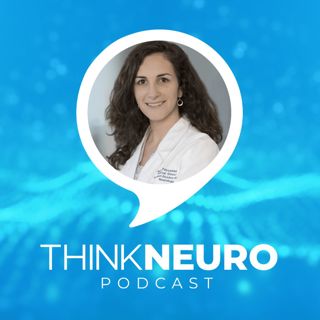
74. Understanding the Full Spectrum of Parkinson's Disease with Melita Petrossian, MD
Parkinson’s disease is a neurologic movement disorder. It affects the brain and causes difficulty with movement, with the most common motor symptoms being tremors, stiffness or rigidity of muscles, an...
15 Huhti 56min
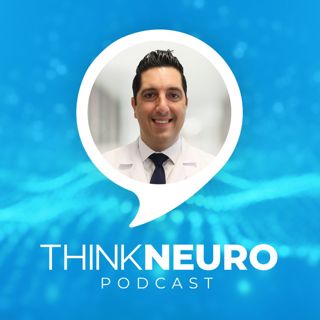
Spotlight Replay: 34. Treating the Wonder that is the Voice Box | Dr. Omid Mehdizadeh
Two slender muscles carry out some of the most important—and taken-for-granted—tasks in our lives. These muscles make up what we have come to call our “voice box,” and they not only produce the sounds...
8 Huhti 50min
Spotlight Replay: Episode 50. Loneliness, a Panel Discussion: Drs. Shanthi Gowrinathan, Amit Kochhar and Courtney Voelker
Survey after survey is telling us that Americans are increasingly feeling lonely. It’s a trend that’s been growing for years and, while it was exacerbated during the pandemic when we were instructed t...
1 Huhti 45min
Meet Dr. Noa Tal
Fellowship trained, Noa Tal, MD, is a devoted endocrinologist committed to delivering exceptional care and striving for excellence in her field. With a diverse background encompassing medicine, resear...
25 Maalis 2min
73. Treating the Whole Patient, Not Just the Cancer
When someone is diagnosed with a brain tumor, their world can shift overnight, bringing challenges that reach far beyond the medical diagnosis. A tumor is, first and foremost and most obviously, a hea...
18 Maalis 40min
Spotlight Replay: 48. Charting the Brain, in Great Detail | Dr. Garni Barkhoudarian & Josh Emerson
The doctors at Pacific Neuroscience Institute believe strongly in educating other neurosurgeons in the latest techniques for minimally invasive surgery. PNI’s Pacific Rim Master Class in Endoscopic En...
11 Maalis 45min
Spotlight Replay: 37. Treating Essential Tremor, a Little-Known but Prevalent Disease | Dr. Melita Petrossian
March is Essential Tremor Awareness Month. Essential tremor is one of the most common movement disorders, affecting millions of people around the world. In this Spotlight Replay, we return to the epis...
4 Maalis 1h 1min
Treating Spinal Deformities with Marcus Mazur, MD
Spinal deformity refers to abnormal curvatures of the spine, such as scoliosis, lordosis, and kyphosis. These conditions can arise from genetic defects, injuries, diseases like osteoporosis or arthrit...
25 Helmi 1min