Laurel Wilt Disease: Something we all need to be aware of

Laurel Wilt Disease: Something we all need to be aware of

Laurel wilt disease is a disease caused by an introduced beetle and fungus. This disease is deadly to members of the Laurel family which includes redbay, sassafras, and spicebush. Laurel wilt disease also kills avocados, which aren't native to the eastern U.S., but are in the Laurel family and are an important agricultural crop. As of spring 2021, laurel wilt disease has been found in 11 states in the eastern U.S. with the potential to spread to much further – even down into Mexico and Central America.

In this episode of the Backyard Ecology podcast, we talk with Alexandra Blevins about laurel wilt disease. Alexandra is the Forest Health Specialist with the Kentucky Division of Forestry and has been monitoring laurel wilt disease in Kentucky. This isn't a topic that any of us really want to discuss, but it is an important one and one that we all need to be aware of.

In our conversation, Alexandra and I discuss the relationship between the redbay ambrosia beetle and the fungus that it carries. It is the fungus that causes laurel wilt disease. We also discuss how the disease kills the trees, what to look for in order to know if your trees have been infected, and what to do if you think you've found it. In addition, Alexandra shares with us some of the current research related to laurel wilt disease treatment and management. Unfortunately, as of this recording, there are no approved treatment options or "cures" for laurel wilt disease in sassafras and spicebush.

As much as this could be a complete doom and gloom story, there is also a small ray of potential hope. The primary way that laurel wilt disease is spreading is from humans moving wood products which contain the beetle larva and the fungus. If we are the primary cause of the spread of the disease, then we also hold the key to stopping it, or at least greatly slowing its spread. One of the primary ways that we can keep from spreading the disease is to not move wood products such as firewood, smoking / grilling wood, uncured lumber, etc. Not only will that reduce the risk of spreading laurel wilt disease, but it will also reduce the risk of spreading lots of other introduced diseases and pests.

Links:

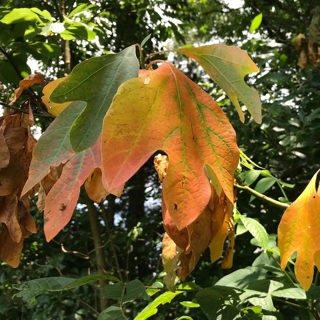
Episode image:

  • Tell-tale signs of laurel wilt disease in a sassafras tree
  • Photo credit: Alexandra Blevins, all rights reserved

Jaksot(115)

More than just a forest: Our surprisingly diverse eastern ecosystems

More than just a forest: Our surprisingly diverse eastern ecosystems

Summary The general impression that many people have is that prior to European settlement the whole eastern U.S. was one giant old growth forest. But that wasn't the case. Using an interdisciplinary a...

18 Helmi 21min
How to Be Successful with Your Habitat Goals

How to Be Successful with Your Habitat Goals

Summary When it comes to creating habitat, having a written set of goals can be extremely helpful in moving a task from the "I'll get to it someday" category to the "I'm actually going to get this don...

8 Tammi 10min
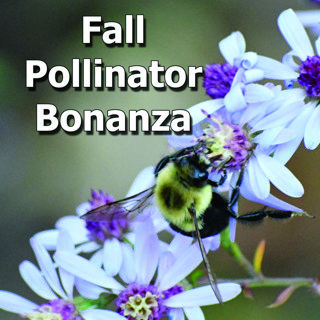
Short's aster: A beautiful late season extravaganza for pollinators

Short's aster: A beautiful late season extravaganza for pollinators

Summary Late blooming native plants are crucial sources of pollen and nectar for pollinators. One of my favorite species that blooms in October, and often into early November, is Short's aster (Symphy...

23 Loka 20257min
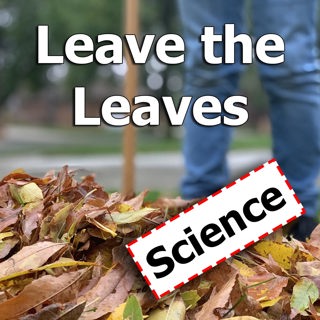
The Science Behind "Leave the Leaves"

The Science Behind "Leave the Leaves"

Summary "Leave the leaves" has become an increasingly common mantra each fall. However, until recently little to no scientific research had been done to quantify impacts of leaving your leaves in a ty...

9 Loka 202547min
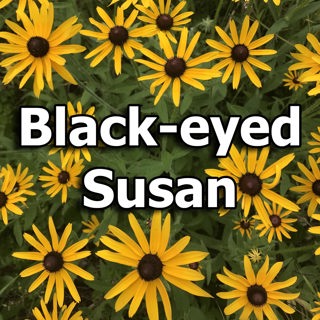
Black-eyed Susan: A must-have for the pollinator garden

Black-eyed Susan: A must-have for the pollinator garden

Summary Black-eyed Susan (Rudbeckia hirta) is a beautiful native plant that can be found throughout most of the eastern U.S. and makes a great addition to pollinator and native plant gardens. It can g...

25 Syys 20259min
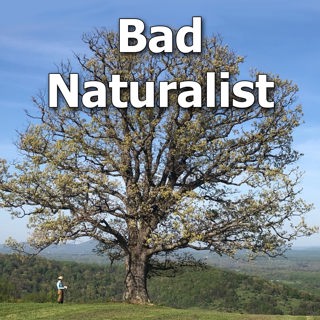
A Bad Naturalist's Journey to Restore a Mountaintop Meadow

A Bad Naturalist's Journey to Restore a Mountaintop Meadow

Summary Paula Whyman shares her journey of trying to restore and manage a remnant prairie located on a Virginia mountaintop. Our conversation touches upon some of the challenges she faced, lessons she...

11 Syys 20251h 22min
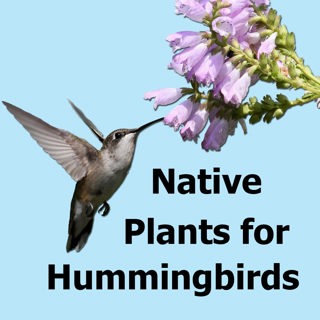
Native Plants That Attract Hummingbirds to Eastern U.S. Gardens

Native Plants That Attract Hummingbirds to Eastern U.S. Gardens

Summary Hummingbirds are probably one of the most beloved groups of birds that people want to attract to their yards. In this episode, I share 10 of my favorite native plants for attracting hummingbir...

28 Elo 202513min
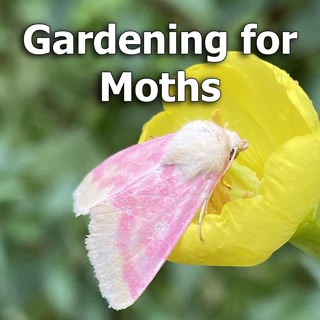
Gardening for Moths: Why It's Important for Backyard Conservation

Gardening for Moths: Why It's Important for Backyard Conservation

Summary In this episode, we focus on the fascinating world of moths and why gardening for moths is so im-portant for any backyard ecologist. We also talk about specific native plants grow to attract m...

7 Elo 20251h 11min

Suosittua kategoriassa Tiede

tiedekulma-podcast
rss-mita-tulisi-tietaa
rss-poliisin-mieli
utelias-mieli
rss-duodecim-lehti
rss-metsantuntijat-podcast
mielipaivakirja
filocast-filosofian-perusteet
rss-astetta-parempi-elama-podcast
rss-luontopodi-samuel-glassar-tutkii-luonnon-ihmeita
university-of-eastern-finland
docemilia
menologeja-tutkimusmatka-vaihdevuosiin
rss-bios-podcast
rss-tiedetta-vai-tarinaa
rss-ylistys-elaimille
rss-lapsuuden-rakentajat-podcast
rss-sosiopodi
rss-miljonaarien-tasavalta