Native and Non-native Earthworms in the Eastern U.S. with Mac Callaham
Backyard Ecology™31 Joulu 2020

Native and Non-native Earthworms in the Eastern U.S. with Mac Callaham

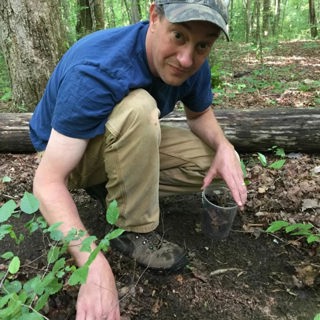
Hi Everyone! Today we are talking with Mac Callaham who is a Research Ecologist with the Southern Research Station of the U.S. Forest Service. Mac's focus is on invasive species, with a specialty in soil animals, especially earthworms.

Like many people, I grew up thinking that earthworms were a good thing and a natural part of our ecosystem. However, that's not completely true. In North America, many of our earthworms were wiped out during the Ice Age either directly from the glaciers or because the ground, even quite a distance out from the glaciers, was frozen.

We still have some native earthworms in the Pacific Northwest and parts of the southeast, but we also have quite a few non-native species of earthworms. Some of these non-native earthworm species have probably been here since the early European colonists arrived and brought their plants with them. Other species are much newer arrivals – some being discovered for the first time within the last few years.

The impacts of these non-native earthworms depends on where they are found. In more northern parts of the continent, the effects of the non-native earthworms can be devastating to the ecosystem. This is because the local ecosystem existed for so long without earthworms in it. However, in areas where there were native earthworms, the impacts are often not quite so drastic, but that doesn't mean there are no impacts.

In many areas of the southeast, non-native earthworms are much more common than native species. Yet, even though the species composition has changed, we aren't always seeing the same sort of dramatic impacts that are being seen further north. Part of that could be because those species have been in the southeast longer and part of it is likely that those species of non-native earthworms are doing some of the same things as the native earthworms in this area. However, some of the more recently discovered species of non-native earthworms can have quite drastic effects, even in the southeast, because their feeding behaviors are very different from the native species.

Throughout this episode, Mac and I talk about the different types of earthworms, their impacts in various parts of the region, how much we don't know, and how there really isn't a simple, black and white answer when it comes to earthworms. Yes, non-native earthworms can have serious, negative impacts on the natural ecosystem, especially in parts of the continent. But in other areas, earthworms, even non-native species, can help soil health, especially in southern regions that have been highly impacted through long-term agricultural use. This is a complicated topic and we talk about some of those complications, including things that we as homeowners can do.

Links:

Photo credit: Yuanyuan Li

Jaksot(115)

More than just a forest: Our surprisingly diverse eastern ecosystems

More than just a forest: Our surprisingly diverse eastern ecosystems

Summary The general impression that many people have is that prior to European settlement the whole eastern U.S. was one giant old growth forest. But that wasn't the case. Using an interdisciplinary a...

18 Helmi 21min
How to Be Successful with Your Habitat Goals

How to Be Successful with Your Habitat Goals

Summary When it comes to creating habitat, having a written set of goals can be extremely helpful in moving a task from the "I'll get to it someday" category to the "I'm actually going to get this don...

8 Tammi 10min
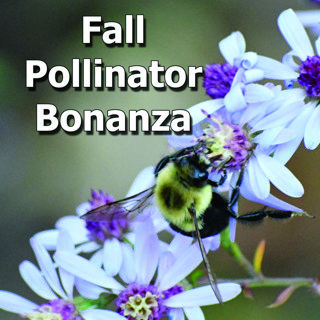
Short's aster: A beautiful late season extravaganza for pollinators

Short's aster: A beautiful late season extravaganza for pollinators

Summary Late blooming native plants are crucial sources of pollen and nectar for pollinators. One of my favorite species that blooms in October, and often into early November, is Short's aster (Symphy...

23 Loka 20257min
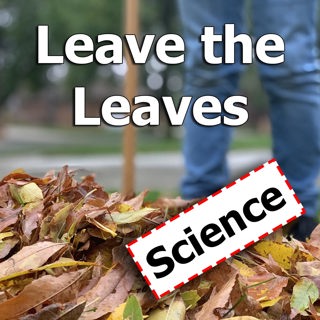
The Science Behind "Leave the Leaves"

The Science Behind "Leave the Leaves"

Summary "Leave the leaves" has become an increasingly common mantra each fall. However, until recently little to no scientific research had been done to quantify impacts of leaving your leaves in a ty...

9 Loka 202547min
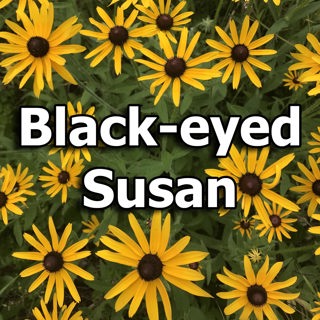
Black-eyed Susan: A must-have for the pollinator garden

Black-eyed Susan: A must-have for the pollinator garden

Summary Black-eyed Susan (Rudbeckia hirta) is a beautiful native plant that can be found throughout most of the eastern U.S. and makes a great addition to pollinator and native plant gardens. It can g...

25 Syys 20259min
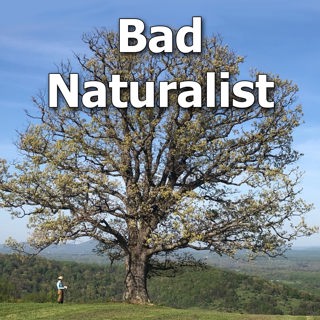
A Bad Naturalist's Journey to Restore a Mountaintop Meadow

A Bad Naturalist's Journey to Restore a Mountaintop Meadow

Summary Paula Whyman shares her journey of trying to restore and manage a remnant prairie located on a Virginia mountaintop. Our conversation touches upon some of the challenges she faced, lessons she...

11 Syys 20251h 22min
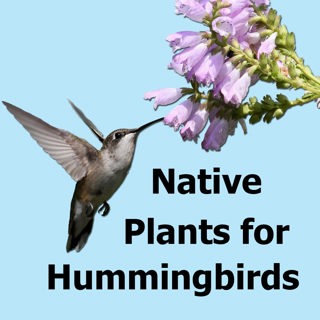
Native Plants That Attract Hummingbirds to Eastern U.S. Gardens

Native Plants That Attract Hummingbirds to Eastern U.S. Gardens

Summary Hummingbirds are probably one of the most beloved groups of birds that people want to attract to their yards. In this episode, I share 10 of my favorite native plants for attracting hummingbir...

28 Elo 202513min
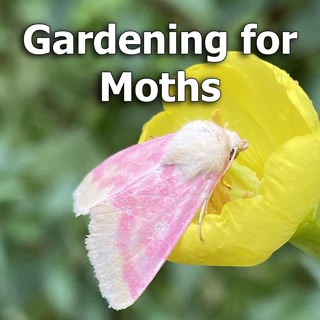
Gardening for Moths: Why It's Important for Backyard Conservation

Gardening for Moths: Why It's Important for Backyard Conservation

Summary In this episode, we focus on the fascinating world of moths and why gardening for moths is so im-portant for any backyard ecologist. We also talk about specific native plants grow to attract m...

7 Elo 20251h 11min

Suosittua kategoriassa Tiede

tiedekulma-podcast
rss-mita-tulisi-tietaa
rss-poliisin-mieli
utelias-mieli
rss-duodecim-lehti
rss-metsantuntijat-podcast
mielipaivakirja
filocast-filosofian-perusteet
rss-astetta-parempi-elama-podcast
rss-luontopodi-samuel-glassar-tutkii-luonnon-ihmeita
university-of-eastern-finland
docemilia
menologeja-tutkimusmatka-vaihdevuosiin
rss-bios-podcast
rss-tiedetta-vai-tarinaa
rss-ylistys-elaimille
rss-lapsuuden-rakentajat-podcast
rss-sosiopodi
rss-miljonaarien-tasavalta