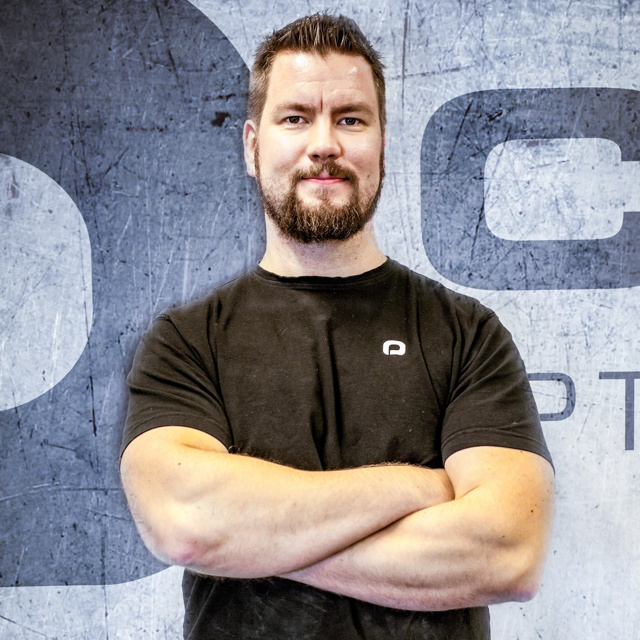
#287 - Male Hormones and Men’s Health | Dr. Jesse Mills + Mike Haney
In this episode, Dr. Jesse Mills, Director of the UCLA Men’s Clinic, joins Mike Haney to explain what’s driving that shift and what today’s data-driven approach to men’s health looks like.He breaks down the testosterone “revolution,” what’s really happening in low-T diagnoses, and how lifestyle, sleep, and stress management can influence hormones as much as prescriptions can.They discuss: - How men’s health became its own medical discipline- What testosterone really does—and how to know if it’s low- Primary vs. secondary hypogonadism and how to tell the difference- When testosterone replacement is appropriate (and when it’s not)- Why younger men are now embracing prevention and optimizationAnd listen to Dr. Mills’ new podcast, The Male Room with Dr. Jesse Mills, wherever you get your podcasts.Sign Up to Get Your Free Ultimate Guide to Glucose: https://levels.link/wnl🎙 What Dr. Jesse Mills & Mike Haney discuss:[2:10] — How men’s health became its own field[8:05] — The generational shift in openness[10:40] — The difference between real medicine and ‘men’s clinics’[12:00] — Testosterone 101[18:45] — When low testosterone is reversible[26:50] — Why we need ‘forensic endocrinology’Levels helps you see how food affects your health, empowering you with the tools needed to achieve health goals and improve healthspan. Levels Members gain access to the Levels app and continuous glucose monitors (CGMs), providing real-time feedback on how diet and lifestyle choices impact your metabolic health.Look for new shows every month on A Whole New Level, where we have in-depth conversations with thought leaders about metabolic health.🔗 Helpful links:Watch the conversation: https://youtu.be/Zs2CZC2GueAFind us on YouTube: https://youtube.com/levelshealth?sub_confirmation=1📲 Connect with Dr. Jesse Mills: https://x.com/grurology?lang=en
4 Joulu 1h 45min

#286 - Understanding electrolytes: Decoding blood & urine tests and focusing on the right things | Dr. Rich Joseph + Mike Haney
Your annual labs can reveal far more than most people realize—if you know how to interpret them. In this episode of A Whole New Level, Dr. Rich Joseph walks through how to read basic blood work like the CBC, electrolytes, and urinalysis, and how to use those numbers as feedback loops, not pass/fail judgments.He explains which values matter most, what trends reveal over time, and how to connect lab data to sleep, training, nutrition, and stress.What the Complete Blood Count (CBC) actually measuresHow to identify early signs of iron or B-vitamin deficiencyWhat white blood cell patterns reveal about immunity and stressHow electrolytes reflect cellular energy, hydration, and training loadWhy urinalysis is underrated (and how to read it quickly)How to use lab trends—not single snapshots—to guide health decisionsSign Up to Get Your Free Ultimate Guide to Glucose: https://levels.link/wnl🎙 What Dr. Rich Joesph & Mike Haney discuss:[03:12] — Why basic labs still matter[07:58] — How to read the CBC: Red blood cells, white blood cells, platelets[18:45] — MCV and what it tells us about iron vs. B-vitamin deficiency[24:40] — White blood cells as a window into stress and recovery[44:10] — Electrolytes and cellular energy[1:01:22] — Urinalysis: the overlooked lab with real value[1:09:55] — Using labs as feedback over timeLevels helps you see how food affects your health, empowering you with the tools needed to achieve health goals and improve healthspan. Levels Members gain access to the Levels app and continuous glucose monitors (CGMs), providing real-time feedback on how diet and lifestyle choices impact your metabolic health.Look for new shows every month on A Whole New Level, where we have in-depth conversations with thought leaders about metabolic health.🔗 Helpful links:Watch the conversation: https://youtu.be/cpwB4-_7o-wFind us on YouTube: https://youtube.com/levelshealth?sub_confirmation=1📲 Connect with Dr. Rich Joseph on LinkedIn: https://www.linkedin.com/in/rich-joseph-md-mba-61448b33a/
20 Marras 1h 4min

#285 - Immune health explained: Inflammation, white blood cells, and resilience | Dr. Sharon Bergquist & Mike Haney
Your immune system isn’t just about fighting infections—it’s a mirror of your overall metabolic health.In this episode of A Whole New Level, Dr. Sharon Bergquist, physician and Director of Emory’s Healthy Aging and Resilient Aging Center, joins Mike Haney to unpack the science of immune resilience—how chronic inflammation, white blood cell patterns, and metabolism intertwine to shape long-term health.Dr. Bergquist explains why inflammation isn’t always bad, how the immune system ages, and what you can do daily to build resilience.They discuss:The link between metabolic dysfunction and chronic low-grade inflammationHow white blood cell counts reveal immune status and stress levelsWhy gut and liver health are central to immune balancePractical habits that calm inflammation and support immune recoveryWhat it really means to have a “resilient” immune systemSign Up to Get Your Free Ultimate Guide to Glucose: https://levels.link/wnl🎙 What Dr. Sharon Bergquist & Mike Haney discuss:[3:24] — How inflammation protects—and harms—your body[10:11] — Why immune health depends on metabolism[17:42] — White blood cells as a window into immune function[24:38] — How the gut and liver shape immunity[32:27] — Why modern lifestyles fuel inflammation[40:55] — How to measure your own inflammation[48:33] — The science of immune aging (inflammaging)[56:22] — Building immune resilience through daily habits[1:03:44] — Why immune balance is better than immune ‘boosting’[1:11:08] — The hopeful message: immunity is adaptableLevels helps you see how food affects your health, empowering you with the tools needed to achieve health goals and improve healthspan. Levels Members gain access to the Levels app and continuous glucose monitors (CGMs), providing real-time feedback on how diet and lifestyle choices impact your metabolic health.Look for new shows every month on A Whole New Level, where we have in-depth conversations with thought leaders about metabolic health.🔗 Helpful links:Watch the conversation: https://youtu.be/k1XpdFGVx1oFind us on YouTube: https://youtube.com/levelshealth?sub_confirmation=1📲 Connect with Dr. Sharon Bergquist on LinkedIn: Dr. Sharon Horesh Bergquist Dr. Sharon Bergquist: https://drsharonbergquist.com/
6 Marras 1h 28min

#284 - Glucose metabolism explained: HbA1c, insulin resistance, and strategies for better energy | Dr. Ben Bikman & Mike Haney
If you want to improve your energy and long-term health, start by understanding how your body uses glucose.In this episode of A Whole New Level, Dr. Benjamin Bikman, scientist and author of Why We Get Sick, joins Mike Haney to unpack the science of glucose metabolism and insulin resistance—and why blood sugar isn’t the whole story.Dr. Bikman explains how insulin regulates energy balance, why HbA1c is only part of the picture, and how chronic high insulin can silently drive weight gain, fatigue, and metabolic disease. He also shares practical ways to lower insulin naturally through diet, exercise, and daily habits.They discuss:Why insulin, not glucose, is the root of metabolic dysfunctionWhat HbA1c and fasting glucose really tell youThe early signs of insulin resistance most people missHow muscle tissue protects against high glucose and insulinWhy low-carb and intermittent fasting aren’t one-size-fits-allPractical nutrition and movement strategies for better metabolic flexibilitySign Up to Get Your Free Ultimate Guide to Glucose: https://levels.link/wnl🎙 What Ben Bikman, PhD, & Mike Haney discuss:[3:42] — Why glucose isn’t the full story in metabolic health[7:58] — Insulin’s central role in energy and fat storage[13:10] — What HbA1c actually tells you—and what it misses[19:23] — The first signs of insulin resistance most people overlook[25:46] — Why muscle is a “glucose sink” that protects your metabolism[32:15] — How modern diets overload insulin, not just glucose[39:52] — The difference between being lean and being metabolically healthy[46:08] — Simple daily habits that lower insulin naturally[54:41] — Why “normal” lab ranges for insulin are misleading[1:02:17] — Practical steps to build metabolic flexibility and better energyLevels helps you see how food affects your health, empowering you with the tools needed to achieve health goals and improve healthspan. Levels Members gain access to the Levels app and continuous glucose monitors (CGMs), providing real-time feedback on how diet and lifestyle choices impact your metabolic health.Look for new shows every month on A Whole New Level, where we have in-depth conversations with thought leaders about metabolic health.🔗 Helpful links:Watch the conversation: https://youtu.be/2PROANAQkwAFind us on YouTube: https://youtube.com/levelshealth?sub_confirmation=1📲 Connect:Connect with Dr. Bikman on X: @BenBikmanPhDDr. Benjamin Bikman: https://benbikman.com/
23 Loka 1h 45min

#283 - Brain health explained: Insulin resistance, biomarkers, and Alzheimer’s risk | Dr. David Perlmutter & Mike Haney
Alzheimer’s and dementia aren’t just a matter of age or genetics. Increasing evidence shows that metabolic health—particularly insulin resistance—plays a key role in cognitive decline.In this episode of A Whole New Level, neurologist and bestselling author Dr. David Perlmutter joins Mike Haney to explore the links between brain health and metabolism. They discuss the role of insulin resistance and inflammation in Alzheimer’s disease, the biomarkers that can reveal risk decades before symptoms, and how lifestyle interventions can dramatically change your trajectory.Topics include:Key biomarkers for assessing brain health: fasting insulin, A1C, homocysteineWhy targeting inflammation may matter more than targeting amyloid plaquesThe promise and limitations of GLP-1 medications for dementia and Parkinson’sPractical steps you can take now to protect long-term cognitive functionSign Up to Get Your Free Ultimate Guide to Glucose: https://levels.link/wnl 🎙 What Dr. David Perlmutter & Mike Haney discuss:4:12 — Why Alzheimer’s is now called “Type 3 diabetes”9:45 — The role of inflammation in brain health15:22 — Biomarkers that predict dementia risk decades early22:31 — Why mainstream Alzheimer’s drugs fall short29:17 — GLP-1s and brain health36:44 — Lifestyle changes vs. pharmaceuticals44:19 — Why homocysteine matters53:02 — Sleep, circadian rhythm, and brain resilience1:02:38 — Early warning signs you shouldn’t ignore1:15:07 — The hopeful messageLevels helps you see how food affects your health, empowering you with the tools needed to achieve health goals and improve healthspan. Levels Members gain access to the Levels app and continuous glucose monitors (CGMs), providing real-time feedback on how diet and lifestyle choices impact your metabolic health.Look for new shows every month on A Whole New Level, where we have in-depth conversations with thought leaders about metabolic health.🔗 Helpful links:Watch the conversation: https://youtu.be/MV_9nyAN1VkFind us on YouTube: https://youtube.com/levelshealth?sub_confirmation=1📲 Connect:Dr. David Perlmutter on X: @DavidPerlmutterDavid Perlmutter, MD: https://drperlmutter.com/
9 Loka 1h 9min

#282 - Longevity biomarkers for healthy aging and well-being | Dr. Matt Kaeberlein & Mike Haney
Longevity is a hot health topic, but what factors move the needle on not only how long you live but how long you experience relatively good health? Some lab and other tests can help assess how healthy you’re aging and provide context for what lifestyle and other changes to make. Dr. Matt Kaeberlein and Mike Haney discuss the tests that help assess healthy aging, how mental health and physical health are intricately connected, which lifestyle factors might expand your health span, and where the research stands on various longevity topics.Get a Free Guide to Understanding Your Lab Results: https://levels.link/wnl 🎙 What Matt Kaeberlein, PhD, & Mike Haney discuss:6:57 — Lifespan vs. health span vs. sick span19:38 — Understanding sick span27:44 — Biomarkers and other tests to assess health span30:58 — The importance of emotional health for longevity35:49 — Cellular tests may not have value for the consumer yet42:24 — On mitochondrial function and telomere length50:34 — Investing in your health1:01:18 — Lifestyle changes can help make a big difference1:09:50 — High vs. low protein1:16:39 — When considering exercise, building muscle is crucial for longevity1:27:37 — The prescription drug rapamycin is not FDA-approved for longevityLevels helps you see how food affects your health, empowering you with the tools needed to achieve health goals and improve healthspan. Levels Members gain access to the Levels app and continuous glucose monitors (CGMs), providing real-time feedback on how diet and lifestyle choices impact your metabolic health.Look for new shows every month on A Whole New Level, where we have in-depth conversations with thought leaders about metabolic health.🔗 Helpful links:Watch the conversation: https://youtu.be/OPH5Nb2a69oSubscribe here on YouTube: https://youtube.com/levelshealth?sub_confirmation=1Find us on YouTube: https://youtube.com/levelshealth?sub_confirmation=1Matt Kaeberlein, PhD: https://www.optispan.life/matt-kaeberleinConnect with Matt Kaeberlein, PhD, on X: https://x.com/mkaeberlein
25 Syys 1h 50min

#281 - Thyroid test results explained and how the gland shapes health | Dr. Angela Mazza & Mike Haney
Your thyroid test results explained: The thyroid is a butterfly-shaped gland in your neck that affects many facets of health. When it doesn’t function optimally, symptoms can ensue. That’s where testing comes in, but the results can be tricky to interpret (and treat if necessary) without a knowledgeable clinician. Dr. Angela Mazza and Mike Haney discuss thyroid function, thyroid hormone and related tests and what they mean, treatment for thyroid conditions, the benefits of an integrative approach to thyroid care, and more.Get a Free Guide to Understanding Your Lab Results: https://levels.link/wnl 🎙 What Angela Mazza, DO, & Mike Haney discuss:2:44 — What is endocrinology?4:31 — What does the thyroid do?6:33 — Understanding hyperthyroidism10:08 — The “triangle” of autoimmune disease13:56 — Understanding hypothyroidism16:29 — Thyroid-stimulating hormone21:43 — Considering reverse T327:11 — Thyroid ultrasound37:32 – The importance of individualized thyroid replacement therapy40:53 — The thyroid gland and perimenopause42:49 — Misinformation about the thyroidLevels helps you see how food affects your health, empowering you with the tools needed to achieve health goals and improve healthspan. Levels Members gain access to the Levels app and continuous glucose monitors (CGMs), providing real-time feedback on how diet and lifestyle choices impact your metabolic health.Look for new shows every month on A Whole New Level, where we have in-depth conversations with thought leaders about metabolic health.🔗 Helpful links:Watch the conversation: https://youtu.be/HRNKRniVALkFind us on YouTube: https://youtube.com/levelshealth?sub_confirmation=1Angela Mazza, DO: https://www.metaboliccenterforwellness.com/Metabolic Center for Wellness: https://www.metaboliccenterforwellness.com/“Thyroid Talk: An Integrative Guide to Optimal Thyroid Health”: https://www.amazon.com/Thyroid-Talk-Integrative-Optimal-Health/Thyroid Talk community and training: https://www.thrivethyroid.com/Thyroid Talk podcast: https://www.metaboliccenterforwellness.com/copy-of-protocols-1Connect with Angela Mazza, DO, on Instagram: https:// https://www.instagram.com/metaboliccenterforwellness/
12 Syys 50min

#280 - How biosensors offer greater accessibility for our mission to reverse the metabolic health crisis | Dom D’Agostino, PhD, and Ben Grynol
Greater accessibility to glucose biosensors has led to their use to improve metabolic health, prevent disease, and feel better. Historically, these biosensors for monitoring glucose were only available with a prescription, often reserved for people with diabetes, but now with brands like Stelo, they are available over the counter. Dom D’Agostino, PhD, and Ben Grynol discuss how biosensors can be a tool for anyone to improve overall health, reduce risk for chronic diseases, manage women’s health including menstrual cycles and the menopause transition, help with fueling strategies for workouts and performance, prevent energy crashes, and more.Sign Up to Get Your Free Ultimate Guide to Glucose: https://levels.link/wnl🎙 What Dom D’Agostino, PhD, & Ben Grynol discuss:11:49 — Using technology to reduce your risk for health issues14:13 — Metabolic health is a spectrum, and many people don’t know where they stand25:25 — The importance of focusing on trends in your metabolic health30:05 — Glucose spikes from workouts are normal and a good sign34:13 — Glucose is one of the key biomarkers to track for longevity41:34 — Understanding what a glucose biosensor is56:17 — All calories are not created equal1:01:25 — Using a glucose biosensor for exercise fueling strategies1:04:00 — Using a glucose biosensor to monitor women’s health changes1:23:11 — The rate of glucose absorption matters for metabolic health and how you feel1:31:06 — Making healthy food the default, rather than ultra-processed foodsLevels helps you see how food affects your health, empowering you with the tools needed to achieve health goals and improve healthspan. Levels Members gain access to the Levels app and continuous glucose monitors (CGMs), providing real-time feedback on how diet and lifestyle choices impact your metabolic health.Look for new shows every month on A Whole New Level, where we have in-depth conversations with thought leaders about metabolic health.🔗 Helpful links:Watch the conversation: https://youtu.be/mrlnNhxKNgYFind us on YouTube: https://youtube.com/levelshealth?sub_confirmation=1Dominic D’Agostino, PhD: https://drdominicdagostino.com/Dominic D’Agostino, PhD, on X: https://x.com/DominicDAgosti2
28 Elo 1h 44min