Kava in Australia: Natural Calm or Silent Liver Damage?

Kava in Australia: Natural Calm or Silent Liver Damage?

Kava is everywhere… but is it silently damaging your patients’ livers?

Kava is now turning up in Australian pharmacies, health food stores and online — marketed as a “natural” fix for anxiety, stress and insomnia.

But behind the glossy labels lies a messy reality: wild dosing, limited clinical trials, and real-world reports of hepatotoxicity, drug interactions and impaired driving.

In this episode of Cracking Addiction, addiction medicine specialist Dr Ferghal Armstrong breaks down what most clinicians don’t know about kava — and what you need to start asking your patients today.

You’ll discover how a traditional Pacific Island ceremonial drink became a CNS depressant supplement with:

Huge dose discrepancies between traditional use (up to 8000 mg kavalactones) and commercial capsulesUnclear safety margins and a weak evidence base dominated by descriptive and traditional-use reports

Short- and long-term effects: muscle relaxation, drowsiness, dermatopathy, weight loss, GI disturbance, impotence and poor overall health

Serious drug interactions with benzodiazepines, alcohol, barbiturates, levodopa, anticonvulsants, MAOIs, antipsychotics and anticoagulants

Driving impairment data from real motor vehicle collisions in kava-using populations

Red-flag groups: young people, pregnant or breastfeeding women, and those with harmful use patterns

If you’re a GP, pharmacist, nurse, psychiatrist or allied health professional, this episode will help you:

Ask targeted questions about kava use in your consultations

Screen for concurrent CNS depressants and liver disease

Give clear, practical advice on driving, alcohol and daily functioning

Counsel patients with nuance instead of either fear or blind reassurance

You’ll walk away with a sharper lens on “natural” supplements, a better grasp of kava safety, and a framework to protect your patients from avoidable harm.

👉 Watch now to learn why kava is not a benign supplement — and what to do about it.

Don’t forget to like, subscribe, and share this episode with colleagues who are seeing more kava in their clinics.

Episoder(238)

Dopamine, Relapse, and Recovery: Why Addiction Needs Long-Term Management

Dopamine, Relapse, and Recovery: Why Addiction Needs Long-Term Management

A lot of people still think addiction recovery is just about willpower.But addiction neuroscience tells a different story: dopamine, the reward system, and relapse risk all help explain why recovery o...

25 Mar 5min
Why You Can Be Detoxed and Still Addicted

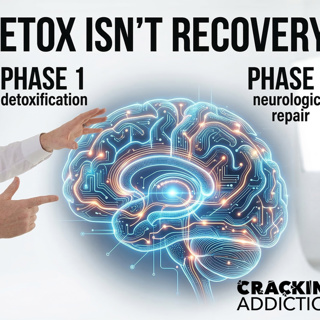
Why You Can Be Detoxed and Still Addicted

Addiction neuroscience, dopamine, cravings: detox ends withdrawal, but it does not end addiction.The MythA common myth in addiction recovery is that once detox is over, the problem is solved. Many peo...

18 Mar 5min
Relapse Happens to Everyone: Here's the Science Why - Addiction Basics 06

Relapse Happens to Everyone: Here's the Science Why - Addiction Basics 06

Dr. Fergal Armstrong reframes relapse in addiction, explaining why it's not a personal failure but a common part of the recovery journey, comparable to chronic illnesses. Understanding the neuroscienc...

11 Mar 5min
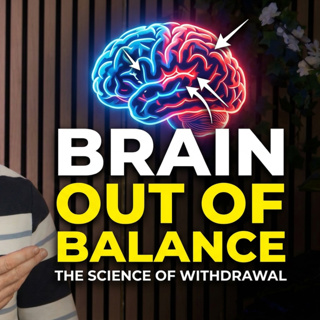
The Science of Withdrawal: What's Actually Happening? - Addiction Basics #5

The Science of Withdrawal: What's Actually Happening? - Addiction Basics #5

Withdrawal is one of the most feared parts of addiction recovery.But neuroscience shows something important:Withdrawal isn’t a failure of willpower — it’s the brain restoring balance after long-term c...

4 Mar 5min

Addiction vs Dependence vs Tolerance: The Critical Medical Difference

Addiction vs Dependence vs Tolerance: The Critical Medical Difference

🚨 TOLERANCE ≠ ADDICTION 🚨Most people — even healthcare professionals — use these terms incorrectly.And that confusion is hurting patients.In this episode, we break down:🧠 The real definition of add...

25 Feb 5min

Why Buprenorphine Is Safer Than Full Opioid Agonists

Why Buprenorphine Is Safer Than Full Opioid Agonists

Most people think methadone is the only real option for opioid addiction.Wrong.Buprenorphine — especially long-acting injectable depot — is flipping the entire system upside down.No daily pharmacy vis...

23 Feb 28min

How Cravings Work: Limbic System vs Prefrontal Cortex - Addiction Basics EP3

How Cravings Work: Limbic System vs Prefrontal Cortex - Addiction Basics EP3

Addiction neuroscience explains why wanting to quit isn’t the same as being able to quit. Dopamine reshapes the brain’s reward system.In Episode 3 of Addiction Basics, we tackle one of the most painfu...

18 Feb 6min
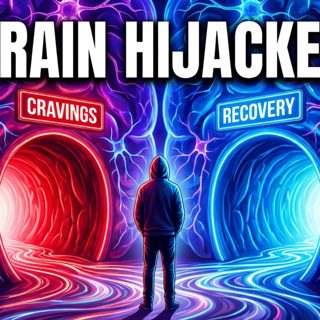
Dopamine and Addiction: The Science of Cravings - Addiction Basics EP2

Dopamine and Addiction: The Science of Cravings - Addiction Basics EP2

Addiction neuroscience explained. Dopamine, cravings, brain recovery, and neuroplasticity — backed by research.If you’ve ever wondered how addiction works in the brain, this is the science most people...

12 Feb 6min

Populært innen Helse

lydartikler-fra-aftenposten
fastlegen
hvordan-har-du-det-mann
rss-gukild-johaug
psykodrama
relasjonspodden-med-dora-thorhallsdottir-kjersti-idem
rss-garne-damer
leger-om-livet
foreldreradet
bak-fasaden-en-reise-i-livet-med-sykepleier-ine
morten-ramm-lar-kakla-ga-til-du-sovner
rss-lopedrommen
hormonelle-frida
klimaks
sinnsyn
g-punktet
rss-sunn-okonomi
hjernesterk
helsetipspodden
hverdagspsyken