Physical comorbidity in substance use disorder

Physical comorbidity in substance use disorder

In episode 36 of Cracking Addiction we discuss in detail some of the physical comorbidities associated with substance use disorders and what to screen for, be aware of and some management techniques.

People with substance use disorders often deal with many medical and physical issues that can impact both their quality of life but also increase the risks of morbidity and mortality. There are a number of medical and physical conditions that could be discussed but for the sake brevity this blog post will detail the following:

• Chronic pain

• Tobacco use

• Infectious diseases

• Chronic NSAID toxicity


Chronic pain

Chronic pain alters brain’s stress and reward systems and increases the risk for developing an opioid use disorder. It is thought that up to 30% of chronic pain patients misuse prescription opioids and this is becoming an increasingly problematic matter within society. Recent data and statistics reveal that prescription drug deaths in Victoria now exceed the road toll. The treatment and management of chronic non-cancer related pain is now moving away from a medication centred approach and indeed chronic opioid medication usage are associated with long-term harms within this group including increased risks of opioid induced hyperalgaesia, osteoporosis and hypothalamic pituitary gonadal axis dysfunction. The management of chronic non-cancer related pain now increasingly centres around active pain management strategies, physical therapy, allied health input and rehabilitation activities.


Tobacco use

Many patients with substance use disorders smoke tobacco and broaching smoking and tobacco cessation is important to improving the overall health and wellbeing of the patient. Oftentimes it appears other drugs and substances take priority of tobacco usage but tobacco usage is also associated with significant harms to the patient. It is important to discuss the harms of smoking with patients with substance use disorders and offer smoking cessation interventions. Tobacco usage is responsible for the majority of lung cancer and approximately one-third of all cancer related deaths. Tobacco use is also directly responsible for: cardiovascular disease, reduced immunity, poor wound healing, age related macular degeneration and worsening chronic pain.

Infectious diseases

Patients with substance use disorder are at increased risk of some infectious diseases and it is important to screen people appropriately. In particular people who inject drugs and share needles or who engage in commercial sex work to pay for drugs require screening for blood borne viruses and the latter group in particular will require a thorough sexually transmitted infection screen. Blood borne virus screening includes screening for Hepatitis B, C and HIV and STI screening includes screening for chlamydia, gonorrhoea and syphilis in the first instance.

People who inject drugs are also at risk of skin infections and abscesses as a result of injecting drug use and skin examination should be carried out periodically to exclude thrombophlebitis in veins, cellulitis and one should always consider the risks of infective endocarditis in the appropriate clinical scenario. It is important to be thorough and systematic in our physical examination of our patients and when ordering tests so as not to miss an important medical diagnosis.


Chronic NSAID toxicity

Codeine misuse and dependency associated with chronic non-steroidal anti-inflammatory drug (NSAID) toxicity. NSAIDS can ulceration of the gastrointestinal tract which can lead to bleeding and even perforation of the gastrointestinal tract in severe circumstances. Chronic NSAIDs usage can lead to iron deficiency with or without anaemia due to bleeding from the gastrointestinal tract. Chronic NSAID usage can also lead to recurrent metabolic acidosis and also cause significant renal impairment and lead to NSAID nephropathy...

Episoder(238)

Dopamine, Relapse, and Recovery: Why Addiction Needs Long-Term Management

Dopamine, Relapse, and Recovery: Why Addiction Needs Long-Term Management

A lot of people still think addiction recovery is just about willpower.But addiction neuroscience tells a different story: dopamine, the reward system, and relapse risk all help explain why recovery o...

25 Mar 5min
Why You Can Be Detoxed and Still Addicted

Why You Can Be Detoxed and Still Addicted

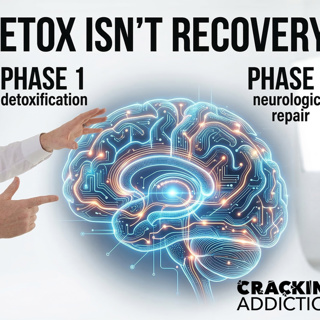
Addiction neuroscience, dopamine, cravings: detox ends withdrawal, but it does not end addiction.The MythA common myth in addiction recovery is that once detox is over, the problem is solved. Many peo...

18 Mar 5min
Relapse Happens to Everyone: Here's the Science Why - Addiction Basics 06

Relapse Happens to Everyone: Here's the Science Why - Addiction Basics 06

Dr. Fergal Armstrong reframes relapse in addiction, explaining why it's not a personal failure but a common part of the recovery journey, comparable to chronic illnesses. Understanding the neuroscienc...

11 Mar 5min
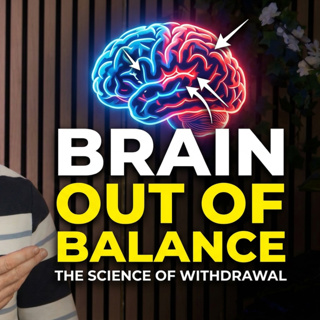
The Science of Withdrawal: What's Actually Happening? - Addiction Basics #5

The Science of Withdrawal: What's Actually Happening? - Addiction Basics #5

Withdrawal is one of the most feared parts of addiction recovery.But neuroscience shows something important:Withdrawal isn’t a failure of willpower — it’s the brain restoring balance after long-term c...

4 Mar 5min

Addiction vs Dependence vs Tolerance: The Critical Medical Difference

Addiction vs Dependence vs Tolerance: The Critical Medical Difference

🚨 TOLERANCE ≠ ADDICTION 🚨Most people — even healthcare professionals — use these terms incorrectly.And that confusion is hurting patients.In this episode, we break down:🧠 The real definition of add...

25 Feb 5min

Why Buprenorphine Is Safer Than Full Opioid Agonists

Why Buprenorphine Is Safer Than Full Opioid Agonists

Most people think methadone is the only real option for opioid addiction.Wrong.Buprenorphine — especially long-acting injectable depot — is flipping the entire system upside down.No daily pharmacy vis...

23 Feb 28min

How Cravings Work: Limbic System vs Prefrontal Cortex - Addiction Basics EP3

How Cravings Work: Limbic System vs Prefrontal Cortex - Addiction Basics EP3

Addiction neuroscience explains why wanting to quit isn’t the same as being able to quit. Dopamine reshapes the brain’s reward system.In Episode 3 of Addiction Basics, we tackle one of the most painfu...

18 Feb 6min
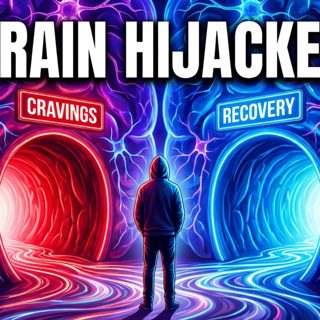
Dopamine and Addiction: The Science of Cravings - Addiction Basics EP2

Dopamine and Addiction: The Science of Cravings - Addiction Basics EP2

Addiction neuroscience explained. Dopamine, cravings, brain recovery, and neuroplasticity — backed by research.If you’ve ever wondered how addiction works in the brain, this is the science most people...

12 Feb 6min

Populært innen Helse

lydartikler-fra-aftenposten
fastlegen
hvordan-har-du-det-mann
rss-gukild-johaug
psykodrama
leger-om-livet
rss-garne-damer
relasjonspodden-med-dora-thorhallsdottir-kjersti-idem
foreldreradet
bak-fasaden-en-reise-i-livet-med-sykepleier-ine
morten-ramm-lar-kakla-ga-til-du-sovner
rss-lopedrommen
klimaks
hjernesterk
hormonelle-frida
rss-sunn-okonomi
sinnsyn
g-punktet
helsetipspodden
hverdagspsyken