Navigating the Challenges of Opioid Withdrawal: Tips and Strategies

Navigating the Challenges of Opioid Withdrawal: Tips and Strategies

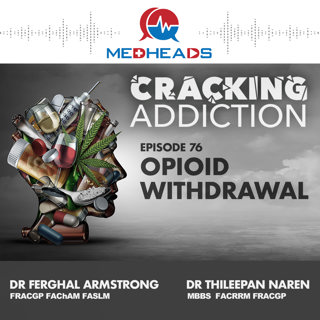
The distress that individuals undergoing opioid withdrawal can experience can range from mild to severe, depending on the type and duration of opioid use, as well as the individual's overall physical and mental health. Different opioids can cause slightly different withdrawal symptoms, which can include physical symptoms such as muscle aches, sweating, and insomnia, as well as psychological symptoms such as anxiety, depression, and irritability.

One of the most challenging aspects of opioid withdrawal is the phenomena of precipitated withdrawal, which occurs when an individual is given a medication that binds to the same receptors as the opioid they are dependent on, which can cause an intense and sudden onset of withdrawal symptoms. Precipitated withdrawal can be incredibly distressing, and it is important for individuals to be aware of this potential outcome if they are considering using medications to help manage their withdrawal symptoms.

Managing the symptoms of opioid withdrawal can be a complex process, and it is important for individuals to work with medical professionals to develop a plan that is tailored to their specific needs. This may include the use of medications such as methadone or buprenorphine to help ease withdrawal symptoms, as well as counseling and support services to address the psychological aspects of addiction.

It is important to note that an isolated opioid withdrawal without a plan for using opioid substitution therapy can increase the risk of relapse and overdose. When an individual is no longer opioid tolerant post opioid withdrawal, they are at a higher risk of an overdose if they do relapse, which is why it is essential to have a plan in place for opioid substitution therapy and ongoing support for addiction recovery.

In summary, opioid withdrawal is a complex and challenging process that can cause a range of physical and psychological symptoms. Precipitated withdrawal can be particularly distressing, and it is important to work with medical professionals to develop an individualized plan for managing withdrawal symptoms. Additionally, it is important to have a plan for opioid substitution therapy and ongoing support for addiction recovery to avoid the risks of relapse and opioid overdose.

Opioid withdrawal is a complex phenomenon.

Discussions and comments in our videos are for informational purposes only and should not replace the advice of your medical professional. Please consult with your doctor before making any changes to your medical treatment or lifestyle.

Latest Blogs

https://www.meducate.com.au/blog

About Meducate ®

Meducate provides online education for doctors, clinicians, health professionals and the public.

See the website to browse the many different talks and courses available https://www.meducate.com.au

Episoder(238)

Dopamine, Relapse, and Recovery: Why Addiction Needs Long-Term Management

Dopamine, Relapse, and Recovery: Why Addiction Needs Long-Term Management

A lot of people still think addiction recovery is just about willpower.But addiction neuroscience tells a different story: dopamine, the reward system, and relapse risk all help explain why recovery o...

25 Mar 5min
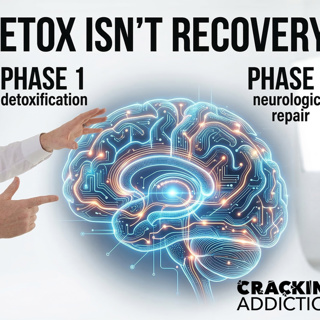
Why You Can Be Detoxed and Still Addicted

Why You Can Be Detoxed and Still Addicted

Addiction neuroscience, dopamine, cravings: detox ends withdrawal, but it does not end addiction.The MythA common myth in addiction recovery is that once detox is over, the problem is solved. Many peo...

18 Mar 5min
Relapse Happens to Everyone: Here's the Science Why - Addiction Basics 06

Relapse Happens to Everyone: Here's the Science Why - Addiction Basics 06

Dr. Fergal Armstrong reframes relapse in addiction, explaining why it's not a personal failure but a common part of the recovery journey, comparable to chronic illnesses. Understanding the neuroscienc...

11 Mar 5min
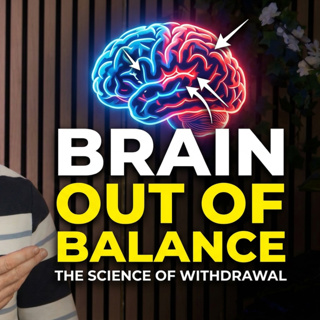
The Science of Withdrawal: What's Actually Happening? - Addiction Basics #5

The Science of Withdrawal: What's Actually Happening? - Addiction Basics #5

Withdrawal is one of the most feared parts of addiction recovery.But neuroscience shows something important:Withdrawal isn’t a failure of willpower — it’s the brain restoring balance after long-term c...

4 Mar 5min

Addiction vs Dependence vs Tolerance: The Critical Medical Difference

Addiction vs Dependence vs Tolerance: The Critical Medical Difference

🚨 TOLERANCE ≠ ADDICTION 🚨Most people — even healthcare professionals — use these terms incorrectly.And that confusion is hurting patients.In this episode, we break down:🧠 The real definition of add...

25 Feb 5min

Why Buprenorphine Is Safer Than Full Opioid Agonists

Why Buprenorphine Is Safer Than Full Opioid Agonists

Most people think methadone is the only real option for opioid addiction.Wrong.Buprenorphine — especially long-acting injectable depot — is flipping the entire system upside down.No daily pharmacy vis...

23 Feb 28min

How Cravings Work: Limbic System vs Prefrontal Cortex - Addiction Basics EP3

How Cravings Work: Limbic System vs Prefrontal Cortex - Addiction Basics EP3

Addiction neuroscience explains why wanting to quit isn’t the same as being able to quit. Dopamine reshapes the brain’s reward system.In Episode 3 of Addiction Basics, we tackle one of the most painfu...

18 Feb 6min
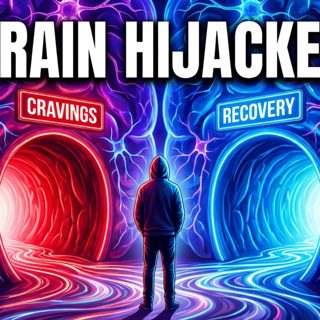
Dopamine and Addiction: The Science of Cravings - Addiction Basics EP2

Dopamine and Addiction: The Science of Cravings - Addiction Basics EP2

Addiction neuroscience explained. Dopamine, cravings, brain recovery, and neuroplasticity — backed by research.If you’ve ever wondered how addiction works in the brain, this is the science most people...

12 Feb 6min

Populært innen Helse

lydartikler-fra-aftenposten
fastlegen
hvordan-har-du-det-mann
rss-gukild-johaug
psykodrama
relasjonspodden-med-dora-thorhallsdottir-kjersti-idem
leger-om-livet
rss-garne-damer
foreldreradet
rss-lopedrommen
morten-ramm-lar-kakla-ga-til-du-sovner
bak-fasaden-en-reise-i-livet-med-sykepleier-ine
hjernesterk
klimaks
hormonelle-frida
sinnsyn
helsetipspodden
treningsprat
hverdagspsyken
g-punktet