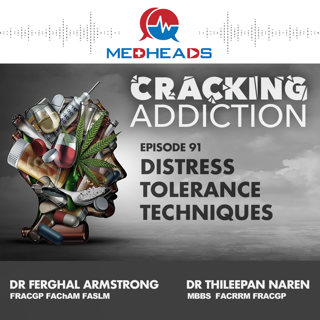
Distress Tolerance Techniques: TIPP

Distress Tolerance Techniques: TIPP

TIPP is a simple and effective acronym that stands for Temperature, Intense Exercise, Paced Breathing, and Progressive Muscle Relaxation. Each component of TIPP is designed to help us manage acute distress in a different way.

Temperature: Exposure to cold temperatures has been shown to reduce sympathetic nervous system tone and increase parasympathetic nervous system tone. This means that cold exposure can help us calm down and feel more relaxed. To use this technique, you can try putting your face into a bucket of iced water for 30-60 seconds. While this may sound unpleasant, it can be a powerful tool for managing acute distress.

Intense Exercise: Intense exercise can help disperse the adrenaline rush associated with acute distress. When we experience distress, our body releases adrenaline, which prepares us for fight or flight. However, if we do not use this adrenaline, it can build up and cause us to feel more anxious or agitated. Intense exercise can help us burn off this adrenaline and feel more calm and relaxed. To get the most benefit from intense exercise, it is important to reach our maximal heart rate. Our maximal heart rate is calculated as 220 minus our age. For example, if you are 30 years old, your maximal heart rate would be 190 (220-30=190). To get the most benefit from exercise, we should aim to achieve 90% of our maximal heart rate for 30-second bursts. This can increase our fitness and also reduce our emotional distress.

Paced Breathing: Paced breathing is a technique that involves slowing down our breathing to help us feel more calm and relaxed. To use this technique, we should inhale for 4 seconds, hold our breath for 4 seconds, and then exhale for 4 seconds. This can be repeated for several minutes until we feel more calm and relaxed.

Progressive Muscle Relaxation: Progressive muscle relaxation is a technique that involves tensing and then relaxing different muscle groups in our body. This can help us release tension and feel more relaxed. To use this technique, we should tense our muscles for 5-10 seconds and then relax them for 10-20 seconds. This can be repeated for several minutes until we feel more relaxed.

Discussions and comments in our videos are for informational purposes only and should not replace the advice of your medical professional. Please consult with your doctor before making any changes to your medical treatment or lifestyle.

Latest Blogs

https://www.meducate.com.au/blog

About Meducate ®

Meducate provides online education for doctors, clinicians, health professionals and the public.

See the website to browse the many different talks and courses available https://www.meducate.com.au

Episoder(238)

Dopamine, Relapse, and Recovery: Why Addiction Needs Long-Term Management

Dopamine, Relapse, and Recovery: Why Addiction Needs Long-Term Management

A lot of people still think addiction recovery is just about willpower.But addiction neuroscience tells a different story: dopamine, the reward system, and relapse risk all help explain why recovery o...

25 Mar 5min
Why You Can Be Detoxed and Still Addicted

Why You Can Be Detoxed and Still Addicted

Addiction neuroscience, dopamine, cravings: detox ends withdrawal, but it does not end addiction.The MythA common myth in addiction recovery is that once detox is over, the problem is solved. Many peo...

18 Mar 5min
Relapse Happens to Everyone: Here's the Science Why - Addiction Basics 06

Relapse Happens to Everyone: Here's the Science Why - Addiction Basics 06

Dr. Fergal Armstrong reframes relapse in addiction, explaining why it's not a personal failure but a common part of the recovery journey, comparable to chronic illnesses. Understanding the neuroscienc...

11 Mar 5min
The Science of Withdrawal: What's Actually Happening? - Addiction Basics #5

The Science of Withdrawal: What's Actually Happening? - Addiction Basics #5

Withdrawal is one of the most feared parts of addiction recovery.But neuroscience shows something important:Withdrawal isn’t a failure of willpower — it’s the brain restoring balance after long-term c...

4 Mar 5min

Addiction vs Dependence vs Tolerance: The Critical Medical Difference

Addiction vs Dependence vs Tolerance: The Critical Medical Difference

🚨 TOLERANCE ≠ ADDICTION 🚨Most people — even healthcare professionals — use these terms incorrectly.And that confusion is hurting patients.In this episode, we break down:🧠 The real definition of add...

25 Feb 5min

Why Buprenorphine Is Safer Than Full Opioid Agonists

Why Buprenorphine Is Safer Than Full Opioid Agonists

Most people think methadone is the only real option for opioid addiction.Wrong.Buprenorphine — especially long-acting injectable depot — is flipping the entire system upside down.No daily pharmacy vis...

23 Feb 28min

How Cravings Work: Limbic System vs Prefrontal Cortex - Addiction Basics EP3

How Cravings Work: Limbic System vs Prefrontal Cortex - Addiction Basics EP3

Addiction neuroscience explains why wanting to quit isn’t the same as being able to quit. Dopamine reshapes the brain’s reward system.In Episode 3 of Addiction Basics, we tackle one of the most painfu...

18 Feb 6min
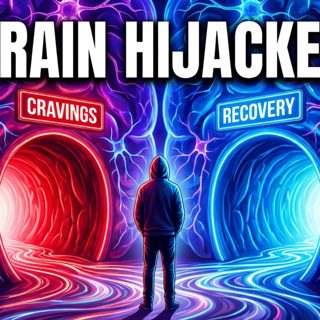
Dopamine and Addiction: The Science of Cravings - Addiction Basics EP2

Dopamine and Addiction: The Science of Cravings - Addiction Basics EP2

Addiction neuroscience explained. Dopamine, cravings, brain recovery, and neuroplasticity — backed by research.If you’ve ever wondered how addiction works in the brain, this is the science most people...

12 Feb 6min

Populært innen Helse

lydartikler-fra-aftenposten
fastlegen
hvordan-har-du-det-mann
rss-gukild-johaug
psykodrama
relasjonspodden-med-dora-thorhallsdottir-kjersti-idem
leger-om-livet
rss-garne-damer
foreldreradet
morten-ramm-lar-kakla-ga-til-du-sovner
rss-lopedrommen
bak-fasaden-en-reise-i-livet-med-sykepleier-ine
hjernesterk
klimaks
hormonelle-frida
g-punktet
sinnsyn
helsetipspodden
hverdagspsyken
treningsprat