Navigating Take Home Naloxone: An Antidote for Opioid Toxicity

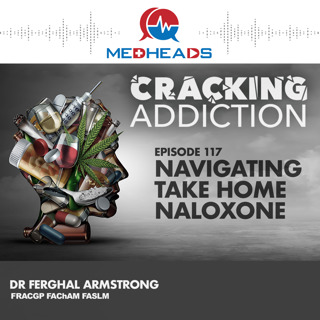
Navigating Take Home Naloxone: An Antidote for Opioid Toxicity

Dr. Ferghal Armstrong discusses the importance and impact of take-home naloxone with experts Jeremy Szmerling and Dr. Suzanne Neilsen. They explain what take-home naloxone is and its role as an opioid antagonist in combating opioid toxicity, including both heroin and prescription opioid overdoses. They debunk common misconceptions and address barriers to its usage. The episode provides valuable insights for clinicians and highlights the need for wider availability and education around take-home naloxone.

Learning Outcomes:

1. Understand the purpose and availability of take-home naloxone: Take-home naloxone is an opioid antagonist that can be self-administered by a patient using formulations available at pharmacies. It is classified as a pharmacist-only medication and can be dispensed without a prescription.

2. Recognize the importance of take-home naloxone in combating opioid toxicity: Opioid toxicity can lead to serious side effects, including sedation, constipation, nausea, and even respiratory failure and death. Take-home naloxone acts as an antidote to reverse opioid overdoses, making it crucial in saving lives.

3. Dispelling myths and addressing stigma: Despite prevalent misconceptions, studies have shown that providing naloxone does not promote riskier behaviour or increase opioid use. It actually reduces the risks associated with opioid use. It is important for healthcare providers to offer naloxone without stigma to anyone at risk of an opioid overdose.

Actionable Takeaways:

1. Healthcare providers should be aware of the availability of take-home naloxone and its importance in preventing opioid overdoses. They should be prepared to offer and educate patients at risk, regardless of whether they use illicit or prescribed opioids.

2. Language and approach matter: When discussing naloxone with patients, it is crucial to use appropriate language and consider the individual's background and context. Starting with terms like "overdose" or "opioid toxicity" can vary based on the patient's familiarity and comfort level.

3. Overcoming barriers: Clinicians should feel confident in identifying individuals who would benefit from naloxone training and delivery. Offering naloxone to a broad population, rather than selectively targeting high-risk individuals, can lead to more lives being saved.

Quote: "Giving naloxone reduces the risks that people take... providing naloxone, providing education about what an overdose is and how to reverse it, is only going to help someone reduce their risk." - Dr. Suzanne Neilsen

Episoder(238)

Dopamine, Relapse, and Recovery: Why Addiction Needs Long-Term Management

Dopamine, Relapse, and Recovery: Why Addiction Needs Long-Term Management

A lot of people still think addiction recovery is just about willpower.But addiction neuroscience tells a different story: dopamine, the reward system, and relapse risk all help explain why recovery o...

25 Mar 5min
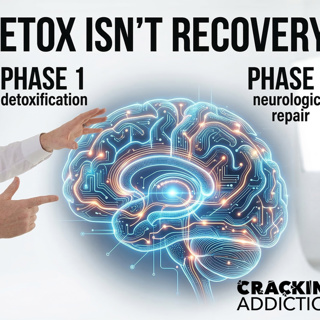
Why You Can Be Detoxed and Still Addicted

Why You Can Be Detoxed and Still Addicted

Addiction neuroscience, dopamine, cravings: detox ends withdrawal, but it does not end addiction.The MythA common myth in addiction recovery is that once detox is over, the problem is solved. Many peo...

18 Mar 5min
Relapse Happens to Everyone: Here's the Science Why - Addiction Basics 06

Relapse Happens to Everyone: Here's the Science Why - Addiction Basics 06

Dr. Fergal Armstrong reframes relapse in addiction, explaining why it's not a personal failure but a common part of the recovery journey, comparable to chronic illnesses. Understanding the neuroscienc...

11 Mar 5min
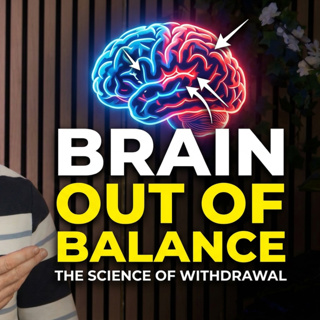
The Science of Withdrawal: What's Actually Happening? - Addiction Basics #5

The Science of Withdrawal: What's Actually Happening? - Addiction Basics #5

Withdrawal is one of the most feared parts of addiction recovery.But neuroscience shows something important:Withdrawal isn’t a failure of willpower — it’s the brain restoring balance after long-term c...

4 Mar 5min

Addiction vs Dependence vs Tolerance: The Critical Medical Difference

Addiction vs Dependence vs Tolerance: The Critical Medical Difference

🚨 TOLERANCE ≠ ADDICTION 🚨Most people — even healthcare professionals — use these terms incorrectly.And that confusion is hurting patients.In this episode, we break down:🧠 The real definition of add...

25 Feb 5min

Why Buprenorphine Is Safer Than Full Opioid Agonists

Why Buprenorphine Is Safer Than Full Opioid Agonists

Most people think methadone is the only real option for opioid addiction.Wrong.Buprenorphine — especially long-acting injectable depot — is flipping the entire system upside down.No daily pharmacy vis...

23 Feb 28min

How Cravings Work: Limbic System vs Prefrontal Cortex - Addiction Basics EP3

How Cravings Work: Limbic System vs Prefrontal Cortex - Addiction Basics EP3

Addiction neuroscience explains why wanting to quit isn’t the same as being able to quit. Dopamine reshapes the brain’s reward system.In Episode 3 of Addiction Basics, we tackle one of the most painfu...

18 Feb 6min
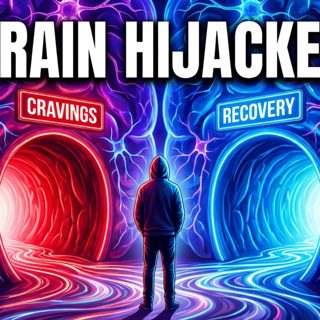
Dopamine and Addiction: The Science of Cravings - Addiction Basics EP2

Dopamine and Addiction: The Science of Cravings - Addiction Basics EP2

Addiction neuroscience explained. Dopamine, cravings, brain recovery, and neuroplasticity — backed by research.If you’ve ever wondered how addiction works in the brain, this is the science most people...

12 Feb 6min

Populært innen Helse

lydartikler-fra-aftenposten
fastlegen
hvordan-har-du-det-mann
rss-gukild-johaug
psykodrama
relasjonspodden-med-dora-thorhallsdottir-kjersti-idem
leger-om-livet
rss-garne-damer
foreldreradet
morten-ramm-lar-kakla-ga-til-du-sovner
rss-lopedrommen
bak-fasaden-en-reise-i-livet-med-sykepleier-ine
hjernesterk
klimaks
hormonelle-frida
sinnsyn
g-punktet
helsetipspodden
hverdagspsyken
rss-sunn-okonomi