Reflecting on the Fourth Step: Exploring the Importance of the Moral Inventory in Recovery

Reflecting on the Fourth Step: Exploring the Importance of the Moral Inventory in Recovery

In this episode, Dr. Ferghal Armstrong and Dr. Laura Petracek explore the fourth step of the twelve-step program - making a searching and fearless moral inventory.

They discuss why this step is crucial for individuals with alcohol or substance use disorders, and how it can lead to a sense of relief and freedom from self-loathing.

The conversation also covers the fifth step, where confession to a sponsor plays a significant role in the recovery journey. If you're looking for insights and guidance on how to navigate these steps and overcome addiction, this episode is for you.

Key Points and Learning Outcomes:

1. The Importance of a Moral Inventory: The fourth step involves taking an honest and fearless inventory of oneself, examining the wreckage caused by addiction in areas such as relationships, jobs, and personal well-being. By facing the consequences of their actions, individuals can gain a clearer perspective on the impact of their addiction.

2. Relief and Support: Engaging in a moral inventory often brings a sense of relief as individuals unload the weight of negativity and self-loathing. Knowing that others have experienced similar challenges and mistakes through the support of sponsors and recovery groups can provide comfort and foster a sense of belonging.

3. Fearlessness Through Willingness: While the idea of a moral inventory may initially evoke fear, the first step towards it is willingness. By acknowledging and embracing the need for self-reflection and growth, individuals can gradually become more fearless in their journey towards recovery.

4. Resentments as Fuel for Addiction: Resentments are identified as the number one offender and a driving factor behind relapse. The constant replaying of negative thoughts and emotions can lead individuals to seek solace in addictive behaviours. Addressing and processing resentments is crucial for long-term sobriety.

5. Aligning with Moral Values: Addiction often leads individuals to act against their own moral values, such as honesty, fidelity, or generosity. Through the fourth step, individuals reintroduce themselves to their moral anchors, reestablishing their values as a guidepost for recovery.

Actionable Takeaways:

1. Embrace the fear: Recognize that starting a moral inventory may be frightening but understand that it is a necessary and brave step towards recovery. Allow willingness to pave the way for fearlessness.

2. Seek support: Engage with a sponsor or join a four-step group to create a sense of community and combat feelings of isolation. Hearing others' experiences and realizing you're not alone can foster a compassionate perspective towards oneself.

3. Address resentments: Identify resentments and work on processing and releasing them. Understand that holding onto resentments only perpetuates the cycle of addiction, and forgiveness and acceptance can pave the way towards healing.

4. Realign with core values: Take time to reflect on one's moral values and assess where addiction has led to their violation. Make a commitment to realign actions and choices with those core values, fostering personal growth and integrity.

Quote:

"Resentments are the number one offender and the number one reason that people go back out and relapse." - Dr. Laura Petracek

Episoder(238)

Dopamine, Relapse, and Recovery: Why Addiction Needs Long-Term Management

Dopamine, Relapse, and Recovery: Why Addiction Needs Long-Term Management

A lot of people still think addiction recovery is just about willpower.But addiction neuroscience tells a different story: dopamine, the reward system, and relapse risk all help explain why recovery o...

25 Mar 5min
Why You Can Be Detoxed and Still Addicted

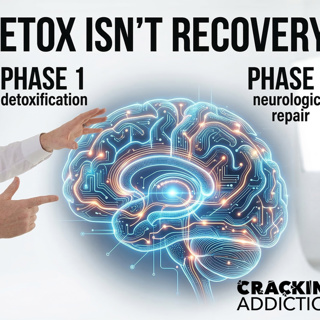
Why You Can Be Detoxed and Still Addicted

Addiction neuroscience, dopamine, cravings: detox ends withdrawal, but it does not end addiction.The MythA common myth in addiction recovery is that once detox is over, the problem is solved. Many peo...

18 Mar 5min
Relapse Happens to Everyone: Here's the Science Why - Addiction Basics 06

Relapse Happens to Everyone: Here's the Science Why - Addiction Basics 06

Dr. Fergal Armstrong reframes relapse in addiction, explaining why it's not a personal failure but a common part of the recovery journey, comparable to chronic illnesses. Understanding the neuroscienc...

11 Mar 5min
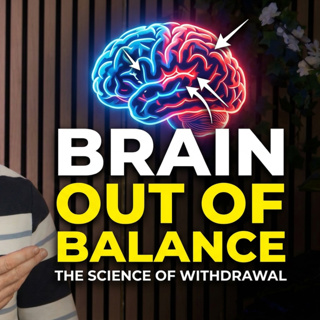
The Science of Withdrawal: What's Actually Happening? - Addiction Basics #5

The Science of Withdrawal: What's Actually Happening? - Addiction Basics #5

Withdrawal is one of the most feared parts of addiction recovery.But neuroscience shows something important:Withdrawal isn’t a failure of willpower — it’s the brain restoring balance after long-term c...

4 Mar 5min

Addiction vs Dependence vs Tolerance: The Critical Medical Difference

Addiction vs Dependence vs Tolerance: The Critical Medical Difference

🚨 TOLERANCE ≠ ADDICTION 🚨Most people — even healthcare professionals — use these terms incorrectly.And that confusion is hurting patients.In this episode, we break down:🧠 The real definition of add...

25 Feb 5min

Why Buprenorphine Is Safer Than Full Opioid Agonists

Why Buprenorphine Is Safer Than Full Opioid Agonists

Most people think methadone is the only real option for opioid addiction.Wrong.Buprenorphine — especially long-acting injectable depot — is flipping the entire system upside down.No daily pharmacy vis...

23 Feb 28min

How Cravings Work: Limbic System vs Prefrontal Cortex - Addiction Basics EP3

How Cravings Work: Limbic System vs Prefrontal Cortex - Addiction Basics EP3

Addiction neuroscience explains why wanting to quit isn’t the same as being able to quit. Dopamine reshapes the brain’s reward system.In Episode 3 of Addiction Basics, we tackle one of the most painfu...

18 Feb 6min
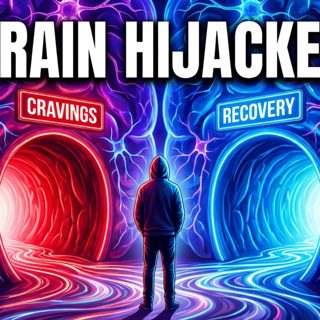
Dopamine and Addiction: The Science of Cravings - Addiction Basics EP2

Dopamine and Addiction: The Science of Cravings - Addiction Basics EP2

Addiction neuroscience explained. Dopamine, cravings, brain recovery, and neuroplasticity — backed by research.If you’ve ever wondered how addiction works in the brain, this is the science most people...

12 Feb 6min

Populært innen Helse

lydartikler-fra-aftenposten
fastlegen
hvordan-har-du-det-mann
rss-gukild-johaug
psykodrama
relasjonspodden-med-dora-thorhallsdottir-kjersti-idem
leger-om-livet
rss-garne-damer
foreldreradet
morten-ramm-lar-kakla-ga-til-du-sovner
rss-lopedrommen
bak-fasaden-en-reise-i-livet-med-sykepleier-ine
hjernesterk
klimaks
hormonelle-frida
sinnsyn
g-punktet
helsetipspodden
hverdagspsyken
rss-sunn-okonomi