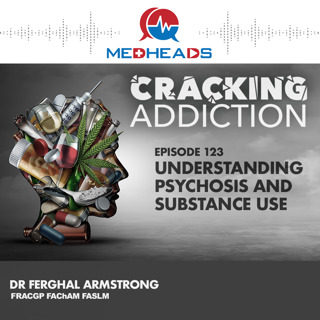
Understanding Psychosis and Substance Use

Understanding Psychosis and Substance Use

In this episode of Cracking Addiction, Dr. Ferghal Armstrong and guest Dr. Manu Bhatnagar engage in a deep dive into the complex topic of psychosis, specifically in the context of substance use disorders. With a focus on understanding the nature of psychosis, the impetus behind psychotic experiences, and the differentiating factors between substance-induced psychotic disorders and primary schizophrenia disorders, this episode imparts valuable insights for both healthcare professionals and individuals affected by addiction and mental health issues.

Focus Keyword: Psychosis in Addiction

In this episode of Cracking Addiction, Dr. Manu Bhatnagar and Dr. Ferghal Armstrong dissect the nature of psychosis, emphasizing its status as a symptom rather than a standalone illness. They highlight the potential influences of social and cultural contexts on the diagnosis of psychosis, shedding light on the impact of societal trends and media portrayals on the manifestation of psychotic experiences. The discussion delves into the potential causes of psychosis, including the interplay of genetic, environmental, and substance-related factors.

Learning Outcomes:

1. Understanding the Multifaceted Nature of Psychosis: Dr. Bhatnagar provides a comprehensive overview of psychosis, defining it as a disruption of thought, perception, and cognition. This highlights the diversity of psychotic experiences and the importance of individual past experiences in shaping these manifestations. The discussion offers a nuanced understanding of psychosis as a complex interplay of factors, paving the way for more holistic approaches to addressing psychotic symptoms.

2. Differentiating Substance-Induced Psychotic Disorders: The episode elucidates the distinction between substance-induced psychotic disorders, particularly those triggered by stimulants and cannabis, and primary schizophrenia disorders. The emphasis on psychomotor agitation as a hallmark of substance-induced psychosis provides a valuable framework for clinicians to differentiate these conditions, informing targeted interventions.

3. Longitudinal Assessment and Treatment Implications: The speakers underscore the significance of longitudinal assessment in distinguishing substance-induced psychosis from primary schizophrenia disorders. This insight carries profound implications for treatment, as the potential resolution of symptoms with abstinence underscores the importance of addressing substance use in managing psychotic experiences.

Actionable Takeaways:

1. Embrace a Holistic Understanding: Recognize the multifactorial nature of psychosis, encompassing genetic predispositions, environmental influences, and substance-related triggers. This broader perspective can inform more comprehensive treatment strategies, taking into account the diverse factors contributing to psychotic experiences.

2. Heightened Clinical Vigilance: Develop a heightened awareness of the hallmarks of substance-induced psychotic disorders, such as psychomotor agitation and acute onset in the context of substance use. This keen clinical vigilance can aid in accurate differential diagnosis and tailored interventions for individuals presenting with psychotic symptoms.

3. Prioritize Longitudinal Assessment: Prioritize longitudinal assessment, particularly in cases of suspected substance-induced psychosis, to discern the potential impact of substance use on psychotic experiences. This approach underscores the importance of addressing substance use disorders in managing psychosis and promoting long-term recovery.

Episoder(238)

Dopamine, Relapse, and Recovery: Why Addiction Needs Long-Term Management

Dopamine, Relapse, and Recovery: Why Addiction Needs Long-Term Management

A lot of people still think addiction recovery is just about willpower.But addiction neuroscience tells a different story: dopamine, the reward system, and relapse risk all help explain why recovery o...

25 Mar 5min
Why You Can Be Detoxed and Still Addicted

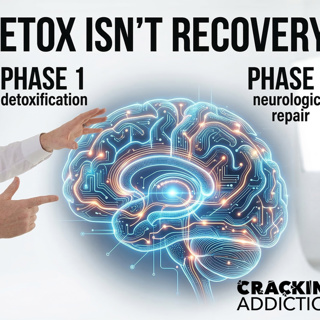
Why You Can Be Detoxed and Still Addicted

Addiction neuroscience, dopamine, cravings: detox ends withdrawal, but it does not end addiction.The MythA common myth in addiction recovery is that once detox is over, the problem is solved. Many peo...

18 Mar 5min
Relapse Happens to Everyone: Here's the Science Why - Addiction Basics 06

Relapse Happens to Everyone: Here's the Science Why - Addiction Basics 06

Dr. Fergal Armstrong reframes relapse in addiction, explaining why it's not a personal failure but a common part of the recovery journey, comparable to chronic illnesses. Understanding the neuroscienc...

11 Mar 5min
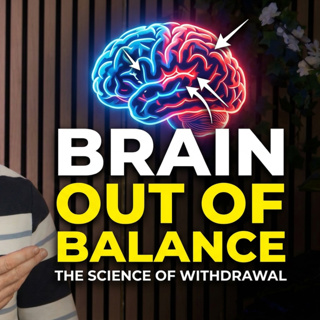
The Science of Withdrawal: What's Actually Happening? - Addiction Basics #5

The Science of Withdrawal: What's Actually Happening? - Addiction Basics #5

Withdrawal is one of the most feared parts of addiction recovery.But neuroscience shows something important:Withdrawal isn’t a failure of willpower — it’s the brain restoring balance after long-term c...

4 Mar 5min

Addiction vs Dependence vs Tolerance: The Critical Medical Difference

Addiction vs Dependence vs Tolerance: The Critical Medical Difference

🚨 TOLERANCE ≠ ADDICTION 🚨Most people — even healthcare professionals — use these terms incorrectly.And that confusion is hurting patients.In this episode, we break down:🧠 The real definition of add...

25 Feb 5min

Why Buprenorphine Is Safer Than Full Opioid Agonists

Why Buprenorphine Is Safer Than Full Opioid Agonists

Most people think methadone is the only real option for opioid addiction.Wrong.Buprenorphine — especially long-acting injectable depot — is flipping the entire system upside down.No daily pharmacy vis...

23 Feb 28min

How Cravings Work: Limbic System vs Prefrontal Cortex - Addiction Basics EP3

How Cravings Work: Limbic System vs Prefrontal Cortex - Addiction Basics EP3

Addiction neuroscience explains why wanting to quit isn’t the same as being able to quit. Dopamine reshapes the brain’s reward system.In Episode 3 of Addiction Basics, we tackle one of the most painfu...

18 Feb 6min
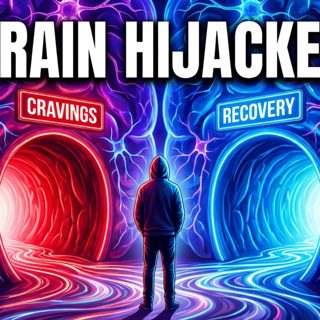
Dopamine and Addiction: The Science of Cravings - Addiction Basics EP2

Dopamine and Addiction: The Science of Cravings - Addiction Basics EP2

Addiction neuroscience explained. Dopamine, cravings, brain recovery, and neuroplasticity — backed by research.If you’ve ever wondered how addiction works in the brain, this is the science most people...

12 Feb 6min

Populært innen Helse

lydartikler-fra-aftenposten
fastlegen
hvordan-har-du-det-mann
rss-gukild-johaug
psykodrama
relasjonspodden-med-dora-thorhallsdottir-kjersti-idem
leger-om-livet
rss-garne-damer
foreldreradet
morten-ramm-lar-kakla-ga-til-du-sovner
rss-lopedrommen
bak-fasaden-en-reise-i-livet-med-sykepleier-ine
hjernesterk
klimaks
hormonelle-frida
sinnsyn
g-punktet
helsetipspodden
hverdagspsyken
rss-sunn-okonomi