Exploring Step 11: Enhancing Connection with a Higher Power in Recovery

Exploring Step 11: Enhancing Connection with a Higher Power in Recovery

Dr. Ferghal Armstrong and Dr. Laura Petracek delve into the 11th step of the twelve-step program, discussing the significance of prayer and meditation in improving conscious contact with a higher power. The episode explores the practical ways individuals can manifest the 11th step in their daily lives and the impact of skepticism on recovery. Listeners will gain valuable insights into the role of connection in recovery, the importance of a sponsor, and the transformative potential of the 11th step prayer.

Dr. Laura Petracek and Dr. Ferghal Armstrong provide an in-depth analysis of the 11th step, emphasising the focus on conscious contact with a higher power and praying for knowledge of that power's will. The conversation also touches on the evolution of the interpretation of a higher power and the challenges of incorporating the 11th step into daily practice. The speakers shed light on the impact of skepticism on engagement with the step and the importance of sponsors and connection in recovery.


**Learning Outcomes:**


1. Understanding the 11th step: Gain insight into the significance of prayer and meditation in establishing conscious contact with a higher power as outlined in the twelve-step program.


2. Practical manifestation: Explore different methods to incorporate prayer and meditation into daily recovery practice, from reading meditation books to journaling and seeking guidance.


3. Impact of skepticism on recovery: Recognise the implications of skepticism and defiance on engagement with the twelve-step program, and the importance of empathy and exploration of alternative avenues for connection.


4. The role of sponsors and connection: Appreciate the significance of sponsors in reframing the 11th step and the transformative potential of finding connection in recovery.


**Actionable Takeaways:**


1. Start each day with a moment of prayer or meditation to establish a connection with a higher power and seek guidance on your journey of recovery.


2. Explore various methods of meditation, such as reading meditation books, journaling, or even engaging in outdoor activities, to foster a deeper spiritual and introspective practice.


3. Recognise the impact of skepticism on engagement with recovery programs and consider the role of empathy and exploration of alternative paths for connection and healing.


4. Emphasise the role of sponsors and the power of connection in finding support and reframing the 11th step, seeking guidance from those who have walked a similar path.


**Quote:**


"Getting quiet and doing meditation help facilitate the process of discerning the right choices, instead of overthinking and trying to solve problems on our own."

Episoder(238)

Dopamine, Relapse, and Recovery: Why Addiction Needs Long-Term Management

Dopamine, Relapse, and Recovery: Why Addiction Needs Long-Term Management

A lot of people still think addiction recovery is just about willpower.But addiction neuroscience tells a different story: dopamine, the reward system, and relapse risk all help explain why recovery o...

25 Mar 5min
Why You Can Be Detoxed and Still Addicted

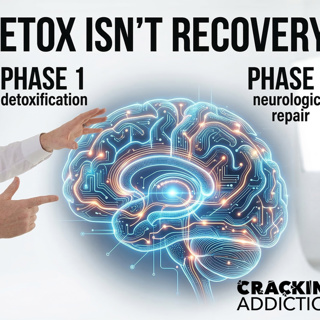
Why You Can Be Detoxed and Still Addicted

Addiction neuroscience, dopamine, cravings: detox ends withdrawal, but it does not end addiction.The MythA common myth in addiction recovery is that once detox is over, the problem is solved. Many peo...

18 Mar 5min
Relapse Happens to Everyone: Here's the Science Why - Addiction Basics 06

Relapse Happens to Everyone: Here's the Science Why - Addiction Basics 06

Dr. Fergal Armstrong reframes relapse in addiction, explaining why it's not a personal failure but a common part of the recovery journey, comparable to chronic illnesses. Understanding the neuroscienc...

11 Mar 5min
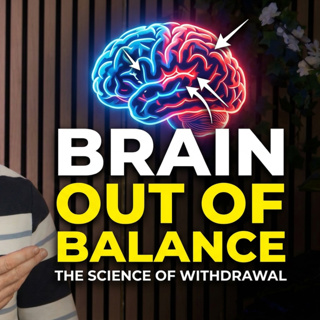
The Science of Withdrawal: What's Actually Happening? - Addiction Basics #5

The Science of Withdrawal: What's Actually Happening? - Addiction Basics #5

Withdrawal is one of the most feared parts of addiction recovery.But neuroscience shows something important:Withdrawal isn’t a failure of willpower — it’s the brain restoring balance after long-term c...

4 Mar 5min

Addiction vs Dependence vs Tolerance: The Critical Medical Difference

Addiction vs Dependence vs Tolerance: The Critical Medical Difference

🚨 TOLERANCE ≠ ADDICTION 🚨Most people — even healthcare professionals — use these terms incorrectly.And that confusion is hurting patients.In this episode, we break down:🧠 The real definition of add...

25 Feb 5min

Why Buprenorphine Is Safer Than Full Opioid Agonists

Why Buprenorphine Is Safer Than Full Opioid Agonists

Most people think methadone is the only real option for opioid addiction.Wrong.Buprenorphine — especially long-acting injectable depot — is flipping the entire system upside down.No daily pharmacy vis...

23 Feb 28min

How Cravings Work: Limbic System vs Prefrontal Cortex - Addiction Basics EP3

How Cravings Work: Limbic System vs Prefrontal Cortex - Addiction Basics EP3

Addiction neuroscience explains why wanting to quit isn’t the same as being able to quit. Dopamine reshapes the brain’s reward system.In Episode 3 of Addiction Basics, we tackle one of the most painfu...

18 Feb 6min
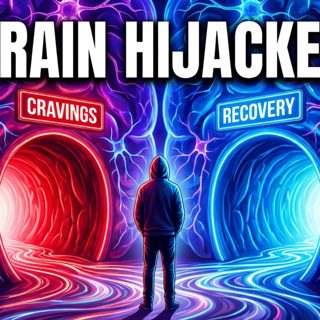
Dopamine and Addiction: The Science of Cravings - Addiction Basics EP2

Dopamine and Addiction: The Science of Cravings - Addiction Basics EP2

Addiction neuroscience explained. Dopamine, cravings, brain recovery, and neuroplasticity — backed by research.If you’ve ever wondered how addiction works in the brain, this is the science most people...

12 Feb 6min

Populært innen Helse

lydartikler-fra-aftenposten
fastlegen
hvordan-har-du-det-mann
rss-gukild-johaug
psykodrama
relasjonspodden-med-dora-thorhallsdottir-kjersti-idem
leger-om-livet
rss-garne-damer
foreldreradet
morten-ramm-lar-kakla-ga-til-du-sovner
rss-lopedrommen
bak-fasaden-en-reise-i-livet-med-sykepleier-ine
hjernesterk
klimaks
hormonelle-frida
sinnsyn
g-punktet
helsetipspodden
hverdagspsyken
rss-sunn-okonomi