Understanding Addiction: The Science Behind Substance Dependence and Its Impact on the Brain

Understanding Addiction: The Science Behind Substance Dependence and Its Impact on the Brain

On this episode of Cracking Addiction, join host Dr. Ferghal Armstrong as he delves into the science behind addiction. Dr. Armstrong explains the crucial differences between drug misuse and addiction, highlighting the complex interplay of genetic, environmental, and drug-specific factors in influencing an individual's vulnerability to addiction.

Delving into the physiological underpinnings, he discusses the role of dopamine in the brain and how addictive substances impact various brain structures.


Throughout the episode, Dr. Armstrong dispels misconceptions about addiction, emphasizing that it's a chronic disorder of the brain and not a moral failing.


Tune in as he expertly breaks down the three phases of addiction—binging, withdrawal, and poor decision making—and the specific brain regions involved. If you want to gain a deeper understanding of addiction and its underlying mechanisms, this episode is a must-listen.


**Key Points**


- Genetic, environmental, and drug-specific factors play crucial roles in determining an individual's vulnerability to addiction.


- Dopamine, the key molecule associated with desire and reward, is released by the nucleus accumbens when exposed to addictive substances.


- Addiction is a chronic brain disorder, and its three phases (binging, withdrawal, lack of control) affect specific parts of the brain, leading to compulsive substance use.


**Learning Outcomes**


1. *Understanding Addiction Vulnerability:* Dr. Armstrong explains how genetic predisposition, environmental influences, and the nature of the drug itself collectively contribute to an individual's vulnerability to addiction. Realizing the multifactorial nature of addiction susceptibility can aid in devising comprehensive prevention and treatment strategies.


2. *Neurological Impact of Addiction:* By examining the impact of addiction on the brain, listeners will gain insight into the physiological aspects that underpin substance dependence. Understanding the role of dopamine in mediating addiction-related behaviour can help in comprehending the complexities of addictive tendencies.


3. *Three Phases of Addiction:* Through a detailed exploration of the binging, withdrawal, and lack of control phases, listeners can observe how addiction manifests in different parts of the brain. This insight can unveil the intricate nature of addiction progression and assist in the development of targeted interventions.


**Actionable Takeaways**


1. *Recognize Genetic Vulnerability:* Reflect on your family history of addiction to understand potential genetic predispositions, but bear in mind that environmental and drug-specific factors also play pivotal roles.


2. *Educate On Dopamine's Role:* Learn about dopamine's function in the brain and its connection to addictive tendencies, enabling a deeper understanding of the neurobiological processes involved in addiction.


3. *Identify Addiction Phases:* Recognize the distinct phases of addiction, from initial enjoyment to compulsive use, and how they correspond to neurological changes, fostering a more holistic understanding of the addiction cycle.


**Insightful Quote**


"Addiction is not a moral failing, it's not a poor choice, and certainly shouldn't be treated as such. It's a chronic disorder of the brain, prone to relapse." - Dr. Ferghal Armstrong


**Hashtags**


#AddictionScience #Neurobiology #ChronicDisorder #DopamineRelease #GeneticVulnerability #EnvironmentalInfluences #BrainNeurology #BingingWithdrawalControl #AddictionPrevention #TreatmentStrategies


Thank you for tuning in to "Cracking Addiction." Like what you heard? Make sure to subscribe to our YouTube channel and online platforms...

Episoder(238)

Dopamine, Relapse, and Recovery: Why Addiction Needs Long-Term Management

Dopamine, Relapse, and Recovery: Why Addiction Needs Long-Term Management

A lot of people still think addiction recovery is just about willpower.But addiction neuroscience tells a different story: dopamine, the reward system, and relapse risk all help explain why recovery o...

25 Mar 5min
Why You Can Be Detoxed and Still Addicted

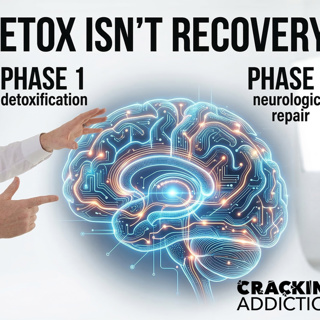
Why You Can Be Detoxed and Still Addicted

Addiction neuroscience, dopamine, cravings: detox ends withdrawal, but it does not end addiction.The MythA common myth in addiction recovery is that once detox is over, the problem is solved. Many peo...

18 Mar 5min
Relapse Happens to Everyone: Here's the Science Why - Addiction Basics 06

Relapse Happens to Everyone: Here's the Science Why - Addiction Basics 06

Dr. Fergal Armstrong reframes relapse in addiction, explaining why it's not a personal failure but a common part of the recovery journey, comparable to chronic illnesses. Understanding the neuroscienc...

11 Mar 5min
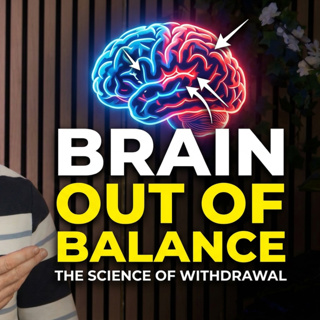
The Science of Withdrawal: What's Actually Happening? - Addiction Basics #5

The Science of Withdrawal: What's Actually Happening? - Addiction Basics #5

Withdrawal is one of the most feared parts of addiction recovery.But neuroscience shows something important:Withdrawal isn’t a failure of willpower — it’s the brain restoring balance after long-term c...

4 Mar 5min

Addiction vs Dependence vs Tolerance: The Critical Medical Difference

Addiction vs Dependence vs Tolerance: The Critical Medical Difference

🚨 TOLERANCE ≠ ADDICTION 🚨Most people — even healthcare professionals — use these terms incorrectly.And that confusion is hurting patients.In this episode, we break down:🧠 The real definition of add...

25 Feb 5min

Why Buprenorphine Is Safer Than Full Opioid Agonists

Why Buprenorphine Is Safer Than Full Opioid Agonists

Most people think methadone is the only real option for opioid addiction.Wrong.Buprenorphine — especially long-acting injectable depot — is flipping the entire system upside down.No daily pharmacy vis...

23 Feb 28min

How Cravings Work: Limbic System vs Prefrontal Cortex - Addiction Basics EP3

How Cravings Work: Limbic System vs Prefrontal Cortex - Addiction Basics EP3

Addiction neuroscience explains why wanting to quit isn’t the same as being able to quit. Dopamine reshapes the brain’s reward system.In Episode 3 of Addiction Basics, we tackle one of the most painfu...

18 Feb 6min
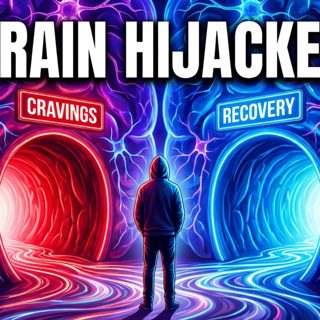
Dopamine and Addiction: The Science of Cravings - Addiction Basics EP2

Dopamine and Addiction: The Science of Cravings - Addiction Basics EP2

Addiction neuroscience explained. Dopamine, cravings, brain recovery, and neuroplasticity — backed by research.If you’ve ever wondered how addiction works in the brain, this is the science most people...

12 Feb 6min

Populært innen Helse

lydartikler-fra-aftenposten
fastlegen
hvordan-har-du-det-mann
rss-gukild-johaug
psykodrama
relasjonspodden-med-dora-thorhallsdottir-kjersti-idem
leger-om-livet
rss-garne-damer
foreldreradet
morten-ramm-lar-kakla-ga-til-du-sovner
rss-lopedrommen
bak-fasaden-en-reise-i-livet-med-sykepleier-ine
hjernesterk
klimaks
hormonelle-frida
sinnsyn
g-punktet
helsetipspodden
hverdagspsyken
rss-sunn-okonomi