Exploring the AFL's Drug Dilemma: Care Plans versus Punishments in Professional Sports

Exploring the AFL's Drug Dilemma: Care Plans versus Punishments in Professional Sports

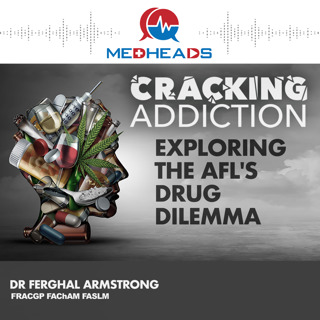
Listen to this insightful episode of Cracking Addiction and unravel the complexities of substance use within the realm of professional sports, particularly the AFL.

We delve into the controversial handling of illicit drug use among players, balancing the tightrope between medical treatment and role-model expectations. This discussion is crucial for anyone looking to understand the multifaceted approach to addiction and substance use in high-pressure environments.

Join Dr. Ferghal Armstrong and guest journalist Max Laughton as they dissect the layers of policy, public perception, and personal care in the context of the AFL's recent drug use dilemma.


The focus of this episode lies in the intricate policy and personal care considerations surrounding illicit drug use among AFL players. Max helps us unfold the doctor-patient confidentiality within clubs, the allegation of deception through manufactured injuries, and the tension between medical care and punitive actions.


The conversation pivots to societal expectations of athletes as role models, the ethical conundra posed by possible performance enhancement, and the broader implications of substance use policies in sports. This episode offers a perspective shift urging compassion and understanding, instead of condemnation, in substance use management.


Learning Outcome 1:


Understanding the distinction between social substance use, addiction, and the role sports pressures play in substance use amongst AFL players. It is highlighted that not all substance use signals addiction and the pressures unique to AFL players can amplify the risks. Recognition of this nuance is crucial in addressing and managing substance use in professional sports. Ferghal articulates the importance of distinguishing occasional use from dependency and considering the broader psychosocial factors contributing to each player's situation.


Actionable Takeaway 1:


Encourage open dialogue about the psychosocial pressures associated with professional sports that could lead to substance use. Sports organizations can focus on preventive measures by fostering environments supportive of mental health and resilience training. It's essential to create an open forum for athletes to discuss their challenges without fear of punitive repercussions, cultivating a team culture that prioritizes well-being and support over punishment.


Learning Outcome 2:


The dilemma faced by AFL in balancing the medical model of substance use treatment with the expectation of punishment for 'misbehaviour'. AFL players caught using illicit substances aren't just athletes; they are individuals with complex personal circumstances and health needs. By exploring this sensitive terrain, listeners gain insight into the complexities of sports administration, ethical considerations, and the well-being of the players. Ferghal emphasizes the importance of treating substance use as a health issue rather than a criminal or purely disciplinary matter.


Actionable Takeaway 2:


Evaluate and potentially implement medical models of care for substance use amongst athletes in all sports sectors. By focusing on treatment rather than punishment, sports organizations can maintain the dignity of the player while addressing the health issue more effectively. Listeners involved in sports administration might consider advocating for or revising existing policies to integrate health-centric approaches to substance use.


**Quote or Insight:**


"AFL players caught using illicit substances aren't just athletes; they are individuals with complex personal circumstances and health needs." -

Dr. Ferghal Armstrong.

Episoder(238)

Dopamine, Relapse, and Recovery: Why Addiction Needs Long-Term Management

Dopamine, Relapse, and Recovery: Why Addiction Needs Long-Term Management

A lot of people still think addiction recovery is just about willpower.But addiction neuroscience tells a different story: dopamine, the reward system, and relapse risk all help explain why recovery o...

25 Mar 5min
Why You Can Be Detoxed and Still Addicted

Why You Can Be Detoxed and Still Addicted

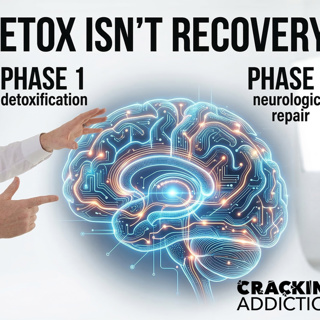
Addiction neuroscience, dopamine, cravings: detox ends withdrawal, but it does not end addiction.The MythA common myth in addiction recovery is that once detox is over, the problem is solved. Many peo...

18 Mar 5min
Relapse Happens to Everyone: Here's the Science Why - Addiction Basics 06

Relapse Happens to Everyone: Here's the Science Why - Addiction Basics 06

Dr. Fergal Armstrong reframes relapse in addiction, explaining why it's not a personal failure but a common part of the recovery journey, comparable to chronic illnesses. Understanding the neuroscienc...

11 Mar 5min
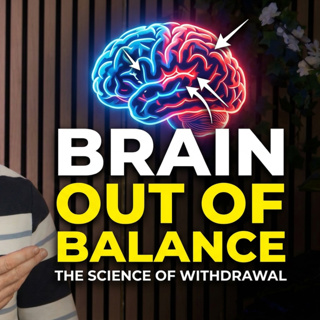
The Science of Withdrawal: What's Actually Happening? - Addiction Basics #5

The Science of Withdrawal: What's Actually Happening? - Addiction Basics #5

Withdrawal is one of the most feared parts of addiction recovery.But neuroscience shows something important:Withdrawal isn’t a failure of willpower — it’s the brain restoring balance after long-term c...

4 Mar 5min

Addiction vs Dependence vs Tolerance: The Critical Medical Difference

Addiction vs Dependence vs Tolerance: The Critical Medical Difference

🚨 TOLERANCE ≠ ADDICTION 🚨Most people — even healthcare professionals — use these terms incorrectly.And that confusion is hurting patients.In this episode, we break down:🧠 The real definition of add...

25 Feb 5min

Why Buprenorphine Is Safer Than Full Opioid Agonists

Why Buprenorphine Is Safer Than Full Opioid Agonists

Most people think methadone is the only real option for opioid addiction.Wrong.Buprenorphine — especially long-acting injectable depot — is flipping the entire system upside down.No daily pharmacy vis...

23 Feb 28min

How Cravings Work: Limbic System vs Prefrontal Cortex - Addiction Basics EP3

How Cravings Work: Limbic System vs Prefrontal Cortex - Addiction Basics EP3

Addiction neuroscience explains why wanting to quit isn’t the same as being able to quit. Dopamine reshapes the brain’s reward system.In Episode 3 of Addiction Basics, we tackle one of the most painfu...

18 Feb 6min
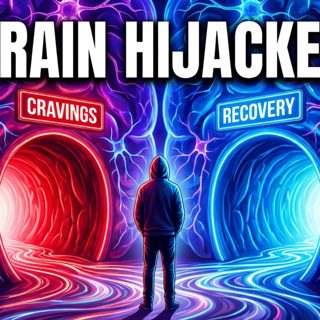
Dopamine and Addiction: The Science of Cravings - Addiction Basics EP2

Dopamine and Addiction: The Science of Cravings - Addiction Basics EP2

Addiction neuroscience explained. Dopamine, cravings, brain recovery, and neuroplasticity — backed by research.If you’ve ever wondered how addiction works in the brain, this is the science most people...

12 Feb 6min

Populært innen Helse

lydartikler-fra-aftenposten
fastlegen
hvordan-har-du-det-mann
rss-gukild-johaug
psykodrama
leger-om-livet
rss-garne-damer
relasjonspodden-med-dora-thorhallsdottir-kjersti-idem
foreldreradet
bak-fasaden-en-reise-i-livet-med-sykepleier-ine
morten-ramm-lar-kakla-ga-til-du-sovner
rss-lopedrommen
klimaks
hjernesterk
hormonelle-frida
rss-sunn-okonomi
sinnsyn
g-punktet
helsetipspodden
hverdagspsyken