Understanding Alcohol Withdrawal: Timing, Symptoms, and Treatments

Understanding Alcohol Withdrawal: Timing, Symptoms, and Treatments

In the latest episode of "Cracking Addiction," Dr Ferghal continues the journey with Dr Richard, exploring the critical subject of alcohol withdrawal. This episode is particularly focused on the timings, the natural history of withdrawal symptoms, and the potential complications faced during alcohol detoxification. The discourse provides key insights on when symptoms typically appear, ranging from mild to severe cases, and discusses methods of intervention based on the severity of withdrawal symptoms.

**Learning Outcomes:**

1. **Understanding the Onset of Alcohol Withdrawal:** This episode helps listeners grasp the variable onset of alcohol withdrawal symptoms which can appear from 12 to 24 hours after the last drink. Ferghal and Richard explain the concept of 'day two' of withdrawal, enhancing understanding of the physiological changes happening in the body during this time.


2. **Risk Factors and Complications:** The conversation thoroughly covers potential complications, such as seizures and delirium tremens. It emphasizes the importance of recognizing past withdrawal histories and comorbidities that heighten withdrawal complications, which proves crucial for healthcare providers in assessing risk.


3. **Ethical and Effective Treatment Strategies:** Highlighting the dangers of protocol-driven approaches in detoxification settings, Richard points out the importance of tailored treatment plans. They discuss the use of diazepam to manage symptoms effectively and the strategies to mitigate risks such as 'kindling.'


4. **Proper Management of Seizures and Delirium:** Key strategies for managing severe withdrawal symptoms like seizures and delirium tremens (DTs) are elaborated on, including the avoidance of certain medications and the focus on benzodiazepine regulation.


**Actionable Takeaways:**


1. **Recognise the Early Signs:** Listeners are encouraged to identify early withdrawal symptoms to initiate timely treatment, potentially preventing the escalation towards more severe complications such as DTs.


2. **Avoid High-Protocol Rigidity:** The importance of flexibility in treatment protocols was underscored, stressing individual patient needs over rigid guidelines, which might prevent effective symptom management.


3. **Prepare For Seizure Management:** Understanding that alcohol withdrawal seizures could peak around 24 hours post-last ingestion, healthcare providers should monitor and adjust benzodiazepine dosages accordingly.


4. **Psychosocial Aspects of Withdrawal:** Addressing withdrawal is not just about managing physical symptoms but also involves supporting the patient’s psychological well-being to enhance recovery success rates.

Episoder(238)

Dopamine, Relapse, and Recovery: Why Addiction Needs Long-Term Management

Dopamine, Relapse, and Recovery: Why Addiction Needs Long-Term Management

A lot of people still think addiction recovery is just about willpower.But addiction neuroscience tells a different story: dopamine, the reward system, and relapse risk all help explain why recovery o...

25 Mar 5min
Why You Can Be Detoxed and Still Addicted

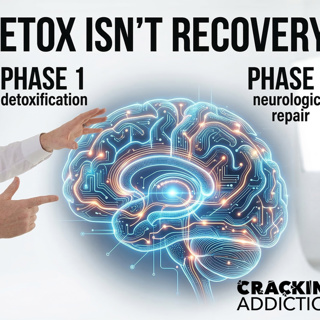
Why You Can Be Detoxed and Still Addicted

Addiction neuroscience, dopamine, cravings: detox ends withdrawal, but it does not end addiction.The MythA common myth in addiction recovery is that once detox is over, the problem is solved. Many peo...

18 Mar 5min
Relapse Happens to Everyone: Here's the Science Why - Addiction Basics 06

Relapse Happens to Everyone: Here's the Science Why - Addiction Basics 06

Dr. Fergal Armstrong reframes relapse in addiction, explaining why it's not a personal failure but a common part of the recovery journey, comparable to chronic illnesses. Understanding the neuroscienc...

11 Mar 5min
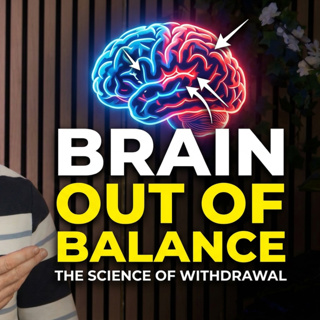
The Science of Withdrawal: What's Actually Happening? - Addiction Basics #5

The Science of Withdrawal: What's Actually Happening? - Addiction Basics #5

Withdrawal is one of the most feared parts of addiction recovery.But neuroscience shows something important:Withdrawal isn’t a failure of willpower — it’s the brain restoring balance after long-term c...

4 Mar 5min

Addiction vs Dependence vs Tolerance: The Critical Medical Difference

Addiction vs Dependence vs Tolerance: The Critical Medical Difference

🚨 TOLERANCE ≠ ADDICTION 🚨Most people — even healthcare professionals — use these terms incorrectly.And that confusion is hurting patients.In this episode, we break down:🧠 The real definition of add...

25 Feb 5min

Why Buprenorphine Is Safer Than Full Opioid Agonists

Why Buprenorphine Is Safer Than Full Opioid Agonists

Most people think methadone is the only real option for opioid addiction.Wrong.Buprenorphine — especially long-acting injectable depot — is flipping the entire system upside down.No daily pharmacy vis...

23 Feb 28min

How Cravings Work: Limbic System vs Prefrontal Cortex - Addiction Basics EP3

How Cravings Work: Limbic System vs Prefrontal Cortex - Addiction Basics EP3

Addiction neuroscience explains why wanting to quit isn’t the same as being able to quit. Dopamine reshapes the brain’s reward system.In Episode 3 of Addiction Basics, we tackle one of the most painfu...

18 Feb 6min
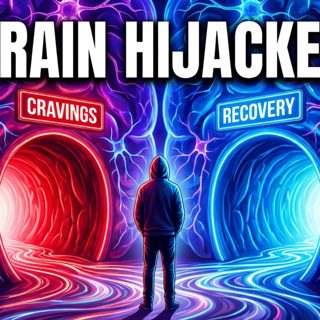
Dopamine and Addiction: The Science of Cravings - Addiction Basics EP2

Dopamine and Addiction: The Science of Cravings - Addiction Basics EP2

Addiction neuroscience explained. Dopamine, cravings, brain recovery, and neuroplasticity — backed by research.If you’ve ever wondered how addiction works in the brain, this is the science most people...

12 Feb 6min

Populært innen Helse

lydartikler-fra-aftenposten
fastlegen
hvordan-har-du-det-mann
rss-gukild-johaug
psykodrama
leger-om-livet
rss-garne-damer
relasjonspodden-med-dora-thorhallsdottir-kjersti-idem
foreldreradet
bak-fasaden-en-reise-i-livet-med-sykepleier-ine
morten-ramm-lar-kakla-ga-til-du-sovner
rss-lopedrommen
klimaks
hjernesterk
hormonelle-frida
rss-sunn-okonomi
sinnsyn
g-punktet
helsetipspodden
hverdagspsyken