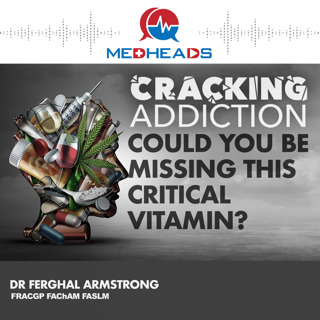
Could You Be Missing This Critical Vitamin?

Could You Be Missing This Critical Vitamin?

In this episode, Dr Ferghal Armstrong and Dr Richard Bradlow unpack the complex relationship between alcohol, thiamine deficiency, and the severe neurological condition Wernicke’s encephalopathy. Ferghal opens by questioning long-held beliefs about alcohol’s direct effects on thiamine absorption, while Richard provides a contextual understanding of the symptomatic manifestations. The discussion touches on the practicalities of diagnosing and treating thiamine deficiency, focusing particularly on clinical scenarios where immediate action can prevent irreversible damage.

**Learning Outcomes**

1. **Understanding Thiamine Deficiency and Alcohol Use**


- Thiamine deficiency is commonly seen in individuals with alcohol use disorders due to poor diet, liver damage, and compromised gut integrity. Ferghal emphasises that alcohol does not directly reduce thiamine but affects its absorption and storage indirectly.


- Recognise the critical symptoms of thiamine deficiency: Ataxia, ophthalmoplegia, and confusion. Richard shares that only 10% of individuals present with the classic triad, stressing the need for a low threshold in administering thiamine.


- Ferghal reveals that thiamine is stored in the liver, with approximately 20-30 milligrams available. Without replenishment, these levels deplete quickly, making regular intake essential.


2. **Diagnosis and Management**


- Learn to assess risk factors beyond alcohol consumption. Richard suggests evaluating diet, liver health, and any conditions that hamper gut absorption.


- Understand the importance of high-dose, parenteral thiamine administration in suspected cases of Wernicke’s encephalopathy. This prevents irreversible neuronal damage, particularly in the cerebellum and midbrain.


- Find out why rapid thiamine delivery is critical. Ferghal explains that alcohol withdrawal demands a higher energy output, which depletes thiamine stores faster, precipitating encephalopathy.


3. **Preventative Measures and Harm Reduction**


- Recognise the importance of thiamine supplements for those engaging in hazardous drinking, even if not experiencing withdrawal. Richard advocates for over-the-counter vitamin B1 tablets, taken multiple times daily for optimal absorption.


- Explore how diet can play a crucial role in preventing thiamine deficiency. Liver, cereals, and fortified foods are excellent sources of thiamine, as Ferghal points out.


- Koraskoff’s syndrome is an irreversible consequence of untreated thiamine deficiency. It leads to significant memory deficits and an ataxic gait, which underscores the need for timely intervention.


**Actionable Takeaways**


1. **Routine Screening for Thiamine Deficiency**


- Incorporate routine screening for thiamine deficiency in patients with alcohol use disorder. Ferghal and Richard highlight this as a vital practice to prevent conditions like Wernicke’s encephalopathy and Korsakoff syndrome.


- Develop a checklist for evaluating risk factors, including dietary patterns, liver function, and gut health issues.


- Push for early intervention even with subclinical symptoms. Ferghal stresses the colossal benefits of early detection and treatment.


2. **Educate on Thiamine Supplementation**


- Ensure patients receive clear instructions on thiamine supplementation. Richard recommends oral vitamin B1, taken in divided doses throughout the day.


- Cultural and dietary recommendations should include foods rich in thiamine, like liver and fortified cereals.


- Advocate for harm reduction strategies that include vitamin supplements. Ferghal points out this can significantly reduce the risk of severe neurological...

Episoder(238)

Dopamine, Relapse, and Recovery: Why Addiction Needs Long-Term Management

Dopamine, Relapse, and Recovery: Why Addiction Needs Long-Term Management

A lot of people still think addiction recovery is just about willpower.But addiction neuroscience tells a different story: dopamine, the reward system, and relapse risk all help explain why recovery o...

25 Mar 5min
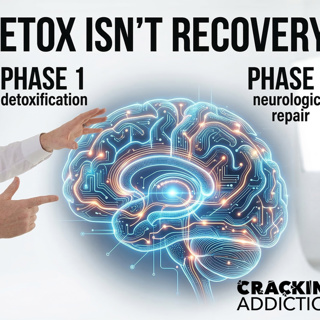
Why You Can Be Detoxed and Still Addicted

Why You Can Be Detoxed and Still Addicted

Addiction neuroscience, dopamine, cravings: detox ends withdrawal, but it does not end addiction.The MythA common myth in addiction recovery is that once detox is over, the problem is solved. Many peo...

18 Mar 5min
Relapse Happens to Everyone: Here's the Science Why - Addiction Basics 06

Relapse Happens to Everyone: Here's the Science Why - Addiction Basics 06

Dr. Fergal Armstrong reframes relapse in addiction, explaining why it's not a personal failure but a common part of the recovery journey, comparable to chronic illnesses. Understanding the neuroscienc...

11 Mar 5min
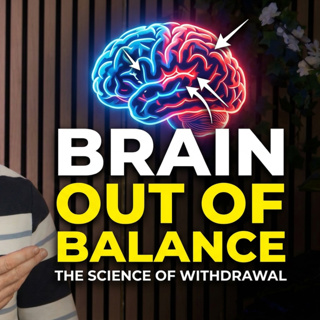
The Science of Withdrawal: What's Actually Happening? - Addiction Basics #5

The Science of Withdrawal: What's Actually Happening? - Addiction Basics #5

Withdrawal is one of the most feared parts of addiction recovery.But neuroscience shows something important:Withdrawal isn’t a failure of willpower — it’s the brain restoring balance after long-term c...

4 Mar 5min

Addiction vs Dependence vs Tolerance: The Critical Medical Difference

Addiction vs Dependence vs Tolerance: The Critical Medical Difference

🚨 TOLERANCE ≠ ADDICTION 🚨Most people — even healthcare professionals — use these terms incorrectly.And that confusion is hurting patients.In this episode, we break down:🧠 The real definition of add...

25 Feb 5min

Why Buprenorphine Is Safer Than Full Opioid Agonists

Why Buprenorphine Is Safer Than Full Opioid Agonists

Most people think methadone is the only real option for opioid addiction.Wrong.Buprenorphine — especially long-acting injectable depot — is flipping the entire system upside down.No daily pharmacy vis...

23 Feb 28min

How Cravings Work: Limbic System vs Prefrontal Cortex - Addiction Basics EP3

How Cravings Work: Limbic System vs Prefrontal Cortex - Addiction Basics EP3

Addiction neuroscience explains why wanting to quit isn’t the same as being able to quit. Dopamine reshapes the brain’s reward system.In Episode 3 of Addiction Basics, we tackle one of the most painfu...

18 Feb 6min
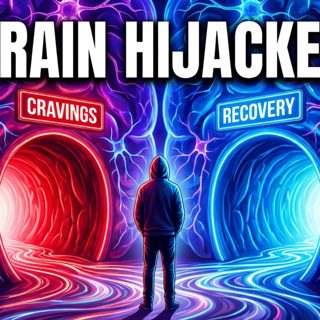
Dopamine and Addiction: The Science of Cravings - Addiction Basics EP2

Dopamine and Addiction: The Science of Cravings - Addiction Basics EP2

Addiction neuroscience explained. Dopamine, cravings, brain recovery, and neuroplasticity — backed by research.If you’ve ever wondered how addiction works in the brain, this is the science most people...

12 Feb 6min

Populært innen Helse

lydartikler-fra-aftenposten
fastlegen
hvordan-har-du-det-mann
rss-gukild-johaug
psykodrama
leger-om-livet
rss-garne-damer
relasjonspodden-med-dora-thorhallsdottir-kjersti-idem
foreldreradet
bak-fasaden-en-reise-i-livet-med-sykepleier-ine
morten-ramm-lar-kakla-ga-til-du-sovner
rss-lopedrommen
klimaks
hjernesterk
hormonelle-frida
rss-sunn-okonomi
sinnsyn
g-punktet
helsetipspodden
hverdagspsyken