Synthetic Drugs You Never Knew Existed

Synthetic Drugs You Never Knew Existed

Are you curious about the hidden dangers lurking in the world of synthetic opioids? In this episode of "Cracking Addiction," Dr Ferghal Armstrong sits down with the incredible Prof. Suzanne Neilsen, Deputy Director of the Monash Addiction Research Centre, to dive deep into the chilling rise of nitazenes in Australia. As high-potency synthetic opioids, nitazenes are causing waves of concern, and their impact could be closer to home than you think.

What's a nitazene, you ask? These potent synthetic opioids came into existence through pharmaceutical research in the 1950s but are now making a perilous comeback in the illicit drug scene. As Suzanne and I chat, we unravel why these forgotten compounds are suddenly re-emerging and the harrowing effects they have, particularly respiratory depression. Also, did you know that nitazine contamination could be lurking in various recreational drugs like MDMA or ketamine, posing a lethal threat unexpectedly?


But don't just take my word for it—watch the video and have your questions answered by one of Australia’s leading experts in addiction research. Prof. Neilsen steps us through the nuances of these dangerous compounds, their presence in recreational drugs, and the life-saving importance of naloxone for overdose reversals.


**Learning Outcomes:**


1. **Understanding Nitazines:**


- Learn about Nitazenes, their chemical structure, and why they are considered highly potent opioids.

- Suzanne reveals that although they were initially developed for potential therapeutic uses, their severe side effects, including significant respiratory depression, halted their progress.

- Discover the historical context that has led to their re-emergence in the illicit drug scene.

- Recognise the distinction between different types of Nitazenes and their varying potencies and half-lives.


2. **Risk Awareness and Harm Reduction:**

- Understand the risks associated with Nitazene contamination in various illicit drugs, such as MDMA, ketamine, and cocaine.

- Gain insights into how synthetic opioids like Nitazenes and fentanyl increase the danger of overdose due to their potency and rapid onset.

- Develop awareness of the “sloppy drug dealer” theory and its implications for contamination.

- Learn about the broadening need for harm reduction initiatives that address not just opioid users but anyone using illicit drugs.


3. **Importance of Naloxone:**

- Comprehend the role of naloxone in reversing opioid overdoses, even caused by potent synthetic opioids like Nitazenes.

- Learn about the potentially higher doses of naloxone required to reverse nitazene-induced overdoses.

- Understand the importance of having multiple doses of naloxone on hand and the implications for stocking it in harm reduction services.

- Recognise the balance needed in administering naloxone to avoid severe withdrawal symptoms in patients.


**Actionable Takeaways:**


1. **Increasing Awareness and Education:**

- Educate yourself and your community about the dangers of synthetic opioids like nitazenes.

- If you’re in a position to influence policy, advocate for expanding drug-checking services to help identify contaminants before use.

- Spread the word about the importance of having naloxone readily available, especially in communities at risk.

- Support initiatives that provide harm reduction training to a broad audience, including those who might not identify as opioid users.


2. **Advocating for Harm Reduction Services:**

- Push for the establishment and funding of drug checking services in all states and territories, not just limited areas.

- Encourage local governments and organisations to support evidence-based harm reduction services.

- Participate in or initiate community...

Episoder(238)

Dopamine, Relapse, and Recovery: Why Addiction Needs Long-Term Management

Dopamine, Relapse, and Recovery: Why Addiction Needs Long-Term Management

A lot of people still think addiction recovery is just about willpower.But addiction neuroscience tells a different story: dopamine, the reward system, and relapse risk all help explain why recovery o...

25 Mar 5min
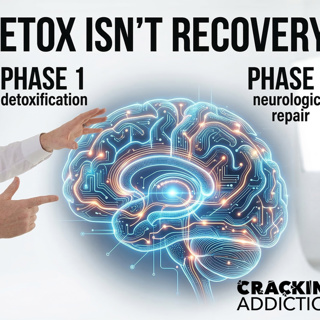
Why You Can Be Detoxed and Still Addicted

Why You Can Be Detoxed and Still Addicted

Addiction neuroscience, dopamine, cravings: detox ends withdrawal, but it does not end addiction.The MythA common myth in addiction recovery is that once detox is over, the problem is solved. Many peo...

18 Mar 5min
Relapse Happens to Everyone: Here's the Science Why - Addiction Basics 06

Relapse Happens to Everyone: Here's the Science Why - Addiction Basics 06

Dr. Fergal Armstrong reframes relapse in addiction, explaining why it's not a personal failure but a common part of the recovery journey, comparable to chronic illnesses. Understanding the neuroscienc...

11 Mar 5min
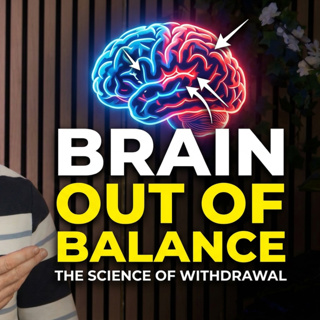
The Science of Withdrawal: What's Actually Happening? - Addiction Basics #5

The Science of Withdrawal: What's Actually Happening? - Addiction Basics #5

Withdrawal is one of the most feared parts of addiction recovery.But neuroscience shows something important:Withdrawal isn’t a failure of willpower — it’s the brain restoring balance after long-term c...

4 Mar 5min

Addiction vs Dependence vs Tolerance: The Critical Medical Difference

Addiction vs Dependence vs Tolerance: The Critical Medical Difference

🚨 TOLERANCE ≠ ADDICTION 🚨Most people — even healthcare professionals — use these terms incorrectly.And that confusion is hurting patients.In this episode, we break down:🧠 The real definition of add...

25 Feb 5min

Why Buprenorphine Is Safer Than Full Opioid Agonists

Why Buprenorphine Is Safer Than Full Opioid Agonists

Most people think methadone is the only real option for opioid addiction.Wrong.Buprenorphine — especially long-acting injectable depot — is flipping the entire system upside down.No daily pharmacy vis...

23 Feb 28min

How Cravings Work: Limbic System vs Prefrontal Cortex - Addiction Basics EP3

How Cravings Work: Limbic System vs Prefrontal Cortex - Addiction Basics EP3

Addiction neuroscience explains why wanting to quit isn’t the same as being able to quit. Dopamine reshapes the brain’s reward system.In Episode 3 of Addiction Basics, we tackle one of the most painfu...

18 Feb 6min
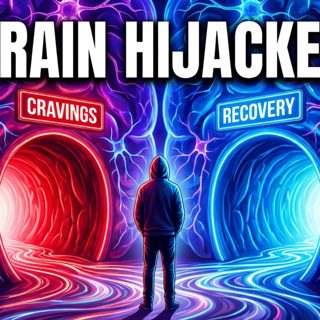
Dopamine and Addiction: The Science of Cravings - Addiction Basics EP2

Dopamine and Addiction: The Science of Cravings - Addiction Basics EP2

Addiction neuroscience explained. Dopamine, cravings, brain recovery, and neuroplasticity — backed by research.If you’ve ever wondered how addiction works in the brain, this is the science most people...

12 Feb 6min

Populært innen Helse

lydartikler-fra-aftenposten
fastlegen
hvordan-har-du-det-mann
rss-gukild-johaug
psykodrama
leger-om-livet
rss-garne-damer
relasjonspodden-med-dora-thorhallsdottir-kjersti-idem
foreldreradet
bak-fasaden-en-reise-i-livet-med-sykepleier-ine
morten-ramm-lar-kakla-ga-til-du-sovner
rss-lopedrommen
klimaks
hjernesterk
hormonelle-frida
rss-sunn-okonomi
sinnsyn
g-punktet
helsetipspodden
hverdagspsyken