

Martha Gimbel on the Impact of AI and the Trade War on Labor Markets
Martha Gimbel is the executive director and co-founder of the Budget Lab at Yale. In Martha's first appearance on the show, she discusses the missing BLS job market data, the consequences of losing two months of labor market data, the impact of AI on the labor market in the short and long term, why it is hard to determine which job sectors AI will impact first, why people will keep learning foreign languages, the future impact tariffs will have on the economy, why US treasuries might get left for the hometown guy in a Hallmark Christmas movie, and much more. Check out the transcript for this week's episode, now with links. Recorded on November 19th, 2025 Subscribe to David's Substack: Macroeconomic Policy Nexus Follow David Beckworth on X: @DavidBeckworth Follow Martha on X: @MarthaGimbel Follow the show on X: @Macro_Musings Check out our Macro Musings merch! Subscribe to David's new BTS YouTube Channel Timestamps 00:00:00 - Intro 00:01:48 - The Budget Lab at Yale 00:05:34 - Missing Government Data 00:14:21 - Artificial Intelligence 00:44:49 - Trade Wars 00:54:51 - Outro
15 Des 55min
Laurence Bristow on What the Fed can Learn from the Reserve Bank of Australia
Laurence Bristow is a former staffer at the Reserve Bank of Australia and currently is a Vice President and Research Associate at the Bank Policy Institute. In Laurence's first appearance on the show, he discusses the differences between the Reserve Bank of Australia and the Fed, The RBA's change in operating systems, what a demand driven system actually looks like, the motivation for the RBA to make this change, calls for changes to the operating system within the Fed, and much more. Check out the transcript for this week's episode, now with links. Recorded on November 20th, 2025 Subscribe to David's Substack: Macroeconomic Policy Nexus Follow David Beckworth on X: @DavidBeckworth Follow the show on X: @Macro_Musings Check out our Macro Musings merch! Subscribe to David's new BTS YouTube Channel Timestamps 00:00:00 - Intro 00:01:22 - Laurie's Career 00:05:15 - Reserve Bank of Australia 00:11:33 - RBA's New Monetary Policy Implementation System 00:17:28 - What Is a Demand-Driven System? 00:26:02 - Interbank Market 00:31:33 - Motivations for a Demand-Driven System 00:40:10 - Bank Policy Institute Money Market Symposium 00:52:36 - Outro
8 Des 53min
Austin Campbell on the Rise and Regulation of Dollar Backed Stablecoins
Austin Campbell runs Zero Knowledge Group, a consulting and advising firm in the digital assets space and is an adjunct professor at New York University's Stern School of Business. In Austin's first appearance on the show, he discusses what comes next after the GENIUS Act, the debate with interest-on-reserves when it comes to stablecoins, the future of Tether, Governor Waller's proposal of skinny master accounts, the larger macro implications of stablecoins in Europe and the global South, and much more. Check out the transcript for this week's episode, now with links. Recorded on November 14th, 2025 Subscribe to David's Substack: Macroeconomic Policy Nexus Follow David Beckworth on X: @DavidBeckworth Follow Austin on X: @CampbellJAustin Follow the show on X: @Macro_Musings Check out our Macro Musings merch! Subscribe to David's new BTS YouTube Channel Timestamps 00:00:00 - Intro 00:01:38 - Austin's Career 00:04:10 - What Comes After GENIUS? 00:7:26 - Interest and Stablecoins 00:12:30 - Tokenized Deposits 00:17:01 - Future of Tether 00:29:27 - Skinny Master Account 00:35:23 - Stablecoin Regulation 00:48:46 - Macro Implications 00:54:58 - Future of the Financial System 00:57:58 - Outro
1 Des 58min
Lukasz Rachel on Non-Ricardian Macroeconomic Policy and Its Implications for Inflation
Lukasz Rachel is a former Bank of England economist and currently is an assistant professor of economics at the University College of London. In Lukasz's first appearance on the show he discusses his big career breaks, the implications of secular stagnation in the industrialized world, what is next for R-star, what non-Ricardian macro policy looks like, his policy prescriptions for the US, and much more. Check out the transcript for this week's episode, now with links. Recorded on October 29th, 2025 Subscribe to David's Substack: Macroeconomic Policy Nexus Follow David Beckworth on X: @DavidBeckworth Follow Lukasz on X: @LukaszRachel Follow the show on X: @Macro_Musings Check out our Macro Musings merch! Subscribe to David's new BTS YouTube Channel Timestamps 00:00:00 - Intro 00:01:42 - Lukasz's Career 00:07:30 - Secular Stagnation in the Industrialized World 00:21:08 - What Next for R-Star? 00:36:11 - Brothers in Arms: Monetary-Fiscal Interactions 00:49:53 - Policy Recommendations 00:51:03 - Outro
17 Nov 51min
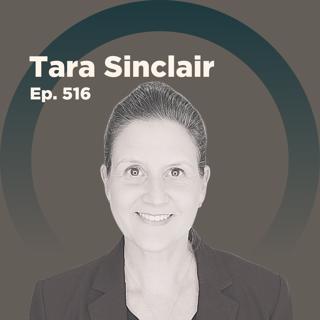
Tara Sinclair on Building a Synthetic FOMC Through AI
Tara Sinclair is a professor and chair of the economics department at George Washington University. Tara returns to the show to discuss her ambitious paper simulating an FOMC meeting before it happens with LLM models, the process of building sim FOMC members, the importance of publicly funding economic data, the future of AI and macroeconomics, and much more. Check out the transcript for this week's episode, now with links. Recorded on October 27th, 2025 Subscribe to David's Substack: Macroeconomic Policy Nexus Follow David Beckworth on X: @DavidBeckworth Follow Tara on X: @TaraSinc Follow the show on X: @Macro_Musings Check out our Macro Musings merch! Subscribe to David's new BTS YouTube Channel Timestamps 00:00:00 - Intro 00:01:44 - Data and Policymaking 00:05:28 - Federal Forecasters Conference 00:08:01 - FOMC in Silico 00:32:56 - Future Applications 00:38:29 - Broader Implications 00:42:57 - Central Bank Governance and AI 00:51:40 - Outro
10 Nov 52min
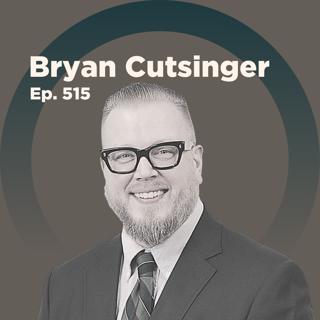
Bryan Cutsinger on the What the History of Growth Driven Deflation Can Teach us about a Potential AI Boom
Bryan Cutsinger is a monetary historian and an assistant professor of economics at Florida Atlantic University. Bryan returns to the show to discuss how we think about deflation, the history of growth driven deflation, the connection between the postbellum period and today, the potential of rapid productivity growth from AI, and much more. Check out the transcript for this week's episode, now with links. Recorded on September 23rd, 2025 Subscribe to David's Substack: Macroeconomic Policy Nexus Follow David Beckworth on X: @DavidBeckworth Follow Bryan on X: @BryanPCutsinger Follow the show on X: @Macro_Musings Check out our Macro Musings merch! Subscribe to David's new BTS YouTube Channel Timestamps 00:00:00 - Intro 00:04:41 - Rethinking Deflation 00:35:48 - Rapid Productivity Growth from AI 00:46:35 - Tolerating Deflation 00:55:28 - Outro
3 Nov 56min
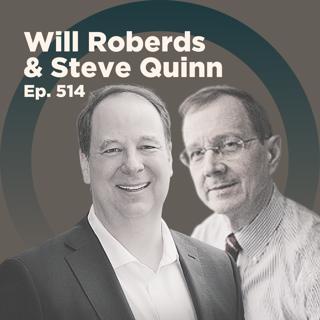
Will Roberds and Steve Quinn on the Original Central Bank: the Bank of Amsterdam
Will Roberds is an economist emeritus of the research department of the Federal Reserve Bank of Atlanta. Steve Quinn is a professor of economics at Texas Christian University. In Will and Steve's first appearance on the show they discuss the historical significance of the Bank of Amsterdam, The use of ledger at the Bank of Amsterdam, It's use of repo and open market operations, it's connection to central banking today, and much more. Check out the transcript for this week's episode, now with links. Recorded on September 23rd, 2025 Subscribe to David's Substack: Macroeconomic Policy Nexus Follow David Beckworth on X: @DavidBeckworth Follow the show on X: @Macro_Musings Check out our Macro Musings merch! Subscribe to David's new BTS YouTube Channel Timestamps 00:00:00 - Intro 00:00:53 - Bank of Amsterdam 00:10:31 - Bank of Amsterdam's Ledger 00:32:09 - Motivations 00:36:49 - Seven Years' War 00:40:53 - The Repo Versus the Open Market 00:56:30 - Outro
27 Okt 57min