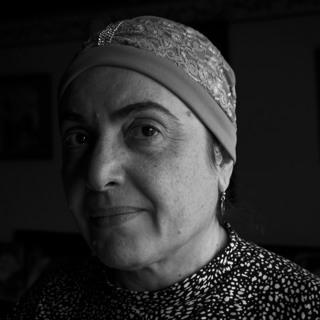
Nakba #41 - Lubna Alian al-Hissi

Nakba #41 - Lubna Alian al-Hissi

”My parents lived in Hiribya. Two of my paternal uncles took part in the resistance when the Israelis attacked in 1948. One of my uncles was surrounded by Israeli soldiers when he returned to the house to collect some belongings. They shot him. Hiribya was occupied and my parents were expelled to Gaza and the Beach Camp. My maternal grandfather was also active. In 1972 he was arrested and subjected to severe torture for a month. He never confessed to anything, so in the end they were forced to release him. I remember the day he was released. He could not walk. I was nine years old, and I felt hatred toward the occupying power for several reasons. First and foremost: in 1948 they took our land and expelled our people. Second: they attacked Gaza and the West Bank in 1967. Third: four of my maternal uncles were imprisoned; one of them spent 26 years in prison. His son was killed in a rocket attack in Gaza. Fourth: they murdered another of my maternal uncles and two of his sons, also in a rocket attack in Gaza. Fifth: all Palestinians are subjected to this oppression. When I was 20, I joined a women’s organization. We organized lectures on Palestinian history. The Israelis did not like that. I was summoned many times to the security service, Shabak, for interrogation. Later I became a leader of the Popular Front for the Liberation of Palestine (PFLP) in Gaza. This was during the first Intifada, in 1987. The first time I was arrested was on December 14, 1987, one week after the Intifada began. I was detained for two weeks. I was given only a piece of bread a day and weak tea. I was forced to share a cell with a group of criminals. They were dangerous and frightened me. They took drugs and became agitated. I kept to myself and hardly slept for 14 days. During that time the guards threatened me with long prison sentences, with deportation, and with punishing my family. After two weeks I was released on bail pending trial. But there was never any trial. After five months I was arrested again. This time I was held for six months in Neve Tirtza women’s prison in Ramle, without trial. We were 36 Palestinian women divided into six rooms. After two months our situation became extremely bad. We were not allowed to read books or gather with the other women. When family members came to visit, they were forced to strip naked for searches. Mothers were not allowed to hug their children; they were separated by a glass wall. In my ward there were also criminal Jewish women. Every time we were taken out for exercise, they beat us and poured hot water on us. If we became ill, we were never given medical care. The only thing they gave us was Alvedon (paracetamol), regardless of the problem. One woman had difficulty urinating. After two days her stomach was swollen and she screamed in pain constantly. They refused to call a doctor. Only after we protested loudly did they finally send her to hospital. Another woman was psychologically unwell. She discovered that she was pregnant. When the guards learned this, they demanded that she have an abortion. When she refused, they gave her pills that caused a miscarriage. After six months I was released, in exchange for payment, but without any trial. I resumed the struggle against the occupation. In 2005 Hamas won the election in Gaza. Since then there have been four wars: 2005, 2008, 2014, and 2022. And unfortunately, I believe there will be a fifth war. I came to Sweden in 2005. My body is here, but my thoughts are in Gaza. If I were allowed to return to Palestine, I would first visit my family in Gaza, then al-Aqsa Mosque, and third Hiribya, my parents’ birthplace. I have very warm feelings for Hiribya, even though the Israelis destroyed the entire village—nothing remains. But when I was a girl in Gaza, my father rented a car every Friday and took us to Hiribya.

Avsnitt(315)

Det judiska Högalid #37 - Leif Zern

Det judiska Högalid #37 - Leif Zern

- Jag är född Leif Zernjaffsky 1939 på sommaren, vilket jag också hette när jag började i Sofia Folkskola på söder. Men sen förkortade familjen namnet på ett ganska typiskt sätt. Det blev alltid fel n...

13 Mars 1h 42min
Det judiska Högalid #36 - Håkan Forsell

Det judiska Högalid #36 - Håkan Forsell

Vid 1800-talets slut hade cirka 400 öst-judar invandrat till Sverige. Många bosatte sig på Söder, där det fanns många nedgångna och därmed billiga hyreslägenheter. Fattigt folk bytte ofta bostad, ibla...

6 Mars 1h 19min
Det judiska Högalid #35  - Här talas jiddisch!

Det judiska Högalid #35 - Här talas jiddisch!

Apropå förra veckans avsnitt med Leif Freilich har jag grävt fram en av min pappas gamla bandinspelningar. Pappa hade köpt en Grundig bandspelare, med ett grönt magiskt inspelningsöga, någon gång 1956...

27 Feb 8min
Nakba #60 - Mohamed Mahmoud Gadallah

Nakba #60 - Mohamed Mahmoud Gadallah

In 1946 I was working at the King David Hotel in al-Quds when the Irgun carried out a bombing against the southern wing. The British military had its headquarters there. I was in the hotel dining room...

25 Feb 56min
Det judiska Högalid #34 - Leif Freilich

Det judiska Högalid #34 - Leif Freilich

- Pappa fick en stroke och blev delvis förlamad när han var 73. Till slut blev det för tungt för mamma. Pappa kom till Rosenlunds sjukhus, där han låg länge innan han gick bort, säger Leif Freilich. H...

21 Feb 1h 28min
Nakba #59 - Hassan Ibrahim al-Najjar

Nakba #59 - Hassan Ibrahim al-Najjar

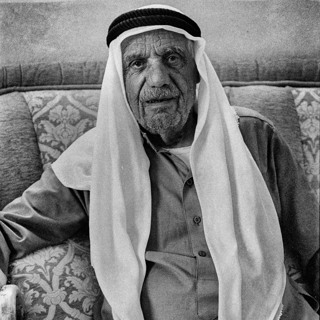
1948 “My father had binoculars that I was allowed to borrow. Through them I could see how the Zionists burned down the Bedouins’ tents on the outskirts of Ṭabariyya (Tiberias). Some of the Bedouins di...

21 Feb 34min
Det judiska Högalid #33 - Yosel Broide

Det judiska Högalid #33 - Yosel Broide

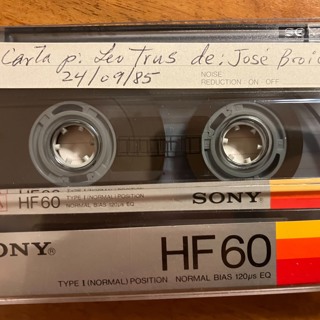
I avsnitt #31 av Det judiska Högalid berättade Herbert Trus att hans far, Lejb Trus, anslöt sig till partisanerna i skogarna utanför Bransk, efter den tyska ockupationen av delar av Polen, 1939. Histo...

20 Feb 21min
Det judiska Högalid #32 - Peter Haas

Det judiska Högalid #32 - Peter Haas

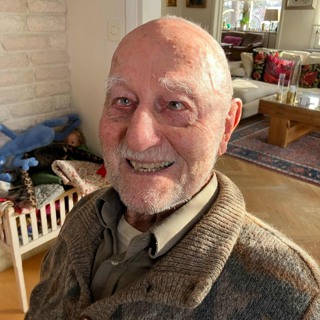
- Mina föräldrars äktenskap var inte lyckligt. Mamma fick tre barn med tre olika män, säger Peter Haas.

13 Feb 1h 36min

Populärt inom Utbildning

historiepodden-se
rss-bara-en-till-om-missbruk-medberoende-2
det-skaver
alska-oss
harrisons-dramatiska-historia
sektledare
nu-blir-det-historia
rss-viktmedicinpodden
johannes-hansen-podcast
roda-vita-rosen
allt-du-velat-veta
i-vantan-pa-katastrofen
rss-sjalsligt-avkladd
rss-max-tant-med-max-villman
rss-basta-livet
rss-om-vi-ska-vara-arliga
rikatillsammans-om-privatekonomi-rikedom-i-livet
rss-relationsrevolutionen
not-fanny-anymore
sa-in-i-sjalen