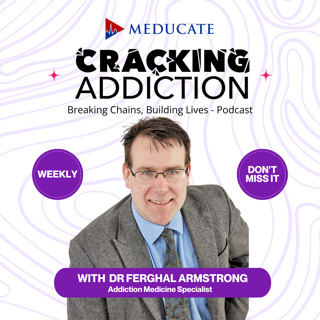
Keys to Early Recovery: Jesse Ball on Honesty and Support

Keys to Early Recovery: Jesse Ball on Honesty and Support

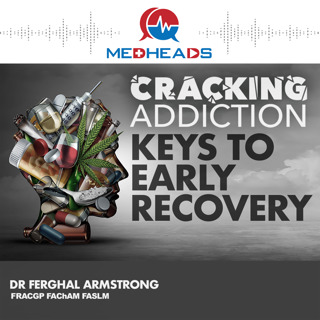
Dr. Ferghal Armstrong and Jesse Ball explore the foundational aspects of early recovery from addiction, highlighting the roles of honesty, support systems, and effective routines. Jesse shares how a no-nonsense, empathetic counsellor with lived experience catalysed his transformation. This episode delves deep into practical strategies to navigate the vulnerable early stages of sobriety and sustain long-term recovery. Listen in for invaluable lessons that go beyond recovery—these are life skills everyone should possess.

**Learning Outcomes and Actionable Takeaways:**


1. **Honesty and Vulnerability in Recovery:**


Jesse emphasises the pivotal role of being completely honest with his counsellor. The absence of judgement and the presence of lived experience created a safe space for Jesse to be vulnerable. By being open about his behaviours and feelings, Jesse was able to receive tailored, effective advice, which was instrumental in his recovery. Honesty not only builds trust but also catalyses tailored interventions essential for overcoming addiction.


2. **The Power of Support Systems:**


One of the most significant aspects of Jesse’s recovery was his willingness to listen to others who had walked the same path. Building relationships with those who have lived experience can provide crucial support and inspiration. During weak moments, reaching out to someone who understands your struggle can make all the difference. Jesse's experience underscores the importance of having a robust support network ready to offer reasoning when self-delusion creeps in.


3. **Establishing a Routine:**


Jesse’s disciplined approach to his daily routine played a critical role in his recovery. From morning walks to regular therapy sessions and meetings, a structured day helped him stay focused and avoid relapse. Incorporating simple, healthy habits like exercising, eating well, and staying occupied can support mental clarity and emotional stability. A consistent routine creates a sense of normalcy and purpose, essential in the tumultuous early stages of recovery.


4. **Cutting Ties with Negative Influences:**


Jesse made the tough but necessary decision to distance himself from his old friendship group, realising the importance of eliminating risky environments. This bold choice was driven by understanding that his life depended on his recovery. By only engaging in safe social interactions, Jesse minimised triggers and maximised his chances of staying sober. This teaches us the crucial lesson that prioritising health sometimes means making difficult choices about relationships.


5. **Proactive Planning for Crises:**


Jesse's proactive strategy to pre-empt and address moments of weakness was another key to his success. Knowing the likelihood of temptation, he ensured he had trusted individuals to call when those 'mind worms' started speaking. This preparedness to seek external voices of reason is critical in averting relapse. Planning for crises is an actionable step everyone in recovery should adopt, recognising that the path is fraught with moments requiring external reinforcement.


**Quote:**


*"Often, it's someone else's voice of reasoning during those really weak, vulnerable moments that can be the difference between success and failure."* – Jesse Ball.

Avsnitt(238)

Dopamine, Relapse, and Recovery: Why Addiction Needs Long-Term Management

Dopamine, Relapse, and Recovery: Why Addiction Needs Long-Term Management

A lot of people still think addiction recovery is just about willpower.But addiction neuroscience tells a different story: dopamine, the reward system, and relapse risk all help explain why recovery o...

25 Mars 5min

Why You Can Be Detoxed and Still Addicted

Why You Can Be Detoxed and Still Addicted

Addiction neuroscience, dopamine, cravings: detox ends withdrawal, but it does not end addiction.The MythA common myth in addiction recovery is that once detox is over, the problem is solved. Many peo...

18 Mars 5min

Relapse Happens to Everyone: Here's the Science Why - Addiction Basics 06

Relapse Happens to Everyone: Here's the Science Why - Addiction Basics 06

Dr. Fergal Armstrong reframes relapse in addiction, explaining why it's not a personal failure but a common part of the recovery journey, comparable to chronic illnesses. Understanding the neuroscienc...

11 Mars 5min

The Science of Withdrawal: What's Actually Happening? - Addiction Basics #5

The Science of Withdrawal: What's Actually Happening? - Addiction Basics #5

Withdrawal is one of the most feared parts of addiction recovery.But neuroscience shows something important:Withdrawal isn’t a failure of willpower — it’s the brain restoring balance after long-term c...

4 Mars 5min

Addiction vs Dependence vs Tolerance: The Critical Medical Difference

Addiction vs Dependence vs Tolerance: The Critical Medical Difference

🚨 TOLERANCE ≠ ADDICTION 🚨Most people — even healthcare professionals — use these terms incorrectly.And that confusion is hurting patients.In this episode, we break down:🧠 The real definition of add...

25 Feb 5min

Why Buprenorphine Is Safer Than Full Opioid Agonists

Why Buprenorphine Is Safer Than Full Opioid Agonists

Most people think methadone is the only real option for opioid addiction.Wrong.Buprenorphine — especially long-acting injectable depot — is flipping the entire system upside down.No daily pharmacy vis...

23 Feb 28min

How Cravings Work: Limbic System vs Prefrontal Cortex - Addiction Basics EP3

How Cravings Work: Limbic System vs Prefrontal Cortex - Addiction Basics EP3

Addiction neuroscience explains why wanting to quit isn’t the same as being able to quit. Dopamine reshapes the brain’s reward system.In Episode 3 of Addiction Basics, we tackle one of the most painfu...

18 Feb 6min

Dopamine and Addiction: The Science of Cravings - Addiction Basics EP2

Dopamine and Addiction: The Science of Cravings - Addiction Basics EP2

Addiction neuroscience explained. Dopamine, cravings, brain recovery, and neuroplasticity — backed by research.If you’ve ever wondered how addiction works in the brain, this is the science most people...

12 Feb 6min

Populärt inom Hälsa

somna-med-henrik
rss-bara-en-till-om-missbruk-medberoende-2
rss-jossan-nina
inga-beiga-morsor
alska-oss
not-fanny-anymore
rss-vuxna-pa-latsas
sexnoveller-deluxe
brottarbroder
johannes-hansen-podcast
angestpodden
rss-viktmedicinpodden
sova-med-dan-horning
sa-in-i-sjalen
rss-the-house-podcast-3
vinterpasset
tyngre-radio
rss-sjalsligt-avkladd
smartare-fitness-podden
sex-pa-riktigt-med-marika-smith