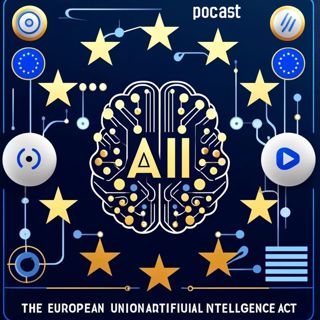
EU's AI Act: Gaps in Protecting Fundamental Rights Amidst Migration Control Efforts

EU's AI Act: Gaps in Protecting Fundamental Rights Amidst Migration Control Efforts

The European Union's highly anticipated Artificial Intelligence Act is drawing close scrutiny for its implications on various sectors, notably on migration control, and its potential impact on fundamental human rights. As the Act progresses through translation into enforceable legislation, one area under the microscope is how automated systems will be utilized in monitoring and controlling borders, an application seen as crucial yet fraught with ethical concerns.

Under the Artificial Intelligence Act, distinct classifications of artificial intelligence systems are earmarked for a tiered regulatory framework. Into this structure falls the utilization of artificial intelligence in migration oversight—systems that are capable of processing personal data at unprecedented scale and speed. However, as with any technology operating in such sensitive realms, the introduction of automated systems raises significant privacy and ethical questions, particularly regarding the surveillance of migrants.

The Act recognizes the sensitive nature of these technologies in its provision. It points out specifically the need for careful management of artificial intelligence tools that interface with individuals, often in vulnerable positions—such as refugees and asylum seekers. The stakes are exceptionally high, given that any bias or error in the handling of AI systems can lead to severe consequences for individuals' lives and fundamental rights.

Critics argue that while the legislation makes strides towards creating an over-arching European framework for AI governance, it stops short of providing robust mechanisms to ensure that the deployment of artificial intelligence in migration does not infringe on individual rights. There is a call for more explicit safeguards, greater transparency in the algorithms used, and stricter oversight on how data gathered through artificial intelligence is stored, used, and shared.

Specifically, concerns have been raised about 'automated decision-making', which in the context of border control can influence decisions on who gains entry or earns refugee status. Such decisions require nuance and human judgment, traits not typically associated with algorithms. Moreover, the potential for systemic biases encoded within artificial intelligence algorithms could disproportionately affect marginalized groups.

As the Artificial Intelligence Act moves towards adoption, amendments and advocacy from human rights groups focus on tightening these aspects of the legislation. They argue for the inclusion of more concrete provisions to address these risk areas, ensuring AI implementation in migration respects individual rights and adheres to the principles of fairness, accountability, and transparency.

In conclusion, while the Artificial Intelligence Act represents a significant forward step in the regulation of emergent technologies across Europe, its application in sensitive areas like migration control highlights the ongoing struggle to balance technological advancement with fundamental human rights. Moving forward, it will be crucial for the European Union to continuously monitor and refine these regulations, striving to protect individuals while harnessing the benefits that artificial intelligence can bring to society.

This content was created in partnership and with the help of Artificial Intelligence AI

Avsnitt(289)

Europe's AI Rulebook Gets Real: New Compliance Deadlines and the Ethics vs Speed Showdown

Europe's AI Rulebook Gets Real: New Compliance Deadlines and the Ethics vs Speed Showdown

Imagine this: it's early April 2026, and I'm huddled in a Berlin café, laptop glowing amid the hum of espresso machines, scrolling through the latest frenzy over the EU AI Act. Just days ago, on March...

2 Apr 3min

EU Delays High-Risk AI Rules Until 2027, Bans Non-Consensual Deepfake Nudifiers

EU Delays High-Risk AI Rules Until 2027, Bans Non-Consensual Deepfake Nudifiers

Imagine this: it's March 30, 2026, and I'm huddled in my Berlin apartment, screens glowing with the latest from Brussels, where the European Parliament just dropped a bombshell on the EU AI Act. Last ...

30 Mars 3min

EU Delays AI Crackdown While Banning Deepfake Nudes

EU Delays AI Crackdown While Banning Deepfake Nudes

Imagine this: it's late March 2026, and I'm huddled in a Brussels café, laptop glowing amid the clatter of espresso machines, as the European Parliament drops a bombshell on the EU AI Act. Just yester...

28 Mars 3min

EU Delays AI Act's Strictest Rules Until 2027, Giving Tech Giants and SMEs Crucial Breathing Room

EU Delays AI Act's Strictest Rules Until 2027, Giving Tech Giants and SMEs Crucial Breathing Room

Imagine this: it's March 26, 2026, and I'm huddled in my Berlin apartment, laptop glowing like a digital hearth, as the EU AI Act's latest drama unfolds. Just days ago, on March 19, the European Sting...

26 Mars 4min

EU AI Act Faces Major Overhaul: High-Risk Rules Delayed to 2027 as Europe Tightens Ban on Deepfake Nudity

EU AI Act Faces Major Overhaul: High-Risk Rules Delayed to 2027 as Europe Tightens Ban on Deepfake Nudity

Imagine this: it's March 23, 2026, and I'm huddled in my Berlin apartment, laptop glowing as notifications ping about the EU AI Act's latest twists. Just days ago, on March 18, the European Parliament...

23 Mars 3min

Europe's AI Rulebook Gets a Reality Check: Parliament Pushes Back Deadlines to Save Innovation

Europe's AI Rulebook Gets a Reality Check: Parliament Pushes Back Deadlines to Save Innovation

Imagine this: it's March 18, 2026, and I'm huddled in a Brussels café, laptop glowing amid the clatter of coffee cups, as news pings in from the European Parliament's Internal Market and Civil Liberti...

21 Mars 4min

EU Tightens AI Act Rules: High-Risk Systems Get 16-Month Extension, Nudifier Apps Banned Outright

EU Tightens AI Act Rules: High-Risk Systems Get 16-Month Extension, Nudifier Apps Banned Outright

Imagine this: it's March 19, 2026, and I'm huddled in a Brussels café, laptop glowing amid the clatter of espresso machines, dissecting the latest twists in the EU AI Act. Just yesterday, on March 18,...

19 Mars 3min

EU's AI Act Faces Make-or-Break Week: Will Business Pressure Defeat Deepfake Bans and Worker Protections?

EU's AI Act Faces Make-or-Break Week: Will Business Pressure Defeat Deepfake Bans and Worker Protections?

The European Union's artificial intelligence regulation is entering a critical inflection point, and what happens in the next seventy-two hours could reshape how the world's largest trading bloc gover...

16 Mars 3min

Populärt inom Business & ekonomi

framgangspodden
varvet
badfluence
rss-jossan-nina
rss-borsens-finest
svd-tech-brief
uppgang-och-fall
avanzapodden
rss-svart-marknad
borsmorgon
fill-or-kill
bathina-en-podcast
rss-inga-dumma-fragor-om-pengar
rss-dagen-med-di
24fragor
tabberaset
lastbilspodden
rss-kort-lang-analyspodden-fran-di
rss-den-nya-ekonomin
kapitalet-en-podd-om-ekonomi