The Science Behind "Leave the Leaves"

The Science Behind "Leave the Leaves"

Summary

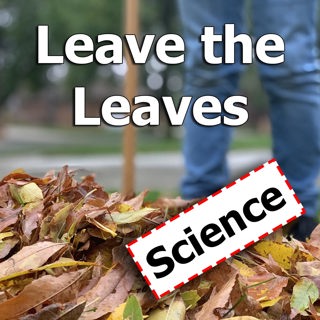
"Leave the leaves" has become an increasingly common mantra each fall. However, until recently little to no scientific research had been done to quantify impacts of leaving your leaves in a typical suburban yard. We discuss the results of that research and actionable steps that you can take in your own yard.

Today's guest

Dr. Max Ferlauto is the State Entomologist for the Maryland Natural Heritage Program. He recently conducted research to quantify the impact of leaving our leaves in our yards.

3 things you'll learn from this episode:

  • The impact that leaving your leaves can have on the numbers and diversity of insects and spiders in your yard.
  • How removing your leaves can impact soil temperature, moisture, and organic matter.
  • Practical, easy steps you can take even if you can't leave all your leaves.

Bonus content

Resources Max mentioned:

Other Backyard Ecology™ resources:

Thank you

Thank you to our amazing Patrons who go above and beyond every month to provide financial support which helps us create so much free content for everyone to enjoy and learn from.

Avsnitt(115)

More than just a forest: Our surprisingly diverse eastern ecosystems

More than just a forest: Our surprisingly diverse eastern ecosystems

Summary The general impression that many people have is that prior to European settlement the whole eastern U.S. was one giant old growth forest. But that wasn't the case. Using an interdisciplinary a...

18 Feb 21min
How to Be Successful with Your Habitat Goals

How to Be Successful with Your Habitat Goals

Summary When it comes to creating habitat, having a written set of goals can be extremely helpful in moving a task from the "I'll get to it someday" category to the "I'm actually going to get this don...

8 Jan 10min
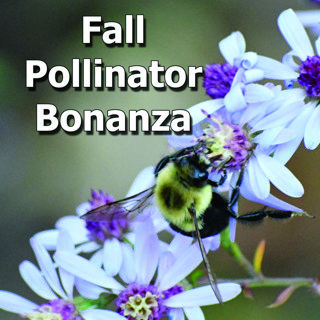
Short's aster: A beautiful late season extravaganza for pollinators

Short's aster: A beautiful late season extravaganza for pollinators

Summary Late blooming native plants are crucial sources of pollen and nectar for pollinators. One of my favorite species that blooms in October, and often into early November, is Short's aster (Symphy...

23 Okt 20257min
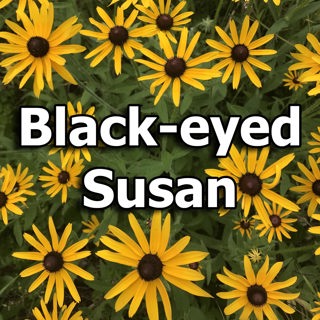
Black-eyed Susan: A must-have for the pollinator garden

Black-eyed Susan: A must-have for the pollinator garden

Summary Black-eyed Susan (Rudbeckia hirta) is a beautiful native plant that can be found throughout most of the eastern U.S. and makes a great addition to pollinator and native plant gardens. It can g...

25 Sep 20259min
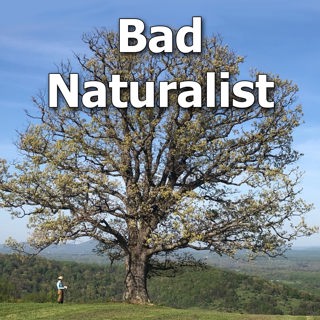
A Bad Naturalist's Journey to Restore a Mountaintop Meadow

A Bad Naturalist's Journey to Restore a Mountaintop Meadow

Summary Paula Whyman shares her journey of trying to restore and manage a remnant prairie located on a Virginia mountaintop. Our conversation touches upon some of the challenges she faced, lessons she...

11 Sep 20251h 22min
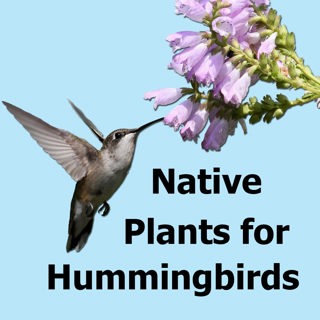
Native Plants That Attract Hummingbirds to Eastern U.S. Gardens

Native Plants That Attract Hummingbirds to Eastern U.S. Gardens

Summary Hummingbirds are probably one of the most beloved groups of birds that people want to attract to their yards. In this episode, I share 10 of my favorite native plants for attracting hummingbir...

28 Aug 202513min
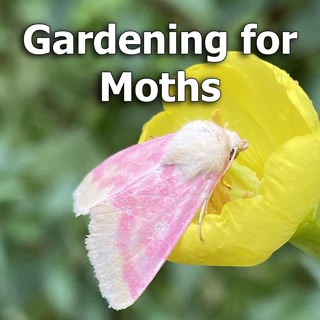
Gardening for Moths: Why It's Important for Backyard Conservation

Gardening for Moths: Why It's Important for Backyard Conservation

Summary In this episode, we focus on the fascinating world of moths and why gardening for moths is so im-portant for any backyard ecologist. We also talk about specific native plants grow to attract m...

7 Aug 20251h 11min

Populärt inom Vetenskap

dumma-manniskor
p3-dystopia
svd-nyhetsartiklar
kapitalet-en-podd-om-ekonomi
allt-du-velat-veta
rss-ufo-bortom-rimligt-tvivel-2
rss-vetenskapsradion-2
rss-vetenskapsradion
det-morka-psyket
sexet
medicinvetarna
rss-experimentet
paranormalt-med-caroline-giertz
rss-odla
rss-spraket
dumforklarat
rss-geopodden-2
vetenskapsradion
bildningspodden
rss-tidsmaskinen