How to Cut Sugar by 78% in 30 Days
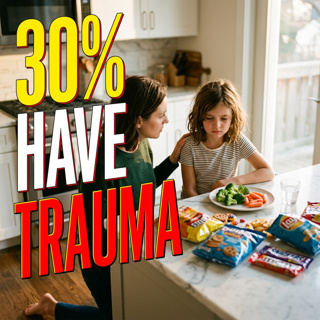
How to Cut Sugar by 78% in 30 Days.Sugar is hijacking your brain — but you can take control back faster than you think.Most people want to quit sugar… but at 3 p.m., stressed and tired, the biscuits in the break room somehow win.In this episode, addiction specialist and lifestyle medicine practitioner Dr. Fergal Armstrong reveals why your willpower isn’t the problem — and how a simple, research-backed strategy can help you cut sugar by up to 78% in just 30 days.You’ll discover:Why the average person is unknowingly consuming around 400 teaspoons of sugar per weekThe massive gap between intention and action when trying to quit sugarHow implementation planning (a powerful psychology tool) rewires your brain for better choicesThe three-step system: clear daily sugar goals, if-then action plans, and relapse-proof coping strategiesReal-world examples you can copy today to reduce sugar cravings, emotional eating, and mindless snackingThis isn’t another “just use willpower” video. You’ll learn a science-based approach used in clinical research to:Bring your intake in line with World Health Organisation sugar guidelinesImprove your confidence in managing cravings, stress, and social pressureBuild sustainable healthy habits around food, energy, and moodIf you’ve tried to reduce sugar before and felt like you failed, this episode will show you what was missing — and how to finally create a realistic, compassionate plan that works with your brain, not against it.👉 Watch now to learn the 3-step formula to break free from sugar — for good.And if you find this helpful, subscribe for more evidence-based insights on addiction, nutrition, and metabolic health.Chapters00:00 – The shocking truth: 400 teaspoons of sugar a week00:19 – The 78% reduction study and why willpower isn’t enough00:47 – Step 1: Setting clear sugar goals using WHO guidelines01:15 – Hidden sugars in “healthy” foods you eat every day01:19 – Step 2: Implementation plans – the power of if-then thinking01:55 – Real-life if-then examples for cravings and supermarket traps02:00 – Step 3: Coping plans and why relapse is part of the cycle02:20 – Identifying your personal triggers: stress, boredom, social pressure02:34 – How this method cut cravings by 60% and doubled confidence02:57 – Sugar, the brain, and rewiring your neural pathways03:21 – Your 3-day action challenge to break free from sugar
12 Dec 3min

What Happens to Teen Brains After Cannabis?
What Happens to Teen Brains After Cannabis?What if one long-term study could completely reshape how we view teenage cannabis use? This jaw-dropping video unpacks a landmark 38-year study from Dunedin, New Zealand, where scientists tracked over 1,000 children from birth into adulthood—and what they discovered could change everything. Spoiler: it's not your typical “just say no” narrative. It’s raw, data-driven neuroscience.Through extensive IQ testing and life tracking, researchers found that those who started using cannabis regularly before age 18 lost up to eight IQ points—a decline that never fully recovered, even if they quit. Meanwhile, adult users showed almost no cognitive impact. Why? It’s all about neuroplasticity. During adolescence, the brain is undergoing massive rewiring. THC from cannabis disrupts this critical developmental phase, leading to lasting damage in memory, focus, and decision-making skills.This isn’t anti-drug propaganda—it’s real science that exposes how early cannabis use hijacks your brain's natural cannabinoid system. If you’re under 18 or care about someone who is, this video is a must-watch. Discover why protecting the teen brain could be the key to unlocking lifelong success. Perfect for educators, parents, and curious minds alike, this is a wake-up call we can't afford to ignore.
27 Nov 3min

The Hidden Danger In Your Medicine Cabinet!
Millions unknowingly store a lethal cocktail in their medicine cabinets—and it’s not from illicit drugs. In this gripping episode, Dr. Ferghal Armstrong reveals a hidden danger in modern medicine: the deadly combination of opioids, benzodiazepines, and gabapentinoids. Backed by alarming research from North Carolina and Australia, he highlights how these commonly prescribed medications, meant to relieve pain, anxiety, and nerve discomfort, can create a perfect storm of respiratory depression and overdose—even when taken as directed.You’ll learn how taking opioids with benzos increases overdose risk tenfold, and how adding drugs like pregabalin can raise it even higher. Shockingly, 80% of opioid patients are also prescribed benzodiazepines—making this a widespread issue, not an anomaly. Dr. Armstrong dives into the science behind these drug interactions, explains why naloxone isn’t always enough, and shares crucial steps for patients and caregivers to stay safe.This is a must-watch for anyone prescribed these medications or caring for someone who is. Discover life-saving insights, actionable tips, and the importance of medication-assisted treatment for opioid dependence. If you thought your prescribed meds were safe, think again.
19 Nov 3min

Can a Single Dose of Ibogaine Cure PTSD? Stanford Thinks So
In a stunning breakthrough, Stanford researchers have unveiled a potential game-changer in the fight against PTSD and traumatic brain injury. This episode dives deep into the science and promise behind Ibogaine therapy, a powerful plant-based treatment showing an astonishing 86% remission rate for PTSD after just one session. The study focused on 30 special forces veterans, exploring a groundbreaking approach known as the MISTIC protocol—Magnesium Ibogaine Therapy for Traumatic Injury to the Central Nervous System.Ibogaine, derived from the African Tabernanthe iboga shrub, interacts with multiple neurotransmitter systems and boosts brain-derived neurotrophic factor, helping the brain to repair itself. What’s even more compelling? These veterans didn’t just feel better emotionally—they demonstrated significant cognitive improvements, including sharper memory, problem-solving, and focus.The treatment also showed remarkable safety when paired with magnesium, alleviating concerns about past cardiac risks. While the trial wasn’t placebo-controlled, the neuropsychological improvements were objective and hard to dismiss.With additional holistic care like breathwork and coaching, this integrative method represents a promising frontier for treating PTSD, depression, and anxiety. It's not yet available in the U.S., but this research could ignite the change.
12 Nov 3min

Can Your Genes Predict Addiction? Science Says Yes
Addiction isn't just about choices—it's also in your genes.New research reveals that your risk for alcohol, opioid, and cannabis addiction might be genetically linked—even if you've never touched a substance in your life. In this episode, we break down a study of over 1 million people that uncovered a powerful genetic factor tied to addiction, impulse control, ADHD, and even emotional regulation.🎯 Why does this matter?Because understanding your genetic makeup could change how we screen, prescribe, and prevent addiction—before it even starts.Whether you're in healthcare, recovery, or just curious about how your brain works—this one's a game-changer.Watch now to learn how your DNA might be shaping your relationship with risk, substances, and self-control.#AddictionScience #GeneticsExplained #MedHeads
6 Nov 3min

Cannabis and Psychosis: What 66,000 People Revealed
Cannabis and Psychosis: What 66,000 People RevealedCannabis and Psychosis: What Science REALLY Says Is cannabis as harmless as many believe? A groundbreaking study of over 66,000 people says… not quite. In our latest video, we break down the science linking cannabis use—especially daily and high-potency strains—to a significantly increased risk of developing psychosis. This isn’t just paranoia or temporary effects. We're talking diagnosable psychotic disorders.Key highlights:4x risk with daily useRisk increases with frequencyNo “safe” usage thresholdImplications for those with a family history of mental illnessWhether you’re a casual smoker, regular user, or just curious about cannabis and mental health, this video gives you the facts—straight from peer-reviewed science.Watch now and let’s talk about what this means for the future of cannabis use.#CannabisPsychosis #MentalHealthAwareness #CannabisTruth
26 Okt 4min

Does Cannabis Really Help with Anxiety? | The Science Explained
Does Cannabis Really Help with Anxiety? | The Science ExplainedFor years, many have turned to weed for anxiety relief, but new research suggests the truth might be more complex. In this video, we uncover what 20 years of scientific studies reveal about how THC and CBD actually affect your mental health and anxiety levels.You’ll learn:The real science behind cannabis and anxietyHow THC vs. CBD impacts your brain differentlyWhy some people feel calmer while others get more anxiousThe truth about short-term relief vs. long-term effectsWhat recent studies say about cannabis and depression riskWhether you’re a regular user, medical patient, or just curious, this video will help you understand what’s really happening in your brain when you use cannabis for stress or anxiety.Don’t trust influencer hype — get evidence-based facts backed by real science.Watch till the end to discover how different cannabis strains may affect your anxiety in unpredictable ways.#CannabisAndAnxiety #CannabisScience #THCandCBD #WeedForAnxiety #MentalHealthMatters #AnxietyRelief #CBDResearch #THCEffects #MarijuanaFacts #BrainHealth
9 Okt 3min

Australia's Dangerous New Opioid Shocks Doctors
The Drug Landscape Has Changed—Are You Ready? Australia is now facing one of the deadliest evolutions in synthetic opioids—nitazenes. With potency levels up to 20 times higher than fentanyl, these hidden killers are showing up in fake pills, club drugs, and even "safe" prescriptions. Most users don’t even know they’ve taken them… until it’s too late.In this week’s Cracking Addiction episode, Dr. Fergal Armstrong dives deep into the pharmacology, clinical signs, and harm reduction strategies practitioners need to know—plus, why current toxicology screens are leaving clinicians in the dark.
3 Okt 8min