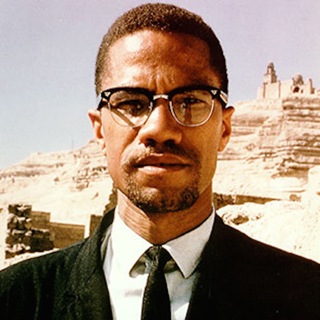
February 1st, 1960 Greensboro Sit-In
DHS US History II2 Touko 2017

February 1st, 1960 Greensboro Sit-In

The Beginning of the Movement: During the 1960s, southern states were still mostly segregated and it was not a strange thing. Southern states did not enact the desegregation laws as quickly as the other states did. This was not fair for the African American people and they took action, a non-violent course of action. In 1960, four students from a local college decided that enough was enough. They decided to show the white people of the area that things were still segregated and that it should be changed. They decided to target a local business, Woolworth’s in downtown Greensboro. The four of them, Ezell Blair Jr., David Richmond, Franklin McCain and Joseph McNeil, sat at the segregated counter at this diner. The waiters, waitresses, and managers refused to take their orders and serve them. As a result of this, these students did not get up until closing time and came back at opening the next morning. They returned the next day and brought more of their friends from the college. They filled the entire counter so no one else could sit and order. They occupied these chairs all day, everyday. The store was still not serving them just because of the color of their skin. The store, as well as others, was losing money because they had no business since they were not serving anyone. The news spread to other towns and states, which caused people to follow by the example and occupy other stores. They demanded service and they did not receive it. Reaction of the Locals: Throughout these non-violent forms of rebellion, there was violence towards these people. Other teenagers and sometimes adults became violent with these non-violent protestors. They used their fists and sometimes baseball bats and other objects to hurt these people. The white people in these areas thought this would make the African Americans stop their protests but it didn’t. It actually brought more attention to them. Result of the Non-violence: The people did not stop at just hurting them but they actually got police involvement. The Woolworth’s store in Greensboro called the police on the teenagers and they came and demanded the African Americans leave or else they would go to jail. After just over a month, there was a big change. Many stores desegregated and started serving the African Americans. This proves that non-violence is a good way to protest and it makes a big difference. The Greensboro Sit-In was proven to be effective and allowed African Americans to sit where they liked and order at restaurants freely.

Tämä jakso on lisätty Podme-palveluun avoimen RSS-syötteen kautta eikä se ole Podmen omaa tuotantoa. Siksi jakso saattaa sisältää mainontaa.

Jaksot(20)

Freedom Rides - May 4th, 1964 Max Ranney

Freedom Rides - May 4th, 1964 Max Ranney

Over the course of the Civil Rights movement there were many events that lead to the eventual improvement of civil rights. However, one event that is seen as a breaking point for the movement were the...

1 Kesä 20173min

August 28th 1963 March On Washington By Sam Katz

August 28th 1963 March On Washington By Sam Katz

Sam Katz Mael P.3 US History II May 2, 2017 Background on the March on Washington; The March On Washington was a giant gathered march to help protest for civil rights for African Americans. The lead...

1 Kesä 20173min

August 6, 1965: Voting Rights Act

August 6, 1965: Voting Rights Act

August 6, 1965: Voting Rights Act by DHS US History II

14 Touko 20172min

MLK assassination

MLK assassination

MLK assassination by DHS US History II

4 Touko 201710min

June 28, 1969 -- The Stonewall Inn Riots

June 28, 1969 -- The Stonewall Inn Riots

June 28, 1969 -- The Stonewall Inn Riots by DHS US History II

3 Touko 20175min

June 11, 1963: Civil Rights Address

June 11, 1963: Civil Rights Address

Luke Bernier Mr. Mael 4/30/17 U.S. History II How the Civil Rights Address Movement Affected Civil Rights The Civil Rights Address was a speech given by John F. Kennedy, following the famous sta...

3 Touko 20174min

March 7, 1965: Bloody Sunday | Selma, Alabama

March 7, 1965: Bloody Sunday | Selma, Alabama

During 1961 and 1964, the Student Nonviolent Coordinating Committee (SNCC) had led a voting registration campaign in Selma, the seat of Dallas County, Alabama, a small town with a record of consistent...

3 Touko 20174min

September 15, 1963: 16th Street Baptist Church Bombing

September 15, 1963: 16th Street Baptist Church Bombing

In the 1960s, Birmingham, Alabama was one of the most racially segregated cities in the United States. By 1963, Birmingham had earned the nickname “Bombingham” because homemade bombs set of in homes a...

3 Touko 20176min

Suosittua kategoriassa Koulutus

rss-murhan-anatomia
psykopodiaa-podcast
voi-hyvin-meditaatiot-2
rss-hereilla
rss-valo-minussa-2
rss-narsisti
kesken
rss-liian-kuuma-peruna
rss-koira-haudattuna
rss-niinku-asia-on
dear-ladies
rss-opiskelemaan
rss-arkea-ja-aurinkoa-podcast-espanjasta
aamupore
rahapuhetta
adhd-podi
rss-rahamania
rss-tietoinen-yhteys-podcast-2
rss-suomen-aa-podcast
rss-retoriikan-kesakoulu