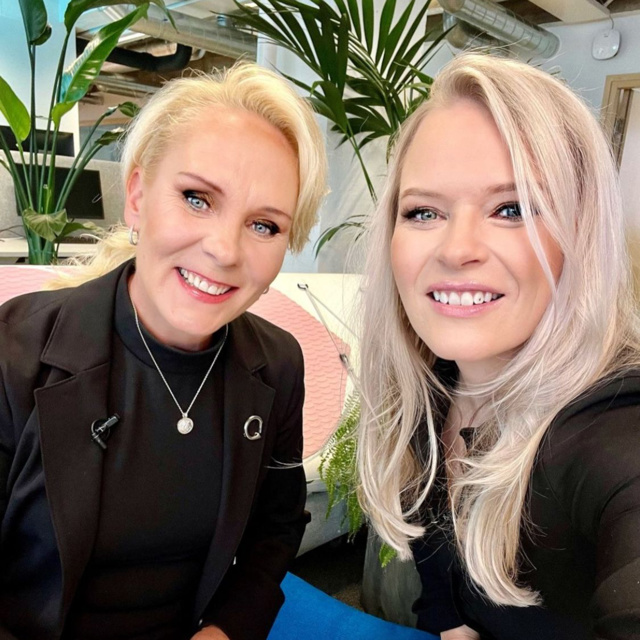
How are key renewable energies faring at the end of 2025? Guest host and energy analyst Bridget van Dorsten talks through developments in geothermal, hydrogen and wind.

How are key renewable energies faring at the end of 2025? Guest host and energy analyst Bridget van Dorsten talks through developments in geothermal, hydrogen and wind.

At the start of the year things were looking uncertain for nascent renewables like hydrogen and geothermal. With policy support from the previous US administration they had boomed with the IRA, then came July 2025 and the Trump administration’s One Big Beautiful Bill, which tore up tax credits and removed incentives for those renewable technologies. As we approach the end of the year, has anything changed for the better? How are hydrogen, wind and geothermal looking as we prepare for 2026?


Regular host Sylvia Leyva Martinez is on maternity leave until the middle of next year, so her fellow energy analyst Bridget van Dorsten is stepping up to keep the mic warm. Bridget is an analyst researching hydrogen, but she has an engineer’s understanding of technologies across the energy spectrum. She doesn’t just cover that ‘frustrating, inefficient, expensive-to-move-around molecule’ (as she calls it); she knows what’s real in the energy world and what’s just hype.

To kick off her tenure as host she’s picked out a few highlights from the year relating to those important renewables – geothermal, hydrogen and wind. Looking back on those conversations Sylvia had with experts on those fields, Bridget then gives the energy analyst’s view on how things are progressing in the current policy environment. Expect in-depth analysis on what’s changed, and the key stats and forecasts you need to know as 2026 approaches.

Plus, Bridget looks back on the conversation Sylvia had with energy investors back in July, when we saw the oil and gas majors like Shell and Equinor announce they were scaling back their climate ambitions under pressure from investors. Bridget explores why the energy transition is unfolding slower than expected, how shareholder pressure is reshaping low-carbon strategies, and why companies like TotalEnergies and Shell have retreated from their plans to phase down fossil fuels.

Bridget will be hosting until mid-next-year, and she wants to know what topics you want explored.

Connect with the show and let us know what you want to hear, on LinkedIn, X or Bluesky at @interchangeshow, and follow the podcast so you don’t miss the episodes coming in the new year.

See Privacy Policy at https://art19.com/privacy and California Privacy Notice at https://art19.com/privacy#do-not-sell-my-info.

Tämä jakso on lisätty Podme-palveluun avoimen RSS-syötteen kautta eikä se ole Podmen omaa tuotantoa. Siksi jakso saattaa sisältää mainontaa.

Jaksot(349)

Bigger turbines, bigger consequences: how wind is rethinking risk, insurance, and predictive maintenance

Bigger turbines, bigger consequences: how wind is rethinking risk, insurance, and predictive maintenance

Wind remains fundamentally healthy: electricity demand is rising, decarbonised power is still needed, and both Europe and the US continue to pull new projects forward, albeit for different reasons. Bu...

14 Heinä 45min

As racks scale, power must change: The AC-to-DC rethink inside AI factories

As racks scale, power must change: The AC-to-DC rethink inside AI factories

As AI systems scale, the infrastructure challenge is no longer just about chips, models, and software performance. It is increasingly about the physical systems that allow computation to happen at all...

30 Kesä 33min

Handing back the mic: Six months of data center reality, from Bragawatts to behind-the-meter, and the questions still open

Handing back the mic: Six months of data center reality, from Bragawatts to behind-the-meter, and the questions still open

A year ago the data centre conversation was about scale. Increasingly it is about what happens when the announcements meet the physical grid. New capacity is being announced at roughly 435 megawatts a...

16 Kesä 43min

The grid's missing operating system: Why a $100,000 AI controller could defer trillions in hardware and why utilities won't buy it

The grid's missing operating system: Why a $100,000 AI controller could defer trillions in hardware and why utilities won't buy it

The energy transition conversation focuses on what connects to the grid. Far less attention goes to whether anyone is coordinating what those assets do once connected. AI training runs swing hundreds ...

2 Kesä 43min

The grid's immune system is retiring: Synchronous condensers, AI data centers and the physics gap that software alone can't close

The grid's immune system is retiring: Synchronous condensers, AI data centers and the physics gap that software alone can't close

As coal and gas plants retire, the energy transition conversation focuses on replacing their generation capacity. What gets far less attention is the loss of the physical properties those machines pro...

19 Touko 1h 2min

Beyond combustion: Long Island's first hydrogen-powered linear generator and the fuel-flexible answer to the dispatchable emissions-free resource problem

Beyond combustion: Long Island's first hydrogen-powered linear generator and the fuel-flexible answer to the dispatchable emissions-free resource problem

Utilities are under pressure to deliver generation that is dispatchable, affordable, and clean enough to satisfy increasingly stringent environmental rules, notoriously hard to do in one asset. As ren...

5 Touko 39min

The electrolyzer reckoning: Can disciplined product development deliver on green hydrogen's promise before the survivors run out of runway?

The electrolyzer reckoning: Can disciplined product development deliver on green hydrogen's promise before the survivors run out of runway?

Empty gigawatt factories, product recalls, participation rates that never materialised, and a policy environment that has now stripped the green premium entirely. The electrolyzer industry has had a b...

21 Huhti 1h

Flexibility as a service: Can Octopus's acquisition of Uplight finally make US residential VPPs work?

Flexibility as a service: Can Octopus's acquisition of Uplight finally make US residential VPPs work?

Millions of enrolled devices, 60 utilities, and the participation rate gap that's been embarrassing the US market for a decade. US residential virtual power plants have been a promising idea that's co...

7 Huhti 45min

Suosittua kategoriassa Liike-elämä ja talous

sijotuskasti
psykopodiaa-podcast
mimmit-sijoittaa
rss-rahapodi
rss-karon-grilli
rss-sami-miettinen-neuvottelija
rahapuhetta
oppimisen-psykologia
hyva-paha-johtaminen
rss-inderes
rss-oivalluksia-rahasta-elamasta
ostan-asuntoja-podcast
asuntoasiaa-paivakirjat
rss-pinnan-alla-kiehuu
rss-perho-rajoilla
rss-tarkeista-asioista-2
rss-rahataito-podcast
rss-rahamania
rss-tietosuojamakasiini
rss-ysin-muijat