Netanyahu's Legacy: Ceasefire, Hostages, and a Precarious Balance

Netanyahu's Legacy: Ceasefire, Hostages, and a Precarious Balance

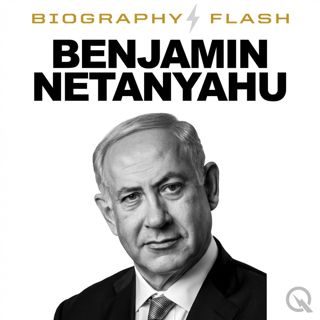
Benjamin Netanyahu BioSnap a weekly updated Biography.

The past few days have seen Benjamin Netanyahu at the center of a historic set of events with potential to define the latter chapters of his decades-long political career. According to multiple reports, including The Jerusalem Post and Democracy Now, Netanyahu addressed the nation last week as Israel’s government approved a U.S.-brokered ceasefire and hostage-release deal with Hamas, marking a dramatic pivot in a conflict that has raged for nearly two years. Netanyahu framed the agreement—which saw Hamas release the last 20 living Israeli hostages, with the bodies of 28 more returned—as a fulfillment of a core wartime objective, though he emphasized that neutralizing the threats from Iran, Hamas, and Hezbollah remained unfinished business. The deal also triggered a massive prisoner swap, with Israel freeing nearly 2,000 Palestinian detainees, many held without charge, according to Democracy Now.

Diplomatic momentum surged as President Donald Trump arrived in Israel, meeting released hostages and addressing the Knesset, where he heralded a “golden age” for the Middle East. While Netanyahu was invited to a follow-up peace summit in Egypt co-hosted by Trump and Egyptian President Abdel Fattah el-Sisi, he ultimately did not attend, citing unspecified timing issues, as reported by The Jerusalem Post. Netanyahu did, however, speak by phone with Sisi, signaling continued high-level coordination even as he remained on Israeli soil during a moment of both national relief and domestic reckoning.

The political stakes for Netanyahu are monumental. Analysts, including those quoted by Albert Mohler, suggest the prime minister’s decision to accept a ceasefire—and the return of hostages as a top national priority—could reshape his legacy, for better or worse. His military strategy following the October 2023 Hamas attacks drew global attention for its intensity, reportedly decimating the leadership cores of Hezbollah and Hamas, and executing bold strikes inside Iran. Yet, as Mohler notes, Netanyahu’s political future is uncertain: questions linger over Israel’s preparedness in 2023, and his coalition faces pressure from both the Israeli public and the U.S. administration, especially after a controversial Israeli strike on Qatar strained relations with a key American ally.

On the ground, scenes of jubilation in Israel as hostages reunited with families were countered by threats from Israeli officials to arrest Palestinians celebrating prisoner releases in the West Bank, and by the grim reality in Gaza, where returnees found neighborhoods in ruins and recovery efforts uncovered hundreds of bodies. Meanwhile, international protests in solidarity with Palestine underscored the fragile, asymmetrical nature of the conflict, with critics like former UK Labour leader Jeremy Corbyn questioning the sustainability of the U.S.-backed deal without broader Palestinian political engagement.

Netanyahu’s public appearances have been tightly scripted and focused on the national narrative of resilience and resolve. There is no verifiable reporting of significant business activity or viral social media presence from Netanyahu in recent days—his energy appears devoted to statesmanship at a hinge moment. The long-term biographical significance of these events is clear: Netanyahu is navigating a precarious balance between military triumph, diplomatic compromise, and domestic accountability, with the eyes of the world—and history—firmly upon him.

Get the best deals https://amzn.to/3ODvOta

This content was created in partnership and with the help of Artificial Intelligence AI

Jaksot(53)

Netanyahu's High-Stakes Gambit: Hostage Talks Collapse, Controversy Erupts, and New Strategies Emerge

Netanyahu's High-Stakes Gambit: Hostage Talks Collapse, Controversy Erupts, and New Strategies Emerge

Benjamin Netanyahu BioSnap a weekly updated Biography.In the past week, Benjamin Netanyahu has stayed front and center on the global stage and in Israeli politics, juggling crisis management with controversy and international diplomacy. On Friday, the Jerusalem Post reported that Netanyahu made headlines by declaring Israel and the United States are now considering alternative options for releasing hostages in Gaza after negotiations with Hamas collapsed again. He called Hamas the main obstacle to any deal and emphasized, alongside US special envoy Steve Witkoff, that new strategies—still unspecified—are being weighed since the latest Hamas response was seen as a dead end for traditional talks.That hardline public posture followed a tense week with significant military and diplomatic repercussions. The Times of Israel and Xinhua reported that Israel withdrew its negotiating teams from Doha after Hamas’s latest rejection, while the US confirmed a pivot to different approaches, hinting at wider consequences. Meanwhile, the humanitarian crisis in Gaza remains dire, with over 59,000 deaths reported by Gaza-based authorities, and new airdrop operations coordinated with Jordan and the UAE were being resumed.In Washington, all eyes are on Netanyahu's upcoming meeting with President Trump scheduled for July 28. Trump confirmed he’ll push for a Gaza ceasefire and discuss Iran with Netanyahu, fresh off their coordinated June strikes on Iranian nuclear sites. According to TBS News, Trump’s camp has publicly expressed frustration with Netanyahu’s aggressive military posture, especially after controversial Israeli strikes in Syria and shelling in Gaza. Axios quoted White House officials describing Netanyahu as out of control and disruptive, noting Trump's recent demand for explanations after a church was hit in Gaza.On the media front, Netanyahu caused a stir with his appearance on the Full Send Podcast, a popular US show. Broadcast this Monday, the episode drew intense criticism online, particularly from younger American audiences. The Nelk Boys, the show’s hosts, invited high-profile anti-Israel figures to discuss the episode live immediately afterward, highlighting the deep divisions Netanyahu now sparks in American popular culture. Netanyahu defended himself, arguing on the show that Americans—especially the young—are being misled about Israel due to widespread misinformation and anti-Israel bias.Delays in Netanyahu’s much-watched corruption trial continue due to his reported bout of food poisoning, as reported by the Times of Israel. After missing key hearings, the trial is now postponed until at least September, adding to a growing pattern of legal delays attributed to health crises and his wartime workload.On social media, Netanyahu received heated backlash over viral clips, including one Instagram reel where critics accused him of dehumanizing rhetoric about women in Gaza, causing outcry in comment sections.In sum, Netanyahu’s recent week has been marked by high-stakes brinkmanship, a controversial media blitz, public health setbacks, and growing international scrutiny. Biographically, the collapse of traditional hostage deal talks and the pivot to undisclosed alternative strategies are likely to have long-term historic significance—potentially reshaping the region’s diplomatic and security equilibrium and impacting Netanyahu’s legacy as a leader navigating existential threats amidst relentless controversy. Speculation about what those “alternative options” entail remains rampant, but no concrete, confirmed detail has emerged.Get the best deals https://amzn.to/3ODvOtaThis content was created in partnership and with the help of Artificial Intelligence AI

26 Heinä 20254min

Netanyahu's Precarious Dance: Navigating Political Survival, Gaza Ceasefire, and Global Scrutiny

Netanyahu's Precarious Dance: Navigating Political Survival, Gaza Ceasefire, and Global Scrutiny

Benjamin Netanyahu BioSnap a weekly updated Biography.It has been a seismic week for Benjamin Netanyahu, whose grip on Israeli politics is suddenly showing fresh signs of slipping as headlines across the world dissect his next moves. The biggest development dropped July 16, when two ultra-Orthodox parties—first United Torah Judaism, then Shas, long his kingmaker—announced they were quitting his coalition after he failed to pass a law granting military draft exemptions for their constituents, a lightning rod issue amid Israel’s ongoing war and mounting conscription fatigue. This leaves Netanyahu with just 50 seats out of 120 in the Knesset, making his government a minority for the first time in this term, which the Times of Israel and Le Monde both called a major political blow and a pivotal moment as Israel negotiates a potential US-backed ceasefire in Gaza.Despite the drama, Shas’ leadership has stopped short of total opposition, signaling it will not actively undermine his government and might still back him on select legislation. That gives Netanyahu a sliver of hope to maintain power until the Knesset’s summer recess, buying time to lure allies back or stabilize his coalition. But pressure is escalating, with opposition leader Yair Lapid calling for immediate elections and public confidence in Netanyahu’s leadership at one of its lowest points, as detailed by The New Indian Express. Still, Netanyahu is reportedly considering an early election himself, gambling that if he can secure a deal to return some hostages from Gaza he could spin it as a victory to voters tired of war—even as critics charge his approach has prolonged the conflict for political survival.Amid this internal chaos, Netanyahu made a high-profile visit to Washington on July 7, his third there in six months. Politico and regional analysts observed that the visit, culminating in a formal but ultimately substance-free White House dinner with Donald Trump, was overshadowed by tensions over Israel’s military actions and growing weariness in the US over the endless war. During the trip, Netanyahu argued passionately for a Gaza ceasefire that would secure the hostages’ release, a message he’s repeated in Israeli media rounds and major international press conferences, some of which have gone viral on Instagram and YouTube.Not all headlines were about policy. Tragedy struck when an Israeli tank shell hit Gaza’s only Catholic Church, killing at least three and wounding others. Netanyahu’s office issued a statement expressing “deep regret,” and he personally phoned Pope Leo XIV to assure him of Israel’s sorrow and to discuss negotiations. The Pope used the moment to press Netanyahu to pursue a ceasefire and resume talks with Hamas, amplifying global scrutiny and embarrassment for a government already hobbled by infighting.All this as polls show Netanyahu remains in a precarious dance, eager to blame security officials for earlier intelligence failures while seeking to amass power by remaking judicial and government oversight. This week, ministers advanced a bill to let any new government dismiss top officials in their first 100 days, a move widely seen as a strategy for Netanyahu to further consolidate control and potentially negotiate a favorable plea bargain to keep him in office even as his trial grinds on.For now, Netanyahu stays in the spotlight, balancing survival with spin, as Israel heads into what could be his most defining political summer yet.Get the best deals https://amzn.to/3ODvOtaThis content was created in partnership and with the help of Artificial Intelligence AI

19 Heinä 20253min

Netanyahu's High-Stakes DC Visit: Iran, Hamas, and a Legacy-Defining Moment

Netanyahu's High-Stakes DC Visit: Iran, Hamas, and a Legacy-Defining Moment

Benjamin Netanyahu BioSnap a weekly updated Biography.Benjamin Netanyahu has been at the center of high-stakes diplomacy and global headlines over the past several days following his tightly choreographed but consequential trip to Washington. Gone were the red carpet and public speeches; instead, the Israeli prime minister kept public appearances to a minimum, focusing on closed-door meetings with President Donald Trump, senior administration officials, and congressional leaders. According to the Jerusalem Post and CBS News, the absence of press conferences or photo ops during Netanyahu’s White House visit signaled the seriousness of his mission—these were negotiations, not grandstanding. He and Trump dined privately at the White House, after which Netanyahu emphasized to reporters that coordination between Washington and Jerusalem, especially regarding Iran, was “unmatched” and had brought significant shifts in the region. Both leaders publicly aligned on a hardline stance: Iran must fully end uranium enrichment and submit to international inspections, and if not, further strikes remained on the table, as detailed by the Atlantic Council and CBS News.The substance of Netanyahu’s talks with Trump reportedly focused on two fronts: first, deterring Iran’s nuclear ambitions post the recent joint US-Israeli strikes that triggered open warfare, and second, pushing for a ceasefire between Israel and Hamas. Multiple outlets, including CBS News and the Times of Israel, reported that the leaders discussed an emerging deal: a 60-day ceasefire in Gaza during which Hamas would release Israeli hostages and Israel would pause its offensive. While speculation swirls over the permanence of this truce, US officials are sending the message that negotiations for a lasting end to the war must follow immediately—a position Netanyahu has not explicitly opposed, likely to avoid backlash from his hardline coalition partners. The Times of Israel Instagram post captured Netanyahu’s optimism for progress on the hostage deal.Netanyahu’s schedule included meetings with Vice President JD Vance, Secretary of State Marco Rubio, and US special envoy Steve Witkoff, as well as a stop at the Pentagon with Defense Secretary Pete Hegseth. Notably, he also hosted a gala for Jewish and Evangelical leaders, further cementing his political base. Social media buzzed with clips of Netanyahu’s somber statements about fallen Israeli soldiers and his steadfast vow that Israel would not “relent” until Hamas’s military capabilities are eliminated, a message he repeated in video updates after each meeting.These low-key but high-stakes days may mark a pivotal chapter in Netanyahu’s legacy, positioning him as a central figure in potentially brokering both regional security deals and a pause in one of the region’s most intractable conflicts.Get the best deals https://amzn.to/3ODvOtaThis content was created in partnership and with the help of Artificial Intelligence AI

12 Heinä 20253min

Netanyahu's High-Stakes DC Blitz: Nobel Nod, Gaza Ceasefire, and Social Media Battles

Netanyahu's High-Stakes DC Blitz: Nobel Nod, Gaza Ceasefire, and Social Media Battles

Benjamin Netanyahu BioSnap a weekly updated Biography.Benjamin Netanyahu has commanded global headlines over the past several days as his diplomatic whirlwind through Washington DC unfolded with unusually high stakes. On July 8th and 9th, Netanyahu made back-to-back appearances at the White House, twice meeting with US President Donald Trump in meetings characterized not by spectacle but by their businesslike focus. According to the Jerusalem Post, the minimal press coverage and lack of ceremony made clear that Netanyahu and Trump were intent on substance—the primary topic being the new Trump-brokered ceasefire plan for Gaza, which Netanyahu publicly called a good proposal, urging both Israel and Hamas to endorse it. El Pais highlighted that Netanyahu’s visits were exceptional not just for the frequency—two private White House meetings in as many days—but also for the level of strategic coordination, with Netanyahu crediting Trump for an unprecedented degree of US-Israeli cooperation.Before the Tuesday White House meeting, Netanyahu made a notable stop at Capitol Hill, meeting congressional Republican leaders including House Speaker Mike Johnson. There, he warned about what he described as a coordinated social media campaign aimed at vilifying and demonizing Israel, pledging that his government would counter these narratives with what he called the truth, vowing to fight for American support over the coming months and years.Netanyahu’s trip wasn’t all diplomacy; he took the unusual step of bringing a letter nominating Donald Trump for the Nobel Peace Prize, as reported by El Pais and widely shared on social media, with Instagram posts on July 8th sparking both support and criticism. This nomination coincides with praise for Trump’s efforts not only in the Israel-Hamas ceasefire process but also in de-escalating recent tensions between India and Pakistan.Amid meetings with Vice President JD Vance, Secretary of State Marco Rubio, and even a Pentagon reception, Netanyahu maintained a hard line, sharing a video message on social media after his second White House meeting insisting Israel would not relent until Hamas’s military and governing capabilities were eliminated. Meanwhile, delegates from Israel and Hamas continued negotiations in Qatar, with informed sources reporting that a deal could yield a 60-day ceasefire in Gaza and a phased release of Israeli hostages.Netanyahu’s Washington visit was bookended by somber moments, as he publicly mourned fallen Israeli soldiers, acknowledging the ongoing cost of conflict in an official statement. His return to Israel will be watched closely, as the international and digital spotlight continues to follow his every move.Get the best deals https://amzn.to/3ODvOtaThis content was created in partnership and with the help of Artificial Intelligence AI

9 Heinä 20253min

Benjamin Netanyahu - Audio Biography

Benjamin Netanyahu - Audio Biography

Benjamin Netanyahu is an Israeli politician who has served as Prime Minister of Israel on five separate occasions, making him the longest-serving Prime Minister in Israeli history. He is also the leader of the Likud party, a right-wing political party. Early Life and Education Netanyahu was born in Tel Aviv, Israel, on October 21, 1949. His father, Benzion Netanyahu, was a historian and Zionist activist, and his mother, Zehava Netanyahu, was a translator and educator. Netanyahu's family moved to the United States when he was six years old, and he grew up in Philadelphia and New York City. Netanyahu returned to Israel in 1967 to join the Israel Defense Forces. He served in the Sayeret Matkal, an elite special forces unit, and took part in several military operations. After his military service, Netanyahu studied architecture and political science at the Massachusetts Institute of Technology (MIT). Political Career Netanyahu began his political career in the 1970s as an advisor to several Israeli Prime Ministers. He was elected to the Knesset, the Israeli Parliament, in 1988, and he has served in various ministerial positions, including Deputy Prime Minister, Minister of Finance, and Minister of Foreign Affairs. Netanyahu was first elected Prime Minister in 1996. He served one term before being defeated by Ehud Barak in 1999. Netanyahu returned to office as Prime Minister in 2009, and he has served in that position ever since. He is the first Israeli Prime Minister to be elected to a third consecutive term. Political Views Netanyahu is a right-wing politician who is known for his hawkish views on security. He is a strong supporter of Israeli settlements in the occupied Palestinian territories, and he has opposed the creation of a Palestinian state. Netanyahu has also been critical of the Iran nuclear deal, and he has called for tougher sanctions on Iran. Current Crisis Netanyahu is currently facing a number of challenges, including a criminal corruption investigation, a series of protests against his government, and a new coalition government that is seeking to replace him. In 2019, Netanyahu was indicted on charges of bribery, fraud, and breach of trust. He has denied all wrongdoing, and the trial is still ongoing. In 2021, Israel was rocked by a series of protests against Netanyahu's government. The protests were sparked by a number of factors, including the government's handling of the COVID-19 pandemic, its economic policies, and its corruption scandals. In 2023, a new coalition government was formed in Israel. The coalition government is composed of eight parties, including the centrist Yesh Atid party, the right-wing Yamina party, and the Arab-Israeli Ra'am party. The coalition government is seeking to replace Netanyahu as Prime Minister. Legacy Netanyahu is a controversial figure, but there is no doubt that he has had a major impact on Israeli politics. He is a skilled politician who has been able to maintain his grip on power for a long time. However, he is also facing a number of challenges, and it remains to be seen whether he will be able to maintain his position as Prime Minister. Thanks for listening to Quiet Please. Remember to like and share wherever you get your podcasts.This content was created in partnership and with the help of Artificial Intelligence AI

29 Marras 20233min

Suosittua kategoriassa Politiikka ja uutiset

tervo-halme
aikalisa
rss-ootsa-kuullut-tasta
ootsa-kuullut-tasta-2
politiikan-puskaradio
viisupodi
otetaan-yhdet
rikosmyytit
et-sa-noin-voi-sanoo-esittaa
rss-podme-livebox
rss-asiastudio
io-techin-tekniikkapodcast
rss-vaalirankkurit-podcast
rss-kaikki-uusiksi
the-ulkopolitist
rss-kuka-mina-olen
rss-raha-talous-ja-politiikka
rss-tasta-on-kyse-ivan-puopolo-verkkouutiset
radio-antro
rss-tekkipodi