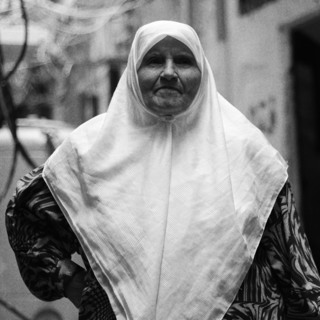
Nakba #16 - Fayza Abed Bayrakji
Överlevarna30 Joulu 2025

Nakba #16 - Fayza Abed Bayrakji

1946 “My father owned a lot of land where he grew grapes, figs, olives, and other crops. We also had livestock. Many people worked for us during the harvest season. My father died when I was three years old. I remember the olive harvests. The men stood on ladders picking olives, and the ones that fell to the ground were gathered by the women and carried back to the village. There were no Jews living in our village. They lived in the neighboring town of Nahariya. There was a doctor there whom one of my sisters-in-law visited. She underwent a minor eye operation there. We had many Jewish friends in Nahariya: Shlomo, Auerbach, and Jitzchak. They worked together with my brothers. They were Palestinian Jews, not like the Jews who came from Russia and Poland.” - Did you go to school? “No, we did not have a school for beginners in the village, only for older children. There were only four girls in my village who studied.” 1948 “The Israelis demanded that the village mukhtar surrender. If he did not, we would be expelled. Auerbach, my brothers’ Jewish friend, advised us not to leave the village. But if we were forced to flee, he promised he would help us return. When the mukhtar refused to surrender, the Israelis attacked the village with heavy artillery. The men defended the village for a week against the Israeli army. One of my brothers sought out Auerbach to ask him to keep his promise. He objected, saying that because they had fought the Israelis for a week, his promise was no longer valid. The Israelis killed 45 people, mostly elderly people and women. Kuwaykat was surrounded and eventually fell. The Israelis gave us safe passage eastward so that we could flee in that direction. We fled during the night. Young resistance fighters returned the next day and found elderly people killed in the streets. Their bodies were dragged to the well and lowered into it so that wild animals would not eat them. One old man was found killed in his home. He was buried outside the house. We walked on foot to the other side of the Lebanese border. After a month, some kind of ceasefire was declared, so we returned to Kuwaykat to collect our belongings. But the Israelis broke the agreement, and we were forced to flee a second time. Once again, we fled on foot. Again, we arrived in a village on the Lebanese side of the border. My brother bought three fig trees from a man so that the Lebanese would not say that we had stolen their trees. The trees became our homes. A few years later, we moved to Beirut and to Burj al-Barajna. At that time, it was nothing but desert. I have lived here ever since.” - Who bears responsibility for your situation? “It is like the story of Yusuf in the Qur’an, where his brothers conspired against him. Arabs, Jews, and the English—all of them conspired against us. In the past, we lived with dignity and honor in our land. We used to invite Jews into our homes and share our food with them. If Israel were to open its borders, I would want to return and work the land. I want to sit in my own country and build my own house. I do not need electricity. I have hidden an antique oil lamp that I could take with me. I would rather be eaten by snakes than remain here. Lebanon is not our land. We want our land back.”

Tämä jakso on lisätty Podme-palveluun avoimen RSS-syötteen kautta eikä se ole Podmen omaa tuotantoa. Siksi jakso saattaa sisältää mainontaa.

Jaksot(323)

Överlevarna #11 - Mala Freund

Överlevarna #11 - Mala Freund

"Vi hade det jättejobbigt att existera Det är inte normalt att människor ska bli utsatta för så svåra plågor. Hela livet har jag haft mardrömmar. Man kan inte fatta det hela", säger Mala Freund. 90 år...

25 Marras 201751min
Överlevarna  #10 - Bruno Frister

Överlevarna #10 - Bruno Frister

Bruno: - De kunde ta ett litet barn som knappt kunde gå, jag såg det själv en gång. Det var en SS-man, han tog ett litet barn och slog huvudet mot väggen. Så omänskligt var det. - Vad hände med bebise...

18 Marras 20171h 34min
Överlevarna #9 - Julian Better

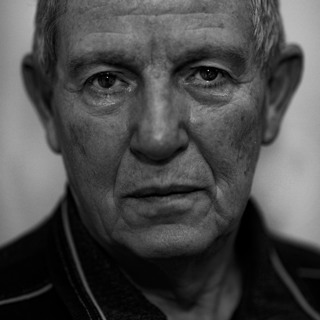
Överlevarna #9 - Julian Better

Julian föddes i ett Moskvafängelse 1937. Fyra dagar senare avrättades hans pappa av Stalins säkerhetstjänst. Mamman och Julian skickades till Gulag. På ingången till lägret stod det ”Död åt nationens ...

11 Marras 201755min
Överlevarna # 8 - Rosa Tankus

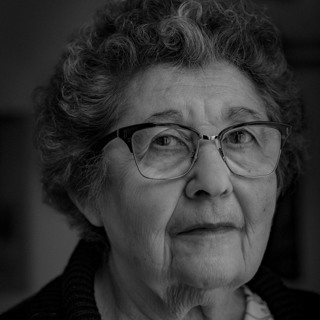
Överlevarna # 8 - Rosa Tankus

Rosa Tankus, född i Oslo 1923: ”Vi skulle förlova oss i Oslo på nyårsafton 1942. Men jag hamnade i Sverige i stället och han i Auschwitz. Hela hans familj, cirka 30 personer, omkom.” Efter kriget åter...

4 Marras 20171h 25min
Överlevarna #7 - Monika Kischinowsky

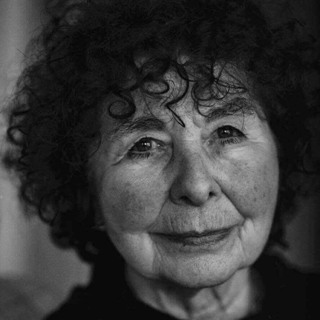
Överlevarna #7 - Monika Kischinowsky

Monika Kischinowskys föräldrar, Minna och Karl Scharf, mördades i Förintelsen. Hon och hennes bror Kim överlevde. - Man kan leva med det, men man kan aldrig komma över det. - Hur skaffar man sig upprä...

28 Loka 20171h 6min
Överlevarna #6 - Agnes Palm

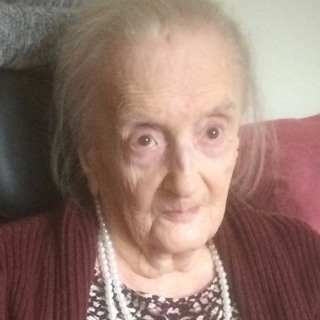
Överlevarna #6 - Agnes Palm

Agnes Palm överlevde Auschwitz. Efter kriget gifte hon sig med en SS-soldat. Agnes Palm är född 1919. På grund av hennes höga ålder är det dottern Veronika Ekelund som återger hennes berättelse. Inspe...

21 Loka 201745min
Överlevarna #5 - Ester Miska

Överlevarna #5 - Ester Miska

"Svälten i Auschwitz var så svår att vi grät mer än vad vi åt., för ett grässtrå slog man ihjäl varann. Jag förlorade hela min familj, mamma pappa, min syster och bror. Det var min gråt hela livet: va...

14 Loka 201752min
Överlevarna #4 - Ruth Weiner

Överlevarna #4 - Ruth Weiner

"Intill vårt hus fanns en stor synagoga. Där eldade nazisterna upp unga, gamla, hela familjer, bara för att de var judar, bland annat min skolkompis Rena. Jag kunde höra deras skrik." Ruth Weiner, föd...

7 Loka 201753min

Suosittua kategoriassa Koulutus

rss-murhan-anatomia
psykopodiaa-podcast
voi-hyvin-meditaatiot-2
adhd-podi
rss-rahamania
rss-liian-kuuma-peruna
rahapuhetta
kesken
rss-valo-minussa-2
rss-narsisti
rss-luonnollinen-synnytys-podcast
rss-tietoinen-yhteys-podcast-2
rss-vapaudu-voimaasi
rss-niinku-asia-on
filocast-filosofian-perusteet
psykologia
ihminen-tavattavissa-tommy-hellsten-instituutti
rss-duodecim-lehti
aamukahvilla
rss-elamankoulu