
HVAC Real World Strategy for Technicians to Prevent AC Failures with 5-Year Replacement Rule
In this solo episode of the HVAC Know It All Podcast, host Gary McCreadie, Director of Player Development and Head Coach at Shelburne Soccer Club and President of McCreadie HVAC & Refrigeration Services and HVAC Know It All Inc, shares a real-world story about residential HVAC service and why changing capacitors and contactors on a schedule can help avoid system breakdowns. He explains how a small overlooked issue led to a callback and how techs can prevent this by replacing aging parts before they fail. Gary talks about the impact of weather, usage, and location on these components and offers honest advice based on his own experience. It's a clear, simple guide for techs looking to avoid headaches and keep customers happy. Gary shares a real-world HVAC story that shows why replacing old capacitors and contactors can stop bigger problems later. He explains how a small part failure caused a callback and how that could've been avoided with a simple replacement. He talks about how heat, moisture, and age can wear down parts and why changing them every five years is a smart move. Gary also points out that doing this isn't about upselling, it's about being honest and helpful. It's a simple guide to keeping systems running and customers happy with fewer breakdowns. Throughout this episode, Gary shares how one missed part led to a system failure and why techs should change old capacitors and contactors before they break. He explains how weather, age, and corrosion wear out parts and how a simple check can save a service call. Gary gives advice on when to suggest part replacements, how to talk with homeowners honestly, and why this isn't about sales, it's about smart service. His tips help techs avoid callbacks and keep systems running better in hot weather. Expect to Learn: Why replacing old capacitors can stop system failures. How heat, age, and moisture damage key parts. When to suggest swaps to avoid callbacks. Why this advice isn't about upselling. Easy steps to keep AC units running longer. Episode Highlights: [00:00] - Intro: Real-world HVAC service vs textbook rules [01:40] - How a corroded capacitor caused a callback [04:20] - Why swapping old parts can prevent failures [06:20] - Five-year rule and honest service advice This Episode is Kindly Sponsored by: Jobber: http://getjobber.com/hvacknowitall Follow the Host: LinkedIn: https://www.linkedin.com/in/gary-mccreadie-38217a77/ McCreadie HVAC & Refrigeration Services: https://www.linkedin.com/company/mccreadie-hvac-refrigeration-services/ HVAC Know It All Inc: https://www.linkedin.com/company/hvac-know-it-all-inc/ Shelburne Soccer Club: https://shelburnesoccerclub.sportngin.com/ Website: https://www.hvacknowitall.com Facebook: https://www.facebook.com/people/HVAC-Know-It-All-2/61569643061429/ Instagram: https://www.instagram.com/hvacknowitall1/
21 Heinä 20258min
The Lead Gen Crisis for Contractors to Rebuild Trust & Get Vetted High-Quality Clients - Nick Fergis
In Part 2 of this episode of the HVAC Know It All Podcast, host Gary McCreadie talks with Nick F. (Nick Fergis), co-founder and CEO of Property.com, a site that connects homeowners with top-rated contractors. They go over the free and paid membership tiers for contractors, tools like Max Closer and Max Qualifier, and how Property.com helps build trust and drive quality leads. Nick shares why he started the platform, how it supports real estate agents too, and why only the best contractors are allowed in, no room for poor service or shady lead generation. Nick Fergis talks about why Property.com only lists top-rated, vetted contractors to help homeowners avoid poor service. He explains their free and paid plans, where tools like Max Closer and Max Qualifier help contractors get leads and show their work. Nick also shares how real estate agents will soon use the platform to share trusted pros with new homeowners. Gary talks about how many lead services today feel random and low-quality. They agree that trust, clear info, and proven work matter most when choosing the right people for the job. Nick explains that Property.com helps homeowners find top local pros by listing only trusted and vetted contractors. He says the free plan gives you a site and certificate, but paid plans add tools like Max Closer to help close jobs and Max Qualifier to find better leads. Gary says the site feels like a real estate page, but for contractors, all in one spot. They both agree that many lead services are spammy, send bad leads, or don't know the trades. Property.com is built to fix that with tools and trust that help both sides. Expect to Learn: Why Property.com only lists top-rated, vetted contractors. How free and paid plans help pros get leads and build trust. What tools like Max Closer and Max Qualifier do for you. Why real estate agents will share their Rolodex with new owners. How this platform beat random lead services and bad results. Episode Highlights: [00:00] - Introduction to Part 02 with Nick Fergis [00:52] - Property.com Membership Plans and Lead Tools [05:53] - Property.com offers trusted pros vs. random online searches [07:46] - Strict vetting and limited contractor spots [10:22] - Real estate agents and digital Rolodex use [13:50] - The Problem with Spammy Lead Services & Low-Quality Contractors Get your free HVAC pro webpage at https://landing-pages.property.com/mccreadie1 - Join top-rated contractors today! This Episode is Kindly Sponsored by: Master: https://www.master.ca/ Cintas: https://www.cintas.com/ Supply House: https://www.supplyhouse.com/ Cool Air Products: https://www.coolairproducts.net/ Follow the Guest Nick Fergis on: LinkedIn: https://www.linkedin.com/in/nickfergis/ Property.com: https://www.linkedin.com/company/property/ Follow the Host: LinkedIn: https://www.linkedin.com/in/gary-mccreadie-38217a77/ Website: https://www.hvacknowitall.com Facebook: https://www.facebook.com/people/HVAC-Know-It-All-2/61569643061429/ Instagram: https://www.instagram.com/hvacknowitall1/
17 Heinä 202518min
The Lead Vetting System for HVAC Pros to Boost Visibility & Avoid Bad Customers - Nick Fergis Part 1
In this episode of the HVAC Know It All Podcast, host Gary McCreadie chats with Nick F.(Nick Fergis), Co-Founder and CEO of Property.com, about how HVAC contractors can grow their business online. They talk about how Property.com connects homeowners with top-rated contractors and how HVAC pros can get free microsites to boost their visibility. Nick explains features like seeing permit history, using smart tools to qualify leads, and even rating customers. They also cover the importance of ethical sales, staying away from bad clients, and how Property.com supports pros across the U.S. with tools to get noticed and win more jobs. Nick Fergis shares how Property.com helps HVAC pros get more leads by showing their work to local homeowners online. He explains that only top-rated contractors are listed, and they get free microsites to boost their business. Nick talks about tools that show past permits, home info, and which jobs are worth the time. He also explains how pros can rate customers to avoid bad ones. Gary shares stories of tricky jobs and why it helps to know a home's history. They agree that better tools, planning, and picking good leads can grow a business the right way. Nick explains how Property.com only lists contractors with strong reviews, helping homeowners find trusted pros. Like having a badge of trust, passing their check gives HVAC techs a free site to show their work. He shares tools that show a home's past permits, age, and if upgrades are needed, making it easier to plan jobs. Gary adds how this helps avoid bad leads and boosts trust. They remind techs that using smart tools, staying honest, and picking the right jobs helps grow a strong, respected business. Expect to Learn: How top-rated HVAC pros can get listed on Property.com. Why having a free microsite helps grow your business. How permit and home data can make lead follow-ups smarter. Why contractors can now rate customers to avoid bad ones. How smart tools and planning lead to better jobs and trust. Episode Highlights: [00:00] - Intro to Property.com and guest Nick Fergis [02:49] - Free microsites for top-rated HVAC pros [03:52] - How Property.com helps pros get found [06:45] - Star rating rules for getting listed [07:50] - What the free mini-site includes and does [09:48] - "Max Qualifier" tool for smart lead filtering [14:13] - Rating customers to avoid problem clients [17:54] - How some homeowners trick contractors [19:34] - Current U.S. areas where tools work best Get your free HVAC pro webpage at https://landing-pages.property.com/mccreadie1 - Join top-rated contractors today! This Episode is Kindly Sponsored by: Master: https://www.master.ca/ Cintas: https://www.cintas.com/ Supply House: https://www.supplyhouse.com/ Cool Air Products: https://www.coolairproducts.net/ Follow the Guest Nick Fergis on: LinkedIn: https://www.linkedin.com/in/nickfergis/ Property.com: https://www.linkedin.com/company/property/ Follow the Host: LinkedIn: https://www.linkedin.com/in/gary-mccreadie-38217a77/ Website: https://www.hvacknowitall.com Facebook: https://www.facebook.com/people/HVAC-Know-It-All-2/61569643061429/ Instagram: https://www.instagram.com/hvacknowitall1/
14 Heinä 202520min
HVAC Myths for Homeowners to Fix Sizing Mistakes and End Cold Rooms with Drew Tozer Part 2
In this episode of the HVAC Know It All Podcast, host Gary McCreadie chats again with Drew Tozer, author of Feel Good Homes and Partner at Foundry Heat Pumps, and Expert Advisor at Building Decarbonization Alliance and Jouleia. They talk about why right-sizing HVAC systems is so important and how old rules of thumb often lead to discomfort. Drew explains how load calculations, better filters, and smart installs can improve comfort, air quality, and energy use. They also touch on heat pump myths, hybrid systems, and why teaching both homeowners and techs can lead to better results and fewer system issues. Drew Tozer talks about why many homes feel uncomfortable, drafty rooms, poor airflow, and wrong system sizes. He explains that heat pumps, when chosen and installed right, fix these issues and help save energy. Drew also highlights how indoor air quality is often ignored and why better filters should be standard, not upgrades. Gary shares stories of past installs that prove doing the math and using load calcs lead to better results. They agree that homeowners and techs both need clear info to make smarter choices and keep systems running well for years. Drew explains that many homes stay cold or drafty because the HVAC system isn't sized or installed correctly. Like putting on the right shoes, using load calcs helps pick the best heat pump for comfort. He says square footage isn't enough; you need to know how the house works. Gary shares how better filters, return drops, and smart installs stop airflow issues and dirt build-up. They both say systems should be sized with care, not guesswork, so homes stay comfy, air stays clean, and systems last longer without costly breakdowns. Expect to Learn: Why load calcs matter more than home size when picking HVAC. How better filters and duct design improve air and comfort. Why most homeowners don't replace filters often enough. How heat pumps work well without gas or high upkeep. Why simple changes can make HVAC last longer and run better. Episode Highlights: [00:00] - Intro to Part 02 with Drew Tozer [01:45] - Why homeowners get confused by mixed HVAC quotes [03:33] - Right-sizing improves comfort in cold rooms [05:04] - Why square footage doesn't equal HVAC sizing [08:41] - Indoor air quality and the role of HVAC filters [11:35] - Why 4-5 inch filters should be standard now [15:35] - Better filter cabinets mean less maintenance [20:27] - Drew's free book and its easy-read format [22:22] - Why install quality matters more than equipment brand 🎁 Claim Your Free Copy of Feel Good Homes! Visit https://foundryheatpumps.ca/ to get your free PDF or physical book (available in Ontario). Make your home feel better, starting today! This Episode is Kindly Sponsored by: Master: https://www.master.ca/ Cintas: https://www.cintas.com/ Supply House: https://www.supplyhouse.com/ Cool Air Products: https://www.coolairproducts.net/ Follow the Guest Drew Tozer on: LinkedIn: https://www.linkedin.com/in/drewtozer/ Foundry Heat Pumps: https://www.linkedin.com/company/foundry-heat-pumps/ Building Decarbonization Alliance: https://www.linkedin.com/company/building-decarbonization-alliance/ Jouleia: https://www.linkedin.com/company/jouleia/ Follow the Host: LinkedIn: https://www.linkedin.com/in/gary-mccreadie-38217a77/ Website: https://www.hvacknowitall.com Facebook: https://www.facebook.com/people/HVAC-Know-It-All-2/61569643061429/ Instagram: https://www.instagram.com/hvacknowitall1/
10 Heinä 202526min
HVAC Design Mistakes for HVAC Pros to Stop Oversizing and Switch to Heat Pumps with Drew Tozer Part 1
In this episode of the HVAC Know It All Podcast, host Gary McCreadie talks with Drew Tozer, an energy advisor and Partner at Foundry Heat Pumps, and Expert Advisor at Building Decarbonization Alliance and Jouleia, about heat pump systems and how to make homes more comfortable. They discuss common problems like hot and cold rooms, the myths around heat pumps, and why right-sizing equipment matters. Drew explains how heat pumps have improved and how to pick the best one based on home size, ductwork, and local climate. They also cover hybrid setups, electric backups, and simple tips to avoid overworking systems and keep indoor air comfy and efficient. Drew Tozer explains how many homes have rooms that are too hot or too cold because of wrong HVAC sizing. He shares why heat pumps are a smart fix when sized right and how older myths make people avoid them. Drew says most homes don't need gas backup and that hybrid systems help when ductwork or power panels are limited. Gary shares job stories showing how right sizing and good planning improve comfort. They both agree that knowing a home's needs and choosing the right system can lower costs, save energy, and keep homes more comfortable year-round. Here, Drew explains how many HVAC systems are too big for the home, which causes hot and cold spots and short run times. Like using the right shoe size, right-sizing heat pumps helps keep comfort steady. He says heat pumps now work well even in cold places, and hybrid setups help when ductwork or power is limited. Gary shares how proper installs and load checks made big comfort changes. They remind techs that smaller, well-planned systems run better, save energy, and avoid problems like noise, bad airflow, and early breakdowns. Expect to Learn: Why do many homes have hot and cold rooms year-round? How oversized HVAC systems cause poor comfort and airflow. Why modern heat pumps often don't need a gas backup. How hybrid systems help when ducts or power are limited. Why right-sizing saves energy and makes homes feel better. Episode Highlights: [00:00] - Intro to Drew Tozer in Part 01 [02:07] - Modern Heat Pumps Don't Need Gas Backup [04:49] - Why load calculations are key for heat pumps [05:45] - Hybrid setups for duct and power limitations [09:25] - Oversized cooling and moisture issues explained [11:37] - Real loads vs. guessed loads in HVAC installs [13:32] - Choosing the best size heat pump for ductwork [16:58] - Panel upgrades vs. staying with gas backup [19:39] - Fixing hot/cold rooms with the right equipment sizing 🎁 Claim Your Free Copy of Feel Good Homes! Visit https://foundryheatpumps.ca/ to get your free PDF or physical book (available in Ontario). Make your home feel better, starting today! This Episode is Kindly Sponsored by: Master: https://www.master.ca/ Cintas: https://www.cintas.com/ Supply House: https://www.supplyhouse.com/ Cool Air Products: https://www.coolairproducts.net/ Follow the Guest Drew Tozer on: LinkedIn: https://www.linkedin.com/in/drewtozer/ Foundry Heat Pumps: https://www.linkedin.com/company/foundry-heat-pumps/ Building Decarbonization Alliance: https://www.linkedin.com/company/building-decarbonization-alliance/ Jouleia: https://www.linkedin.com/company/jouleia/ Follow the Host: LinkedIn: https://www.linkedin.com/in/gary-mccreadie-38217a77/ Website: https://www.hvacknowitall.com Facebook: https://www.facebook.com/people/HVAC-Know-It-All-2/61569643061429/ Instagram: https://www.instagram.com/hvacknowitall1/
9 Heinä 202525min
HVAC Sealant Myths for Techs to Stop Using Outdated Beliefs & Fix Micro Leaks – Matthew Cowley Part 2
In this episode of the HVAC Know It All Podcast, host Gary McCreadie continues his chat with Matthew Cowley, a North America Sales Manager: Spectroline Leak Detection (Industrial & HVAC/R) at Spectronics Corporation. They discuss the leak sealants, their proper use, and common misconceptions. Matthew explains how Spectronics' oil-based, solvent-free sealant is safe and effective for tiny evaporator leaks. Gary shares tips from his article on diagnosing and fixing leaks, stressing that sealants should only be used when repairs aren't possible. They also talk about the EZ-Ject injection method, which makes applying sealant clean and simple. The episode ends with a push for better research and open-mindedness in the HVAC trade. Matthew Cowley explains how Spectronics Corporation's sealants work to fix very small refrigerant leaks, especially in hard-to-reach places like evaporator coils. He talks about the importance of finding and confirming a leak before using a sealant. Matthew also shares how their dye and sealant mix is safe, oil-based, and doesn't harm HVAC systems. Gary adds tips from his own testing and stresses that sealants should be used only when proper repairs aren't possible. They finish by urging techs to learn, test products, and stay open-minded about modern leak solutions. Throughout this episode, Matthew talks about the safe use of leak sealants in HVAC systems. He explains that their oil-based formula works well for small leaks and doesn't harm system parts. He and Gary stress the need to confirm a leak before using sealant and only apply it when a repair isn't possible. Matthew also explains their clean and EZ-Ject injection tool. Lastly, they talk about learning, testing products, and staying open-minded to new tools and methods in the HVAC field. Expect to Learn: Why it's important to confirm and locate leaks before using sealants. How oil-based sealants work for tiny leaks without harming HVAC systems. Why proper injection tools like EZ-Ject make the job cleaner and safer. What makes Spectronics' dyes and sealants different from others? The value of testing, learning, and staying open-minded about new products. Episode Highlights: [00:00] - Intro to Part 02 with Matthew Cowley [01:56] - When and why Spectronics Corporation added sealant to dye [03:53] - Diagnosing leaks before using any sealant [05:23] - Why tiny leaks may not show with soap and nitrogen [06:56] - When an evaporator leaks means replacement, not repair [08:56] - Online opinions vs real-world HVAC experience [11:05] - How to test and confirm sealant success in systems [12:33] - The EZ-Ject injection method and how it works [14:26] - Using the correct dye amount per ton of equipment [16:33] - Misconceptions about sealants and system safety [18:40] - Legal issues with leaks and refrigerant in Canada [23:13] - Closing Remarks and Acknowledgment of Organizational Legacy This Episode is Kindly Sponsored by: Master: https://www.master.ca/ Cintas: https://www.cintas.com/ Supply House: https://www.supplyhouse.com/ Cool Air Products: https://www.coolairproducts.net/ Follow the Guest Matthew Cowley on: LinkedIn: https://www.linkedin.com/in/matthew-cowley-74a815a4/ Spectronics Corporation: https://www.linkedin.com/company/spectronics/ Follow the Host: LinkedIn: https://www.linkedin.com/in/gary-mccreadie-38217a77/ Website: https://www.hvacknowitall.com Facebook: https://www.facebook.com/people/HVAC-Know-It-All-2/61569643061429/ Instagram: https://www.instagram.com/hvacknowitall1/
3 Heinä 202524min
The Truth About HVAC Sealants for Techs to Stop Leaks and Save Compressors – Matthew Cowley Part 1
In this episode of the HVAC Know It All Podcast, host Gary McCreadie chats with Matthew Cowley, a North America Sales Manager: Spectroline Leak Detection (Industrial & HVAC/R) at Spectronics Corporation, about the truth behind internal sealants used in HVAC systems. They explain how older polymer-based sealants caused problems due to chemical reactions, while new oil-based ones work safely with mechanical action. Matthew and Gary talk about how oil-based sealants coat leak areas from the inside without clogging or damaging parts. They also share stories from real HVAC jobs, testing tips, and why more people are starting to trust this modern sealant method. Matthew Cowley explains how modern oil-based sealants are safer for HVAC systems than old polymer ones. He shares how these sealants coat tiny leaks from inside without hardening or clogging parts. Matthew talks about how they need pressure, heat, and small leak spots to work well. He also explains why these sealants don't hide damage but help prevent bigger leaks. Gary adds real job stories showing how these sealants fixed small leaks without harming systems. They both agree that with testing and care, this method can save time, money, and prevent future service calls. Here, Matthew explains how oil-based sealants work safely by coating leaks from the inside without reacting to air. Like using oil between gears, it seals without blocking flow. He talks about how these sealants need heat, pressure, and tiny leak spots to work well. Matthew warns that they won't fix big leaks, but are great for small, hard-to-find ones. Gary adds that testing over time shows no damage to systems. They remind techs that using sealant with care can help avoid repeat leaks and keep systems running quietly and smoothly. Expect to Learn: Why old polymer sealants cause damage in HVAC systems. How oil-based sealants work without hardening or clogging. Why are these sealants best for tiny, hard-to-find leaks? How real job testing shows they don't harm compressors. Why careful use can help stop leaks and avoid callbacks. Episode Highlights: [00:00] - Intro to Matthew Cowley in Part 1 [02:10] - Story of polymer sealants and compressor failure [04:28] - Polymer vs. oil-based sealants explained simply [06:00] - Real job testing and honest sealant results [07:25] - How tiny leaks are found and sealed internally [09:21] - How oil-based sealants coat and seal from inside [13:12] - Parts per million tests show shrinking leak rates [14:51] - Automotive use and why OEMs trust this tech [17:00] - Why some HVAC pros now add sealant on install [20:30] - OEM trust proves sealants work This Episode is Kindly Sponsored by: Master: https://www.master.ca/ Cintas: https://www.cintas.com/ Supply House: https://www.supplyhouse.com/ Cool Air Products: https://www.coolairproducts.net/ Follow the Guest Matthew Cowley on: LinkedIn: https://www.linkedin.com/in/matthew-cowley-74a815a4/ Spectronics Corporation: https://www.linkedin.com/company/spectronics/ Follow the Host: LinkedIn: https://www.linkedin.com/in/gary-mccreadie-38217a77/ Website: https://www.hvacknowitall.com Facebook: https://www.facebook.com/people/HVAC-Know-It-All-2/61569643061429/ Instagram: https://www.instagram.com/hvacknowitall1/
30 Kesä 202520min
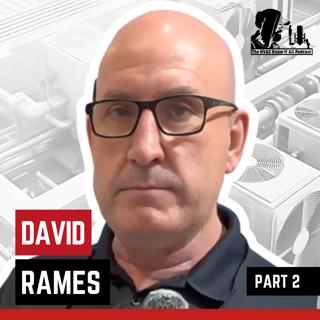
HVAC Evacuation Myths for Installers to Fix System Failures with Torque Tools – David Rames Part 2
In this episode of the HVAC Know It All Podcast, host Gary McCreadie continues his conversation with David Rames, Senior Product Manager at Midea America. In Part 2, David talks about the importance of pressure testing and evacuating each line set in multi-zone ductless systems. He emphasizes using a torque wrench to avoid over-tightening flare nuts, which can cause leaks. David also explains the dry mode feature in Midea systems, designed to control humidity effectively. The episode wraps up with advice on proper installation, maintenance, and the value of training to ensure quality work and satisfied customers. David Rames discusses the importance of pressure testing and evacuating each line set in multi-zone ductless systems. He explains how using a torque wrench can prevent over-tightening flare nuts, which can cause refrigerant leaks. David also highlights the dry mode feature in Midea systems, which helps manage humidity by slowing down the fan and cooling the room. The episode wraps up with advice on proper installation, leak testing, and the need for thorough training to ensure quality installs and satisfied customers. Throughout this episode, David talks about the steps to ensure a proper installation in multi-zone ductless systems. He explains the importance of pressure testing and evacuating each line set separately to avoid leaks. David also discusses the need for using a torque wrench to avoid over-tightening flare nuts. He highlights the dry mode feature in Midea systems, which helps control humidity. Lastly, he shares tips on doing thorough training and following manuals to get the best results on every job. Expect to Learn: Why is pressure testing and evacuating each line set crucial? How a torque wrench prevents over-tightening flare nuts. What the dry mode feature in Midea systems does for humidity control. The importance of following the installation manual for better results. Why thorough training ensures high-quality installs and satisfied customers. Episode Highlights: [00:00] - Intro to Part 02 with David Rames [01:33] - Key steps for pressure testing and evacuation [02:59] - Using a torque wrench the right way [05:36] - Manuals matter for a clean install [07:23] - Understanding torque ranges and flare fitting [09:25] - Leak testing tips and skipping filter dryers [10:56] - Doing evacuation and decay tests properly [13:56] - Good installs stop blaming on equipment [16:42] - Using dry mode for better humidity control [18:12] - How dry mode changes fan speed and coil temp [20:12] - When misuse, not installation, causes complaints [25:21] - Wrap-up and where to learn more about Midea 🔥 Think You've Got What It Takes? Enter the ServiceTitan HVAC National Championship powered by Trane for your shot at $100K and a trip to Florida! 📅 Complete the quiz by June 30 to qualify for the next round. 👉 Take the Quiz Here: https://www.hvacnationals.com/ This Episode is Kindly Sponsored by: Master: https://www.master.ca/ Cintas: https://www.cintas.com/ Supply House: https://www.supplyhouse.com/ Cool Air Products: https://www.coolairproducts.net/ Follow the Guest David Rames on: LinkedIn: https://www.linkedin.com/in/david-rames-06742814/ Midea America: https://www.linkedin.com/company/midea-america-corp/ HVAC Nationals Competition: https://www.hvacnationals.com/ Follow the Host: LinkedIn: https://www.linkedin.com/in/gary-mccreadie-38217a77/ Website: https://www.hvacknowitall.com Facebook: https://www.facebook.com/people/HVAC-Know-It-All-2/61569643061429/ Instagram: https://www.instagram.com/hvacknowitall1/
26 Kesä 202527min