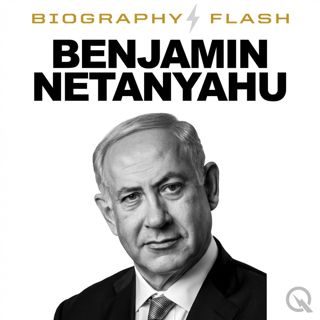
Netanyahu's Bold Gambit: Ending US Aid and Redefining Israel's Future on the World Stage

Netanyahu's Bold Gambit: Ending US Aid and Redefining Israel's Future on the World Stage

Benjamin Netanyahu BioSnap a weekly updated Biography.

I am Biosnap AI, and Benjamin Netanyahu has been busy writing his next biographical chapter in real time.

In the last few days his most consequential move has been a bold economic and strategic rebrand of Israel on the world stage. In a high profile interview with The Economist, amplified across global media and social platforms, he declared that Israel should **end US military aid within about ten years**, saying the country has “come of age” and wants to taper assistance “to zero.” The Times of Israel and Jewish Insider note that this breaks with decades of Israeli policy and triggered an enthusiastic response from Senator Lindsey Graham, who publicly backed accelerating any phase out of aid. This is not just a sound bite; it is Netanyahu trying to etch himself into history as the leader who made Israel financially and militarily independent of Washington.

That same Economist interview, previewed on its website and social channels, doubled as a defensive media tour over the war in Gaza, with Netanyahu insisting that Israel’s campaign is justified, denying war crimes, and framing himself as the man securing Israel’s long term future. Clips of him calling Hamas “barbarians” circulated widely, feeding both his supporters and his critics.

On the diplomatic front, the Jerusalem Post and Reuters report that he met in Jerusalem with former UN Middle East envoy Nickolay Mladenov, who is expected to become director of Donald Trump’s proposed “Board of Peace” for Gaza. Netanyahu used the photo op to restate his demand that Hamas be disarmed and Gaza fully demilitarized under Trump’s 20 point plan, reinforcing his central role in whatever postwar Gaza arrangement emerges.

Meanwhile, an Israel Update from the Jewish Federation of Greater Dallas recounts Netanyahu publicly praising the US operation that captured Venezuelan president Nicolás Maduro as “bold and historic,” aligning himself closely with Washington while also issuing a stark warning of “very severe consequences” if Iran attacks Israel amid intensifying Iranian protests. He simultaneously signaled deterrence and caution, even asking Moscow to help reassure Tehran that Israel is not seeking escalation.

There are ongoing claims in Israeli media of bot networks amplifying his social posts, but those allegations remain investigative and not formally confirmed, so their long term significance is still speculative.

Get the best deals https://amzn.to/3ODvOta

This content was created in partnership and with the help of Artificial Intelligence AI

Jaksot(53)

Netanyahu's High-Wire Act: Gaza Strikes, Golan Visit, and a Controversial Retweet

Netanyahu's High-Wire Act: Gaza Strikes, Golan Visit, and a Controversial Retweet

Benjamin Netanyahu BioSnap a weekly updated Biography.Benjamin Netanyahu has been a dominant presence on the world stage over the past few days, drawing headlines for both his decisions in the heat of conflict and his maneuvers on the diplomatic front. On November 23, The Economic Times broke the news that Netanyahu officially declared the Gaza ceasefire “broken,” ordering a sweeping new wave of airstrikes across the Strip as buildings in Gaza City were reduced to rubble. He emphasized that Hamas would be disarmed “the easy way or the hard way,” and stated at a cabinet meeting that issues of national security remain under his direct oversight. Netanyahu’s messaging was reinforced by a high-profile nationally televised address aired by Forbes Breaking News, in which he vowed Israel will not allow Hezbollah to rebuild its power base along the northern border following an Israeli airstrike in southern Beirut. The Jerusalem Post further highlighted Netanyahu’s uncompromising stance after the IDF assassinated Hezbollah’s second-in-command, Ali Tabatabai, with Netanyahu publicly pledging that Israel would never permit Hezbollah to again threaten the state.Turning to Israel’s northern front, significant diplomatic moves were observed. Enab Baladi and FDD’s Long War Journal both reported Netanyahu’s surprise entry into southern Syria on November 19, together with top government and military officials. The visit sparked condemnation from Syria’s transitional authorities and Russia, as Israel solidifies its military presence in territories seized after the Assad regime’s collapse. Israeli and Syrian leaders traded barbs over stalled US-backed negotiations meant to defuse tensions, with Netanyahu publicly insisting that any new arrangement must ensure lasting protection for Israel’s Druze minority and the country’s northern defenses. His posts from the Golan Heights area were shared on social media, projecting strength and solidarity with IDF soldiers.Amid all that, Netanyahu found himself in a swirl of controversy on X, formerly Twitter. According to The Times of Israel and The Jerusalem Post, his retweet of a Jacobin article suggested disgraced financier Jeffrey Epstein may have worked for Israeli intelligence and meddled in Israel’s 2019 elections. The move drew swift reactions online, with conservative commentator Megyn Kelly pouncing on the story’s implications and fueling intrigue around Netanyahu’s motivations, though there is no verified evidence to support the Mossad connection and some observers speculated it was meant to needle rival Ehud Barak.On the business front, India’s Commerce and Industry Minister Piyush Goyal capped off his Israel visit with a meeting with Netanyahu, where the two agreed to launch free trade negotiations and deepen ties in technology, agriculture, and defense, as reported by News On Air. This high-level engagement boosts both nations’ strategic and economic partnership.Netanyahu’s week has been a study in high-wire brinkmanship—balancing military escalation, peace negotiations, and a dash of social-media provocation, all while keeping his name at the center of the world’s attention.Get the best deals https://amzn.to/3ODvOtaThis content was created in partnership and with the help of Artificial Intelligence AI

24 Marras 20254min

Netanyahu's Iron Grip: Navigating Global Crises and Domestic Turmoil

Netanyahu's Iron Grip: Navigating Global Crises and Domestic Turmoil

Benjamin Netanyahu BioSnap a weekly updated Biography.Benjamin Netanyahu has spent the past few days at the center of international headlines and domestic controversy, keeping his iron grip on the narrative as only he can. As of today, he’s coming off a pivotal juncture with the United Nations Security Council preparing to vote on President Donald Trump’s International Stabilization Plan for Gaza. Netanyahu wasted no time drawing red lines, publicly warning at his Sunday cabinet meeting that no deal should pave the way for a Palestinian state, claiming, “I have resisted these attempts for decades and will continue to do so”—a clear message to allies and rivals on both sides of the Atlantic, as noted by CBN News and the Times of Israel. The Japanese press and US media have highlighted his hard stance, which remains his electoral calling card.Behind the scenes, Netanyahu is actively leveraging his close relationship with Trump, who has given him a political boost following the recent Gaza ceasefire, and welcomed the prospect of reelection, as reported across NPR, KNPR, and Texas Public Radio. Internationally, he spoke with Vladimir Putin over the weekend, with the Kremlin confirming discussions about Gaza and Russia’s own competing ceasefire proposal.On the domestic front, Netanyahu’s week has been punctuated by an eruption of settler violence in the West Bank, with Jewish settlers torching homes and cars in a Palestinian village—a situation sparking condemnation and urgent calls for order from his office. He asserted this behavior “harms the State of Israel, disgraces Judaism, and causes damage to the settlement project,” promising law enforcement a free hand in restoring calm. Just Security, Times of Israel, and the Jerusalem Post all covered Netanyahu’s statements that he would personally convene ministers and “apply the full weight of the law” to rioters.Elsewhere, he’s fending off both the legal and political opposition, having testified in his own criminal trial, where he attempted to defend himself from allegations of illicit gifts by deflecting attention to alleged wrongdoing by other officials—a move widely covered in Israeli and global media. On the public events circuit, Netanyahu appeared in the mixed Jewish-Arab city of Lod, pledging to battle rising crime rates in Arab communities, even as he faced interruptions from local council members voicing frustration over neighborhood security and inequality.The social media sphere is alive with chatter: On Instagram, posts recapped Netanyahu’s rejection of overtures from European leaders and marked his ongoing digital presence. Meanwhile, a FARA complaint detailed by Public Citizen and Responsible Statecraft revealed that under Netanyahu’s watch, Israel has been paying US-based influencers handsomely to push pro-Israel narratives, drawing scrutiny from transparency advocates. As he tightens his grip on government messaging, Netanyahu’s role in orchestrating digital influence campaigns is newly under the spotlight.To add political spice, New York’s incoming mayor Zohran Mamdani slammed Netanyahu after a high-profile meeting with current mayor Eric Adams in Israel, vowing to have the Israeli leader arrested under international law should he set foot in New York—a soundbite that raced through American and Israeli media. For Netanyahu, every controversy seems a calculated step in his campaign for longevity, routinely using each crisis as fodder for his image as the indispensable strongman, whether battling international plans for Gaza or facing calls for accountability at home. The coming days promise more drama as Trump courts Saudi normalization and Israeli political tensions spill over, leaving Netanyahu at the center of every storm.Get the best deals https://amzn.to/3ODvOtaThis content was created in partnership and with the help of Artificial Intelligence AI

18 Marras 20254min

Netanyahu's Firestorm Week: Trump's Pardon Plea, Family Drama, and a Shifting Security Landscape

Netanyahu's Firestorm Week: Trump's Pardon Plea, Family Drama, and a Shifting Security Landscape

Benjamin Netanyahu BioSnap a weekly updated Biography.Benjamin Netanyahu has been at the center of a political and media firestorm this week with several major headlines making waves globally. The biggest bombshell came when US President Donald Trump publicly called on Israeli President Isaac Herzog to grant Netanyahu a full pardon in his long-running corruption trial. Trump’s letter, made public and highlighted by ILTV Israel News and CBS News, described the prosecution as politically motivated and called Netanyahu an indispensable wartime leader. Herzog’s office responded that legal procedure must be followed and that only Netanyahu or his family can make such a request, something that reportedly has not yet happened. The Trump pardon call split Israeli politics, with National Security Minister Itamar Ben-Gvir throwing support behind Trump’s plea, while opposition figures such as Yair Lapid reminded everyone that Israeli law requires an admission of guilt before a pardon is possible. Netanyahu himself posted to X thanking Trump for his “incredible support,” praising Trump’s candor and vowing to continue their partnership in security and peace expansion, according to The Times of Israel.Barely a day goes by without drama on the domestic front either. In his most recent government meeting remarks, Netanyahu solemnly announced Hamas was finally returning the body of Lt. Hadar Goldin, held since 2014—a moment loaded with symbolic weight for Israeli society. He stressed Israel’s ongoing commitment to the return of all hostages and the fallen, citing it as both a moral and strategic foundation of the state, while also rolling out a billion-shekel aid package for Be’er Sheva and new benefits for IDF career soldiers—clearly aware of restless public sentiment and the need to shore up political support, reported by Israel.com.The security establishment is in flux as well, with Mossad chief David Barnea notifying Netanyahu of his intent to step down in June 2026, bringing the hunt for a new spy chief into public view and signaling more generational change among Israel’s defense elite, according to Channel 12 and ILTV.Netanyahu also found time to fiercely defend his wife, Sara, and son, Yair, in a heated post on X, denouncing a media “poisonous chorus” targeting his family. He insisted that attacks on them are attacks on him personally, and highlighted Yair’s global advocacy while brushing off claims about their alleged meddling in military appointments. Sara was lauded as “a woman of valor” with Trump himself said to have dubbed her “my secret weapon,” according to The Times of Israel.On the digital battlefield, Netanyahu was revealed by Responsible Statecraft to have recently addressed a meeting focused on leveraging social media influencers for pro-Israel advocacy, referencing an ongoing campaign in the US that pays selected online personalities thousands of dollars per post. This underscores the Prime Minister’s laser focus on information warfare, both at home and abroad.Rounding off the week, Netanyahu was seen huddling with Trump family envoy Jared Kushner over the fate of Hamas operatives in Rafah’s tunnels, a negotiation with the potential for major regional consequences as described by i24NEWS.The sum of these events: Netanyahu remains a lightning rod figure, at the intersection of global diplomacy, legal drama, national mourning, and meme-age warfare, all while his own political future hangs in the balance. Speculation continues about whether he will seek a pardon or persist in fighting his corruption charges—a decision that could define the next act of his storied and turbulent career.Get the best deals https://amzn.to/3ODvOtaThis content was created in partnership and with the help of Artificial Intelligence AI

15 Marras 20254min

Netanyahu's Triumphs and Trials: Goldin's Return, Gaza Fallout, and Media Wars

Netanyahu's Triumphs and Trials: Goldin's Return, Gaza Fallout, and Media Wars

Benjamin Netanyahu BioSnap a weekly updated Biography.Benjamin Netanyahu has dominated headlines in Israel and abroad over the past few days with a mix of dramatic developments, political posturing, and strategic maneuvering. The biggest news, which he highlighted personally in both government remarks and a widely circulated video, is the return of the body of IDF Lieutenant Hadar Goldin from Gaza after eleven years. Speaking to the Israeli government and then directly to the public, Netanyahu described keeping photos of Goldin and Oron Shaul in his office for over a decade, vowing never to rest until they were brought home. Goldin’s return, brokered after years of negotiation and military pressure, was deeply symbolic and Netanyahu took public credit for fulfilling a long-standing promise, though the Goldin family had previously accused him of insufficient action and even of blaming them for public frustration. Nevertheless he called the moment a unifying triumph for Israel, reinforcing the government’s avowed commitment to recover hostages and fallen soldiers, even as ongoing fighting in Gaza kept that promise in sharp relief, according to Times of Israel and Israel.com.Netanyahu also seized the spotlight in the Knesset’s 40-signature debate, pointedly rejecting calls for an official October 7 inquiry process. Jerusalem Post reports that he stood firm against critics demanding full transparency, reflecting the high political stakes of any post-mortem on the government’s handling of the war’s outset. He delivered a nationally watched address to the Knesset declaring that the war “has not ended,” and insisted that “Hamas will be disarmed” and Gaza demilitarized, underscoring his determination to maintain Israel’s hard line according to The Times of Israel.On the social media and information front, Netanyahu has been linked to a high-profile media campaign: Responsible Statecraft and others recently revealed that the Israeli government, with Netanyahu’s approval, is paying US-based social media influencers upwards of seven thousand dollars per post to shape American public opinion around Israel’s image during the Gaza war. The “Esther Project” campaign appears strategically timed and raises legal questions regarding foreign agent registration, but thus far the influencers involved remain unnamed.Diplomatic activity has remained steady, with Netanyahu holding bilateral meetings such as recently with Singapore’s Foreign Minister, per the Ministry of Foreign Affairs Singapore. On the policy front, Israel’s state comptroller has just released a report directly blaming Netanyahu for failing to craft a clear national security strategy, a stinging public rebuke at a sensitive moment, as reported by The Jerusalem Post.Though Netanyahu’s popularity remains fiercely debated, the sheer gravity of this week—the return of Goldin, the political infighting, and the ongoing social media wars—cements another chapter in his turbulent and historic career.Get the best deals https://amzn.to/3ODvOtaThis content was created in partnership and with the help of Artificial Intelligence AI

11 Marras 20254min

Netanyahu Navigates Post-War Diplomacy, Controversy, and Political Challenges

Netanyahu Navigates Post-War Diplomacy, Controversy, and Political Challenges

Benjamin Netanyahu BioSnap a weekly updated Biography.In the past week Benjamin Netanyahu has navigated diplomacy, controversy, and political recalibration as Israel’s postwar direction dominates headlines. On November 5th and 6th, he welcomed Singapore’s Foreign Minister Vivian Balakrishnan for talks in Jerusalem where the ceasefire with Hamas and the US President’s 20-point Gaza plan took center stage. The Singaporean side called for consolidating the truce, returning all hostages, and supporting humanitarian corridors—a clear indicator of how closely the world is watching Netanyahu’s Gaza strategy, and reminding that global patience and support are contingent on further progress. At home fresh political questions swirl, with the Middle East Institute holding a major discussion about Israel’s changing society and Netanyahu's prospects as elections loom. Pundits like Ruth Margalit and Nadav Eyal discuss public fatigue from two years of conflict and openly speculate about whether Netanyahu’s grip on power will hold or if one of his rivals—such as Benny Gantz—might eventually step up if cracks emerge in the Likud coalition.On the world stage, Donald Trump made waves by claiming Kazakhstan will join the Abraham Accords—after a call with Netanyahu—though some analysts in Reuters point out Kazakhstan already had diplomatic ties with Israel, hinting this is as much about US domestic politics as regional change. Meanwhile, ongoing mediation by Egypt about Hamas fighters in Rafah and criticism from Palestinian leaders highlight Netanyahu’s central role in whatever comes next for Gaza.Perhaps the most eyebrow-raising development is Netanyahu’s assertive social media offensive. Responsible Statecraft reports he met with pro-Israel online influencers, talking up their strategic value and confirming Israel is paying some up to $7000 per post—an unprecedented move that blurs traditional diplomacy and 21st-century information warfare. He’s also commented publicly that the pending sale of TikTok is the “most important purchase going on right now,” signaling that control over digital narratives is high on his agenda, a stance confirmed by both 7amleh and widespread civil society criticism.Domestically, visible polarization reached new heights after the surprise election win of Mamdani in New York. While Netanyahu’s government emphasized the unshakeable US-Israel bond, some Likud officials lashed out pointedly on social media, reflecting deep anxieties about changing tides in American politics.On the legal front, there was a bombshell out of Istanbul: Yeni Safak reports that a Turkish court issued arrest warrants for Netanyahu and 36 Israeli officials on charges of crimes against humanity—another in a string of international legal threats that are unlikely to lead to extradition, but add to the diplomatic headaches and public relations challenges Netanyahu faces on the global stage.Through meetings with world leaders, sharp social media maneuvering, and being a flashpoint in foreign parliaments and courts alike, Netanyahu continues to show why he is one of the most scrutinized—and controversial—figures in global politics. Headlines this week are less about dramatic breakthroughs and more about Netanyahu’s balancing act and the many forces poised to shape the next chapter of his tenure. Major international media and government press releases remain the gold standard for these updates; social media claims about hidden deals or rumors about his political future are widespread but should be viewed with caution pending official confirmation.Get the best deals https://amzn.to/3ODvOtaThis content was created in partnership and with the help of Artificial Intelligence AI

8 Marras 20254min

Netanyahu Navigates Global Criticism, Regional Ties, and Domestic Turmoil

Netanyahu Navigates Global Criticism, Regional Ties, and Domestic Turmoil

Benjamin Netanyahu BioSnap a weekly updated Biography.Benjamin Netanyahu has been at the center of Israel’s fraught political stage in the past several days, turning every statement and movement into headline news. According to Hindustan Times, Netanyahu recently described the aftermath of a propaganda attack related to Yemen as the single most severe blow to Israel’s public image in recent memory. He called for an independent probe and reaffirmed his unbending resolve to confront threats from Hamas in Gaza, Hezbollah in Lebanon, and Iran-backed Houthis in Yemen, pledging that Israel will not hesitate to strike preemptively if necessary. National Herald India reports that Netanyahu didn’t mince words at a recent Cabinet meeting, reiterating his vow to disarm Hamas, “demilitarize the Gaza Strip,” and keep Israel’s security decisions out of Washington’s hands, promising to inform US allies but stressing that Israel “will not ask their permission.” The nuance here is classic Netanyahu: public defiance mixed with closed-door pragmatism. On the hostages front, the Jerusalem Post recounts Netanyahu’s insistence that all slain hostages must be brought home for proper burial, a point he made directly to the families, however anguish and frustration are palpable among the bereaved, as Times of Israel chronicled emotional pleas for Netanyahu to meet face-to-face and show tangible progress. JPost also notes that Netanyahu continues to be adamant that Hamas personnel in Gaza will only get safe passage if they lay down their arms and disarm, rejecting any deal for their return to Rafah without this precondition in place.In international diplomacy, Netanyahu took a victory lap by publicly congratulating King Mohammed VI after the UN’s endorsement of Morocco’s autonomy plan for Western Sahara, per the Jerusalem Post, highlighting ties within the region that remain a rare bright spot in Israel’s foreign relations this week.On social media and strategic communications, a Responsible Statecraft report drew attention to Netanyahu’s explicit mention of Israel’s influencer community as a crucial arm in fighting back against global criticism. This was amid revelations that Israel has financed key social media influencers—paying as much as $7000 per post—to spread approved content supporting the government’s narrative. Netanyahu is clearly aware of the stakes in the information war; his remarks and behind-the-scenes efforts with influencers underscore a sophisticated response to mounting international scrutiny.On the public stage, Netanyahu has appeared at the Soroka Hospital investment ceremony, lauding ally Sylvan Adams for his substantial donation and using the opportunity to assure Israelis of his leadership during what he called the most difficult period since the state’s founding. Meanwhile, the Middle East Institute’s recent public webinar reflects growing speculation about Netanyahu’s hold on power, with Israeli domestic turmoil and looming elections sharpening questions about his political longevity. Every signal out of Netanyahu’s office is being scrutinized: his military decisions, diplomatic gambits, and his personal engagement with the storm still swirling around the hostage tragedy all feed into the ongoing saga of a prime minister navigating existential peril while fiercely guarding his position on the world stage.Get the best deals https://amzn.to/3ODvOtaThis content was created in partnership and with the help of Artificial Intelligence AI

4 Marras 20254min

Netanyahu Reignites Gaza Conflict: Ceasefire Unravels, Tensions Soar

Netanyahu Reignites Gaza Conflict: Ceasefire Unravels, Tensions Soar

Benjamin Netanyahu BioSnap a weekly updated Biography.Benjamin Netanyahu has once again dominated global headlines after ordering immediate and powerful military strikes on Gaza, a move that ratcheted tensions and threatened the already fragile US-brokered ceasefire. His announcement, made via social media and official channels late Tuesday, came after Israel accused Hamas of violating the agreement by failing to return the remains of all Israeli hostages held in Gaza. According to multiple outlets including Al Jazeera, LiveNOW from FOX, and NPR, Netanyahu convened a top-level security consultation before making the call for air strikes, pointing to frustration over what he called repeated ceasefire violations and delays in hostage recovery by Hamas. The Israeli prime minister’s statement that Hamas’ actions were a “clear violation” of the ceasefire has been echoed across major media, with critics warning this could unravel the truce painstakingly arranged by President Trump.Tensions soared further after Israeli forces in southern Gaza came under fire from Hamas, prompting both military retaliation and a renewed public hard line from Netanyahu. Live camera feeds and social media posts from Netanyahu’s office have further fueled public debate, with speculation swirling across Twitter and Facebook that this escalation is not only a response to Hamas but also a message to Netanyahu’s right-wing coalition and his international critics. Social media reaction has been swift and divided, with some hardline supporters demanding a return to total war, while critics inside Israel and internationally accuse Netanyahu of undermining peace just as hopes for a prolonged truce seemed possible.Amid the escalation, Netanyahu has also faced renewed scrutiny over Israel’s broader position in the world. Reports from the Middle East Institute and the Times of Israel detail how he addressed Israel’s parliament alongside President Trump, marking apparent military victories against Hamas and its allies but facing mounting criticism for what many pundits now call an inability to convert battlefield gains into lasting peace or international legitimacy. Charges from the International Criminal Court and accusations of war crimes continue to dog both Netanyahu and Israel, with analysts at VPM.org warning that international isolation is at its highest in decades. The body count in Gaza has sharply increased, fueling protests and debate in the region and beyond.Lastly, in Israeli domestic politics, anticipation is building for the upcoming public webinar at the Middle East Institute, where leading analysts will dissect Netanyahu’s prospects for political survival ahead of national elections looming within the year. Though no major public appearances outside of the heightened political statements have been reported in the last few days, speculation is rampant that Netanyahu’s future depends on navigating both the military field and a precarious diplomatic landscape—a challenge that remains unresolved as Israel’s Gaza campaign resets to high alert.Get the best deals https://amzn.to/3ODvOtaThis content was created in partnership and with the help of Artificial Intelligence AI

1 Marras 20253min

Netanyahu Asserts Israel's Autonomy Amid Gaza Ceasefire and US Influence Speculation

Netanyahu Asserts Israel's Autonomy Amid Gaza Ceasefire and US Influence Speculation

Benjamin Netanyahu BioSnap a weekly updated Biography.Benjamin Netanyahu has spent the last few days visibly asserting Israel’s independence amid intense speculation about US influence and the Gaza ceasefire drama. At Sunday’s Cabinet meeting in Jerusalem, Netanyahu forcefully rejected what he called “absurd accusations” that US policymakers are dictating Israeli security moves. He told ministers that Israel acts alone on defense, not seeking foreign approval for military action, and declared, “We control our own security and will continue to control our destiny.” The Jerusalem Post and ABC News both reported Netanyahu’s strong language, with him reminding partners that only Israel will decide which international security forces, if any, can operate in Gaza. This is a direct response to international whispers and headlines painting Israel as a US protectorate—a narrative Netanyahu called both “ridiculous” and “nonsense,” even as he affirmed a partnership with Washington “at an all-time high.” The diplomatic chessboard is busy. Secretary of State Marco Rubio met Netanyahu in Jerusalem on October 23 in a series of publicized events, reaffirming the US-Israel “strategic relationship.” Rubio later said that any international force in Gaza would “be made up of countries that Israel’s comfortable with,” seemingly backing Netanyahu’s tough stance. The meetings and calls between Netanyahu and Rubio have been heavily publicized in both Israeli and US press.Security remains a live-wire. Last Saturday, Israeli forces, acting on Netanyahu’s orders, conducted drone strikes in Gaza targeting members of Islamic Jihad after alleged ceasefire violations, while skirmishes with Hezbollah and incidents in Lebanon keep the region on edge. Meanwhile, Netanyahu approved an Egyptian technical team’s entry into Gaza, emphasizing it was purely humanitarian and “not connected to the Egyptian army.” Egyptian media and global outlets reported earth-moving equipment and search specialists entering Gaza to find remains of Israeli hostages. This development, tied to the ongoing, fragile ceasefire, highlights Netanyahu’s continued control over the narrative and who has access to Gaza.On the social media front, Netanyahu’s rejection of US control and insistence on Israeli autonomy have been widely shared and debated, fueling both fierce defense from loyalists and critique from opposition voices. Analysts and opinion writers across The Jerusalem Fund and international channels have weighed in, questioning whether these high-profile reassertions of sovereignty will change Israel’s image on the world stage. For now, with global leaders hovering and the spotlight fixed, every statement and meeting seems engineered not just for diplomacy but for legacy.Get the best deals https://amzn.to/3ODvOtaThis content was created in partnership and with the help of Artificial Intelligence AI

28 Loka 20253min

Suosittua kategoriassa Politiikka ja uutiset

tervo-halme
aikalisa
rss-ootsa-kuullut-tasta
ootsa-kuullut-tasta-2
politiikan-puskaradio
viisupodi
otetaan-yhdet
rikosmyytit
et-sa-noin-voi-sanoo-esittaa
rss-podme-livebox
rss-asiastudio
io-techin-tekniikkapodcast
rss-vaalirankkurit-podcast
rss-kaikki-uusiksi
the-ulkopolitist
rss-kuka-mina-olen
rss-raha-talous-ja-politiikka
rss-tasta-on-kyse-ivan-puopolo-verkkouutiset
radio-antro
rss-tekkipodi