
Into the Woods, From Chestnut Genetics To Tiny Forests

Into the Woods, From Chestnut Genetics To Tiny Forests

American chestnut trees once towered over the landscape, dominating forests in parts of the eastern United States. But in the late 1800s, a fungal blight virtually wiped them out across the country. Chestnut restoration scientist Jared Westbrook tells Host Ira Flatow how new genetic work could speed up efforts to breed fungal resistance into hybrid chestnuts and create a heartier chestnut population.

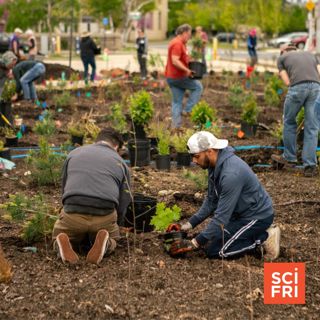
Then, author Hanna Lewis introduces Ira to the concept of miniforests, self-sustaining native forest ecosystems on a tiny footprint, like an empty lot or a schoolyard. The planting method, developed by botanist Akira Miyawaki, can help “rewild” small parcels of land by jump-starting forest development.

Read our full story, The Miniforest Movement Gains Ground In The U.S.

Guests:
Dr. Jared Westbrook is Director of Science for the American Chestnut Foundation in Asheville, North Carolina.
Hanna Lewis is the author of the book Mini-Forest Revolution: Using the Miyawaki Method to Rapidly Rewild the World. She works for non-profit Renewing the Countryside in Minneapolis, Minnesota.

Transcripts for each episode are available within 1-3 days at sciencefriday.com.

Subscribe to this podcast. Follow our show on Instagram, TikTok, Facebook, and Bluesky @scifri and sign up for our newsletters. Got a science question that’s keeping you up at night? Call us: 877-472-4374


Hosted by Simplecast, an AdsWizz company. See pcm.adswizz.com for information about our collection and use of personal data for advertising.

Tämä jakso on lisätty Podme-palveluun avoimen RSS-syötteen kautta eikä se ole Podmen omaa tuotantoa. Siksi jakso saattaa sisältää mainontaa.

Jaksot(1379)

How do you find a ‘lost’ species?

How do you find a ‘lost’ species?

The earth is facing a biodiversity crisis, and there’s a lot of attention on species that are threatened, or at risk of dying out completely. But, there’s another critter category that’s a little more...

14 Elo 18min

What we get wrong about vaccine hesitancy

What we get wrong about vaccine hesitancy

President Trump has signed an executive order calling for a change to the childhood vaccination schedule. Specifically, he wants to separate the MMR vaccine, which protects against measles, mumps, and...

13 Elo 12min

Why this lab studies the speed of bug pee and other curiosities

Why this lab studies the speed of bug pee and other curiosities

In a lab in the Rocky Mountains, a group of scientists is hard at work trying to find answers across biology, physics, and engineering: They’re looking into things like the hydrodynamics of insect pee...

12 Elo 18min
Some primates undergo even more extreme childbirth than humans

Some primates undergo even more extreme childbirth than humans

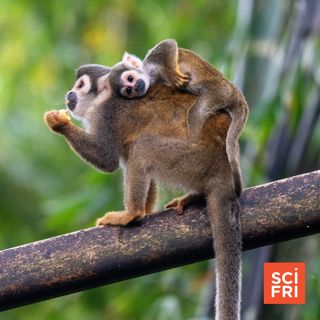
Human childbirth is often difficult and incredibly painful—just ask anyone who’s been through it. And for a long time, childbirth seemed to be uniquely difficult for humans. But a new study suggests t...

11 Elo 11min
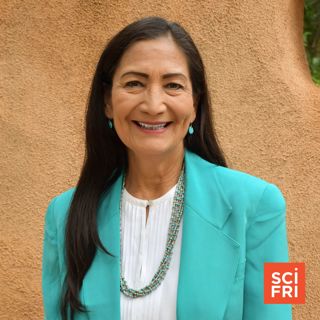
Deb Haaland is a politician, and proud of it

Deb Haaland is a politician, and proud of it

Former Interior Secretary Deb Haaland, a member of the Laguna Pueblo tribe, was the first Native person to hold a cabinet position. Now she’s running to be governor of New Mexico.  Haaland joins Host ...

10 Elo 17min
Sitting all day is terrible for us. Moving a little can help

Sitting all day is terrible for us. Moving a little can help

Keeping your butt in a seat for hours a day increases the risk of heart attacks, diabetes, psychiatric conditions, and more. But in our tech-filled world, many of us lead sedentary lives, whether beca...

7 Elo 18min

A Nagasaki survivor and physician recounts his life's work

A Nagasaki survivor and physician recounts his life's work

Dr. Masao Tomonaga was only 2 years old when the United States bombed his home city of Nagasaki. He survived, and grew up to become a physician for other survivors, known as hibakusha. He also studied...

6 Elo 18min
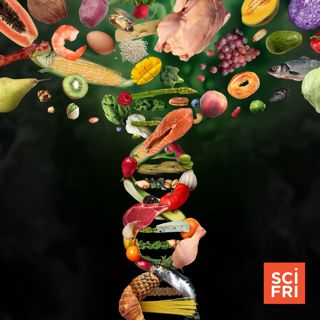
What do people eat? Plant and animal DNA in sewage provide clues

What do people eat? Plant and animal DNA in sewage provide clues

Imagine you wanted to get a general idea of what people are eating in a given community. You could look at grocery store sales, or do surveys, but neither can capture a complete picture.  Microbiome r...

5 Elo 12min

Suosittua kategoriassa Tiede

rss-poliisin-mieli
tiedekulma-podcast
rss-mita-tulisi-tietaa
rss-tiedetta-vai-tarinaa
docemilia
rss-duodecim-lehti
rss-radplus
utelias-mieli
hippokrateen-vastaanotolla
rss-hereilla
rss-ranskaa-raakana
rss-bios-podcast
filocast-filosofian-perusteet
rss-tervetta-skeptisyytta
mielipaivakirja
radio-antro