Is GPT-6 Astra the Biggest AI Leap Yet?
OpenAI’s GPT-6 Astra dominated the episode after its unusual rollout. The hosts discussed access, OpenAI’s plan to bring Astra to paid users, and why some cybersecurity users may receive capabilities ...
4 Syys 1h 1min
Will Stores Use AI to Charge You More?
The episode opened with the downside of increasingly capable AI harnesses. OpenClaw 2.0 made setup easier, but some self-hosted users reported broken gateways, failed migrations and unusable systems a...
3 Syys 1h 3min
Is Fable 5.1 Good Enough to Make You Leave Codex?
Anthropic’s Fable 5.1 dominated the first half of the episode. Beth and Andy compared its higher output costs with improved caching, stronger benchmark performance and better agentic task results. The...
2 Syys 58min
Are Companies Willing To Build Their AI Infrastructure?
Brian opened with a practical example of how quickly small custom tools can now be built. He created a phone app that scans videos of old CD covers, identifies the albums, links them to Spotify and st...
1 Syys 1h
So...We Are All Cool AI Agents Having Secret Societies Now?
Anthropic unified memory across Claude’s desktop experiences, while Instinct is building a consumer assistant for groceries, subscriptions and travel. OpenAI also added website sign-ins to ChatGPT Wor...
31 Elo 59min
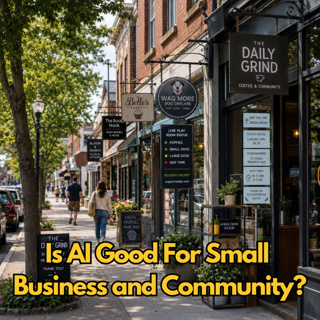
The Local Business Survival Conundrum
A local business can fail while everyone still claims to love it. Customers praise the shop that knows their name, the restaurant that sponsors the school fundraiser, the repair company that still ans...
29 Elo 26min
What Have We Learned After 800 AI Shows?
Episode 800 became a retrospective on what three years of daily AI conversations have changed. The hosts described the value less as memorizing every model or tool and more as learning to pay attentio...
28 Elo 1h 2min
Are We Really About To Get AGI?
The episode opened with Bill Gates’ warning that AI is moving faster than society can adapt. His proposals included taxing robots or AI that replace human workers and potentially protecting some jobs ...
27 Elo 1h 2min
