
Erase browser history: can AI reset the browser battle?

Erase browser history: can AI reset the browser battle?

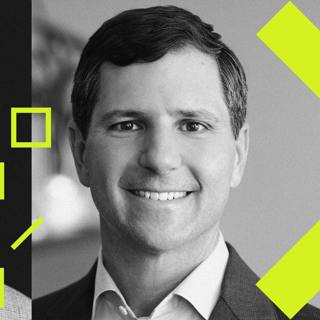
Hello and welcome to Decoder. I’m Nilay Patel, editor in chief of The Verge, and Decoder is my show about big ideas, and other problems. Today, I'm talking to Mitchell Baker, the chairwoman and CEO of Mozilla, the organization behind the Firefox browser, the Thunderbird email client, the Pocket newsreader, and a bunch of other interesting internet tools. Now as you all know, Decoder is secretly a podcast about org charts – maybe not so secretly, and Mozilla’s structure is really interesting. Mozilla itself is a nonprofit foundation, but it contains within it something called the Mozilla Corporation, which actually makes Firefox and the rest. Mitchell is the chairwoman of the foundation, and the CEO of the corporation. And the Mozilla Corporation, which they charmingly call MoCo, can make a profit - or it can least be taxed, which is an important distinction you’ll hear Mitchell talk about. I bring this up because Mozilla has been around since 1994 in a variety of structures and business models – it started as a company called Netscape, and Mitchell was one of the first employees in the legal department. Netscape’s product was Netscape Navigator, the first commercial web browser, which of course changed the consumer internet and scared Microsoft so much it did a bunch of anticompetitive things that led to the famous antitrust case. In the meantime, Netscape got sold to AOL, and along the way Mitchell led the somewhat renegade Mozilla Project inside the company which eventually lead to Mozilla the non-profit foundation that eventually launched Firefox. It’s a lot! But now Mitchell is trying to live up to Mozilla’s nonprofit ideals of protecting the open internet while still trying to compete and cooperate with tech giants like Apple and Google. And these are complicated relationships: Google still accounts for a huge percentage of Mozilla’s revenue – it pays hundreds of millions of dollars to be the default search engine in Firefox. And Apple restricts what browser engines can run on the iPhone – Firefox Focus on the iPhone is still running Apple’s webkit engine, something that regulators, particularly in Europe want to change. On top of all that, some big foundational pieces of the web are changing: Microsoft is aggressively rolling out its chatGPT-powered Bing search engine in an effort to displace Google and get people to switch to the Edge browser, and Twitter’s implosion means that Mitchell sees Mastodon as one of Mozilla’s next big opportunities. So how does Mozilla get through this period of change while staying true to itself? And will anyone actually switch browsers again? Turns out – it might be easier to get people to switch on phones, than on desktops. That’s Mozilla’s belief, anyway. Links: Netscape - Wikipedia The State of Mozilla: 2021 — 2022 Annual Report The future of computers is only $4 away, with Raspberry Pi CEO Eben Upton Firefox drops Google as default search engine, signs five-year deal with Yahoo Microsoft thinks AI can beat Google at search — CEO Satya Nadella explains why Microsoft announces new Bing and Edge browser powered by upgraded ChatGPT AI A beginner’s guide to Mastodon, the hot new open-source Twitter clone Transcript: https://www.theverge.com/e/23362385 Credits: Decoder is a production of The Verge and part of the Vox Media Podcast Network. It was produced by Creighton DeSimone and Jackie McDermott and it was edited by Callie Wright. The Decoder music is by Breakmaster Cylinder. Our Editorial Director is Brooke Minters and our Executive Director is Eleanor Donovan. Learn more about your ad choices. Visit podcastchoices.com/adchoices

Jaksot(903)

Experian's tech chief defends credit scores: 'We're not Palantir'

Experian's tech chief defends credit scores: 'We're not Palantir'

Experian is one of those giant multinationals convoluted enough to have multiple CEOs all over the world, so first I asked Alex Lintner, Experian's CEO of technology and software solutions, to dig into the classic Decoder questions and explain how all of that even works. He oversees big operations like security and privacy, and now, of course, AI. If you want to participate in the modern economy — rent an apartment, buy a car, get a job, etc  — you’re part of Experian’s ecosystem, whether you like it or not. At its heart, Experian’s core service is data about people and the choices they make. And this extremely valuable data weirdly makes Experian a part of your life  — a life that becomes much smoother if the data the company collects about you tells a good story.  Links:  Roughly half of Americans are knowledgeable about personal finance | Pew Research How Americans view data privacy | Pew Research Consumer voices on credit reports and scores | CFPB Mercedes-Benz CEO Ola Källenius on Decoder | The Verge The Palantir app ICE uses to find neighborhoods to raid | 404 Media T-Mobile customers exposed in major Experian breach (2015) | The Verge All the news about the Equifax breach | The Verge Subscribe to The Verge to access the ad-free version of Decoder! Credits: Decoder is a production of The Verge and part of the Vox Media Podcast Network. Decoder is produced by Kate Cox and Nick Statt and edited by Ursa Wright. Our editorial director is Kevin McShane.  The Decoder music is by Breakmaster Cylinder. Learn more about your ad choices. Visit podcastchoices.com/adchoices

26 Tammi 1h 9min

Why nobody's stopping Grok

Why nobody's stopping Grok

Grok, the chatbot made by Elon Musk’s xAI, is able to make all manner of AI-generated images on demand, including non-consensual intimate images of women and minors. It's the kind of "controversy" that would have completely sunk a platform five or 10 years ago, but now it seems clear that Elon wants Grok to be able to do this. A lot of people feel like someone should be able to do something about a one-click harassment machine like this. But who has that power, and what they can do with it, is a deeply complicated question,tied up in the thorny mess of history that is content moderation and the legal precedents that underpin it. So I invited Riana Pfefferkorn, from the Stanford Institute for Human-Centered Artificial Intelligence, to come talk me through it. Links:  Grok’s gross AI deepfakes problem | The Verge Grok is undressing children — can the law stop it? | The Verge Tim Cook and Sundar Pichai are cowards | The Verge Senate passes a bill to let nonconsensual deepfake victims sue | The Verge EU looks to ban nudification apps following Grok outrage | Politico Grok flooded X with millions of sexualized images | The New York Times The Supreme Court just upended internet law | The Verge Mother of Elon Musk’s son sues xAI over sexual deepfake images | AP Subscribe to The Verge to access the ad-free version of Decoder! Credits: Decoder is a production of The Verge and part of the Vox Media Podcast Network. Decoder is produced by Kate Cox and Nick Statt and edited by Ursa Wright. Our editorial director is Kevin McShane.  The Decoder music is by Breakmaster Cylinder. Learn more about your ad choices. Visit podcastchoices.com/adchoices

22 Tammi 1h 5min

Razer CEO on AI in game dev, Grok, and anime waifus

Razer CEO on AI in game dev, Grok, and anime waifus

We’re back to start the year with a very special live interview with Razer CEO Min-Liang Tan, which we taped in front of a terrific audience at Brooklyn Bowl in Las Vegas during CES. At this year’s show, Razer made headlines for something it calls Project Ava, an AI companion that has a physical presence in the real world, as an anime hologram that sits in a jar on your desk. It’s powered by, you guessed it, Elon Musk’s Grok.  There are a whole lot of choices bundled up in all of that, as well as Razer’s decision to go all-in on AI at a moment when the gaming community is outright rejecting it. So Min and I really got into it. I think you’ll have a lot to think about with this one.  Links:  Razer is making an AI anime waifu hologram for your desk | The Verge Razer thinks you’d rather have AI headphones instead of glasses | The Verge Baldur’s Gate 3 studio says it won’t use AI for concept art or writing | The Verge In 2025, AI became a lightning rod for gamers and devs | The Verge Razer plans $600M push to capture 'untapped' AI gaming demand | Bloomberg Replika CEO says it’s okay if we end up marrying AI chatbots | Decoder Lawsuits blame ChatGPT for suicides and harmful delusions | NYT Inside three longterm relationships with AI chatbots | NYT Torment Nexus | Know Your Meme The future of gaming is AI | Razer (Instagram) Subscribe to The Verge to access the ad-free version of Decoder! Credits: Decoder is a production of The Verge and part of the Vox Media Podcast Network. Decoder is produced by Kate Cox and Nick Statt and edited by Ursa Wright. Our editorial director is Kevin McShane.  The Decoder music is by Breakmaster Cylinder. Learn more about your ad choices. Visit podcastchoices.com/adchoices

19 Tammi 1h 4min

Rewind: How private equity kills companies and communities

Rewind: How private equity kills companies and communities

Hey everyone, it’s Nilay. We’re settling back in here after the winter break and CES, and we’ll have new episodes for you starting next Monday. In the meantime, we wanted to highlight one of our favorites from last year: an interview with journalist and author Megan Greenwell about her book Bad Company: Private Equity and the Death of the American Dream. My conversation with Megan last year was extremely illuminating as to why private equity does what it does to industries like healthcare, media and real estate — and just how deeply it's affecting the everyday lives of Americans everywhere. It's a really great conversation that feels just as timely today as it did last summer. Enjoy.  Links:  Bad Company | HarperCollins How private equity kills companies and communities | Decoder Private equity bought out your doctor and bankrupted Toys ‘R’ Us | Decoder Private equity makes its first college sports play | Axios Private equity Is gutting America — and getting away with it | NYT I was fired from Deadspin for refusing to ‘stick to sports’ | NYT Will private equity be the next ‘Big Short’? | Marketplace The profit-obsessed monster destroying American ERs | Vox Why your vet bill is so high | The Atlantic The investment firms leave behind a barren wasteland’ | Politico Subscribe to The Verge to access the ad-free version of Decoder! Credits: Decoder is a production of The Verge and part of the Vox Media Podcast Network. Decoder is produced by Kate Cox and Nick Statt and edited by Ursa Wright. Our editorial director is Kevin McShane.  The Decoder music is by Breakmaster Cylinder. Learn more about your ad choices. Visit podcastchoices.com/adchoices

15 Tammi 51min

Dropout CEO Sam Reich on the business of subscription comedy

Dropout CEO Sam Reich on the business of subscription comedy

We’ve got something special for you today. It’s my friend Hank Green, longtime YouTuber, science educator, and viral TikTok star, interviewing Dropout CEO Sam Reich.  Hank did this episode as a guest host over the summer, and it’s a fan favorite, bringing together two internet personalities that’ve known each other for a very long time and who have a lot of inside knowledge about how the internet, Hollywood, and entertainment all intertwine. Links:  Dropout’s Sam Reich on business, comedy, and keeping the internet weird | Decoder How Dropout broke through in 2025 | AV Club Dropout CEO on launching ‘Superfan’ tier, crossing 1M subscribers | Variety How CollegeHumor reinvented itself for the new internet age | People CollegeHumor shaped online comedy. What went wrong? [2020] | Wired ‘I believe in this enough to try to do it myself’ [2020] | Digiday Jacob Wysocki needed a minute to process that Game Changer | Vulture Game Changer smartly weaponizes its online following | Mashable Vimeo CEO Philip Moyer is betting on the human touch | Decoder Vimeo to be acquired by Bending Spoons for $1.38B | The Verge Subscribe to The Verge to access the ad-free version of Decoder! Credits: Decoder is a production of The Verge and part of the Vox Media Podcast Network. Decoder is produced by Kate Cox and Nick Statt and edited by Ursa Wright. Our editorial director is Kevin McShane.  The Decoder music is by Breakmaster Cylinder. Learn more about your ad choices. Visit podcastchoices.com/adchoices

12 Tammi 1h 4min

What’s next for Netflix and Paramount in the Warner Bros. battle

What’s next for Netflix and Paramount in the Warner Bros. battle

Hey everyone, it’s Nilay. Decoder is on our holiday break. We’ve got a lot of fun stuff coming up in the New Year, though, including a special Decoder Live at CES. Stay tuned for more details, including how to RSVP for free tickets. In the meantime, we’ve got a great episode of the podcast Channels, featuring two of the best media reporters in the business. Host Peter Kafka sat down with Bloomberg’s Lucas Shaw to talk about the bidding war between Paramount SkyDance and Netflix over Warner Bros. Discovery. It’s the biggest story in entertainment right now, and this episode breaks down everything you need to know about the contentious acquisition.  Links:  "Neither Side Is Used to Losing”: Lucas Shaw on the battle for Warner Bros. | Channels Five things we’re getting wrong about Warner Bros.′ Netflix deal | Bloomberg Warner Bros.’ bidders brace for a fight that will last months | Bloomberg WBD wants its shareholders to reject Paramount’s latest offer | The Verge There are no good outcomes for the Warner Bros. sale | The Verge Netflix is “100% committed” to releasing WB films in theaters | The Verge Netflix is buying Warner Bros. for $83 billion | The Verge Subscribe to The Verge to access the ad-free version of Decoder! Credits: Decoder is a production of The Verge and part of the Vox Media Podcast Network. Decoder is produced by Kate Cox and Nick Statt and edited by Ursa Wright. Our editorial director is Kevin McShane.  The Decoder music is by Breakmaster Cylinder. Learn more about your ad choices. Visit podcastchoices.com/adchoices

22 Joulu 202543min

"All chaos and panic": Nilay answers your burning Decoder questions

"All chaos and panic": Nilay answers your burning Decoder questions

Hey everyone! Decoder senior producers Kate Cox and Nick Statt here. We’ve had a big year, including nearly 100 episodes, a new YouTube channel, an ad-free podcast feed, and a slate of great guest hosts while Nilay was on parental leave. It’s been a lot! We’ve also had a lot of great questions and comments this year from you, our audience. So we pulled together all the feedback we’ve received on topics like CarPlay, Monday episode guest suggestions, and — of course — AI. And then we turned the tables on Nilay to ask him his thoughts on the past 12 months: What we liked, what we want to improve, and how he’s making decisions for Decoder in the new year.  Links:  Answering your biggest Decoder questions, 2024 edition | Decoder The DoorDash Problem | Decoder How decision making changes when AI answers are cheap and (too) easy | Decoder Why GM will give you Gemini — but not CarPlay | Decoder Rivian CEO: ‘We’re really convicted’ about skipping CarPlay | Decoder How SharkNinja took over the home, with CEO Mark Barrocas | Decoder Why Tubi CEO Anjali Sud thinks free TV can win again | Decoder Disney accuses Google of copyright infringement following OpenAI deal | The Verge Subscribe to The Verge to access the ad-free version of Decoder! Credits: Decoder is a production of The Verge and part of the Vox Media Podcast Network. Decoder is produced by Kate Cox and Nick Statt and edited by Ursa Wright. Our editorial director is Kevin McShane.  The Decoder music is by Breakmaster Cylinder. Learn more about your ad choices. Visit podcastchoices.com/adchoices

18 Joulu 202556min

Stack Overflow users don't trust AI. They're using it anyway

Stack Overflow users don't trust AI. They're using it anyway

Stack Overflow CEO Prashanth Chandrasekar was last on the show in 2022 — just one month before ChatGPT launched and upended literally everything for Stack Overflow in a deeply existential way.  He called a company emergency, reallocated about 10 percent of the staff to figure out solutions to the ChatGPT problem, and made some pretty huge decisions about structure and organization to navigate that change — all of it pure Decoder bait. Links:  2025 Developer Survey | Stack Overflow The people who make your apps go to Stack Overflow for answers | Decoder OpenAI, Stack Overflow partner to bring technical knowledge to ChatGPT | The Verge Stack Overflow feeds programmers’ answers to AI whether they like it or not | The Verge Stack Overflow cuts 28 percent of its staff | TechCrunch AI-generated answers temporarily banned on Stack Overflow | The Verge Stack Overflow’s strike is over, but problems persist | Jon Ericson A new era of Stack Overflow | Stack Overflow Subscribe to The Verge to access the ad-free version of Decoder! Credits: Decoder is a production of The Verge and part of the Vox Media Podcast Network. Decoder is produced by Kate Cox and Nick Statt and edited by Ursa Wright. Our editorial director is Kevin McShane.  The Decoder music is by Breakmaster Cylinder. Learn more about your ad choices. Visit podcastchoices.com/adchoices

15 Joulu 20251h 4min

Suosittua kategoriassa Liike-elämä ja talous

sijotuskasti
psykopodiaa-podcast
mimmit-sijoittaa
rss-rahapodi
ostan-asuntoja-podcast
herrasmieshakkerit
rss-lahtijat
rss-neuvottelija-sami-miettinen
oppimisen-psykologia
rss-h-asselmoilanen
rahapuhetta
io-techin-tekniikkapodcast
pomojen-suusta
taloudellinen-mielenrauha
rss-bisnesta-bebeja
rss-rahataito-podcast
rss-laakispodi
rss-startup-ministerio
rss-doulapodi
rss-yrittajat-ymparillani