The Printing Press: The Invention Built on Debt and Sin… from Business History
Before 1450, books were written out by hand. It was slow and expensive. But Johannes Gutenberg borrowed a ton of money to create a printing press that could crank out Bibles and pamphlets and document...
24 Syys 46min
Should We Pause AI?
Everybody’s worried about the risks of AI. So we called up one of the most insightful writers we know on the subject: Zvi Mowshowitz. Zvi writes about AI and AI risks at his substack, Don’t Worry Abou...
17 Syys 44min
Bonus: Planning for Your Financial Future
On this bonus episode of What’s Your Problem, Jacob talks to Christine Chase, a Vice President, Financial Consultant at Fidelity Investments. Christine’s problem is this: How do you help clients build...
15 Syys 10min

Can a Robot Kill Fish Humanely?
The fish we eat usually die slowly, suffocating after they’re pulled out of the water. Saif Khawaja is the co-founder and CEO of a company called Shinkei. Saif's problem is this: Can he build a machin...
10 Syys 38min
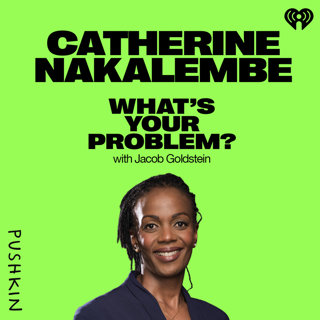
Using Satellites to Prevent Famines
Catherine Nakalembe is an assistant professor at the University of Maryland and the head of the Africa program at NASA Harvest, which uses satellite images to track agriculture around the world. Cathe...
3 Syys 36min
The Quantum Shift in Biomedical Discovery from Smart Talks with IBM
When Dr. Lara Jehi began treating epilepsy patients in the 2000s, critical surgical decisions were driven more by clinician intuition and expertise than data. Today, she is a leader of IBM and Clevela...
20 Elo 44min
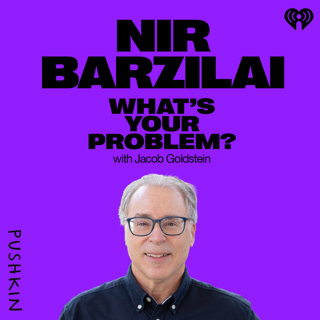
Can We Slow Down Aging?
Nir Barzilai is a physician and a researcher at the Albert Einstein College of Medicine in New York, where he runs the Institute for Geroscience. Nir’s problem is this: How can we use lifestyle change...
13 Elo 36min
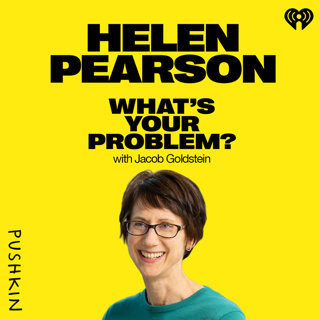
Why Doctors Use Evidence but Managers (Mostly) Don’t
Helen Pearson is the author of the book “Beyond Belief: How Evidence Shows What Really Works.” Helen's problem is this: How do you get people to make important decisions based on high-quality evidence...
6 Elo 41min