

Learn the rules: The hacker mindset
Research Manager Mike Walker reflects on a career spanning hacker culture, cybersecurity, and AI, sharing lessons about trust, teamwork, leadership, and why solving difficult problems requires curiosi...
3 Marras 0s

Microsoft Research Focus – Edition #97
Host Sowbhagya Suresh shares some of the latest news and cutting-edge research from across Microsoft—from understanding the challenges facing coding agents to uncovering how people use AI at work and ...
29 Loka 0s

Called to serve: Tech, research, and positive impact with Chris White
Lab Director Chris White has worked on research challenges with real-world implications—from new approaches to wartime data analysis to tools for combating human trafficking. He talks to program manag...
20 Loka 38min
What AI gets wrong and what failure teaches us
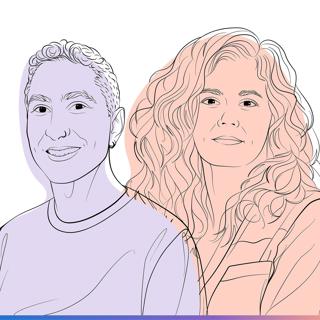
Jennifer Neville did not want to go into computer science—but that’s exactly where she landed. Neville discusses the starts and stops that led to her professional sweet spot and her work identifying “...
6 Loka 39min
Can we AI our way to a more sustainable world?
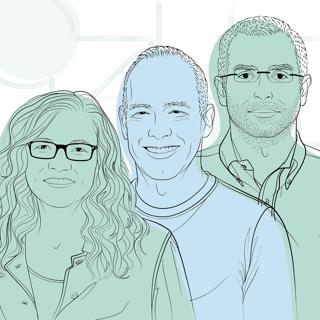
Doug Burger, sustainability expert Amy Luers, and optimization researcher Ishai Menache examine the global emissions implications of datacenter operations, efficiency gains, and AI's potential across ...
20 Huhti 1h 1min

Ideas: Steering AI toward the work future we want
Microsoft Chief Scientist Jaime Teevan and researchers Jenna Butler, Jake Hofman, and Rebecca Janssen unpack the New Future of Work Report 2025 and explore the ideal AI-driven working world. Plus, is ...
9 Huhti 54min

Will machines ever be intelligent?
Are machines truly intelligent? AI researchers Subutai Ahmad and Nicolò Fusi join Doug Burger to compare transformer-based AI with the human brain, exploring continual learning, efficiency, and whethe...
23 Maalis 1h 8min

Trailer: The Shape of Things to Come
Microsoft research lead Doug Burger introduces his new podcast series, The Shape of Things to Come, an exploration into the fundamental truths about AI and how the technology will reshape the future.T...
3 Maalis 2min
