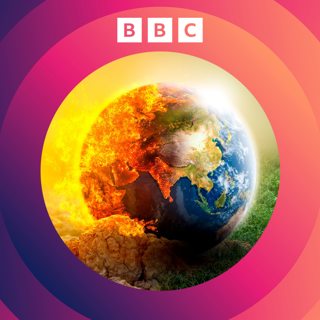
Climate Overshoot: The World Beyond 1.5°C
The United Nations says the world will pass its most important climate target within a few years. So can we bring the planet's temperature back down quickly? Or will the damage be irreversible?In 2015...
27 Syys 28min
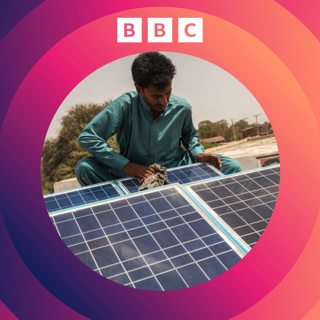
The solar power boom in Pakistan and the Philippines
The Philippines and Pakistan are now the world's top solar panel importers. We find out why, and what other countries can learn from the boom!Cheap solar panels, mainly imported from China, are transf...
20 Syys 22min

Can China build its way out of climate change?
Huge construction projects are transforming China - think enormous dams, giant solar power farms and a vast high-speed rail network. Will Beijing's "engineering mindset" help it deal with climate chan...
13 Syys 27min

How will melting glaciers change Nepal?
As shown by the recent flash floods, Nepali mountain communities are on the front line of climate change. Can they adapt?Host Jordan Dunbar talks to two Sherpas who have become climate researchers. Th...
6 Syys 26min
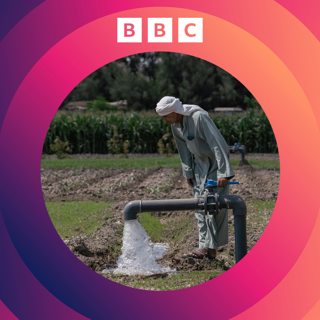
Can we cope with droughts?
Europe is reeling from a record-breaking drought which has closed nuclear power stations, stopped river traffic and sent food prices soaring. And there may now be more intense droughts in some parts o...
30 Elo 26min

How do we save Africa's forests?
African forests are vital for food and economic development, as well as for supporting millions of species of animals and plants. We find out how to protect them better with one of Africa’s top enviro...
23 Elo 22min
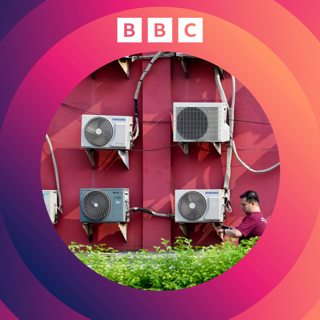
Is air conditioning the answer to extreme heat?
Experts say we may now need to spend more on cooling our homes than heating them because of climate change. In fact, the International Energy Agency thinks the equivalent of 10 new air conditioners ev...
16 Elo 26min

Is this a new era of wildfires?
Huge wildfires have been sweeping across Southern Europe and North America. Is climate change increasing the risk? And what can we do? Weather experts say the world is starting to see new types of wil...
9 Elo 22min