Professor Alex Edmans on Misinformation

Professor Alex Edmans on Misinformation

Why is misinformation so prevalent, and what can we do about it? On this episode, I’m speaking with Alex Edmans, a London Business School Finance Professor who has written a book called ‘May Contain Lies: How Stories, Statistics, and Studies Exploit Our Biases and What We Can Do About It’.

Alex’s areas of focus are purposeful business, sustainable investing, corporate governance, and behavioural finance. He’s also very prepared to use his platform to challenge people who propagate inaccuracies or misleading information.

In our discussion, we explore why he wrote his book, the impact of cognitive biases on decision-making, and practical solutions to navigate a world rife with misinformation.

You’ll hear about the pitfalls of relying on research produced with an agenda in mind and why we need to be wary when we’re told that a particular academic establishment has published a piece of research.

Alex also explains why the popular belief that if you spend 10,000 hours on a particular activity, you’ll have to be skilled at it might not be all it seems and why popular management mantras like ‘start with why’ aren’t as effective as those who propose them might like us to believe.

He talks about his own experiences and why his judgement has been just as vulnerable to biases as ours. Find out why cognitive diversity matters and why we shouldn’t listen to everyone’s views.


Timestamp Highlights: (Produced by AI)
  • [00:00:00] Introduction
    • Christian introduces Professor Alex Edmans and discusses his impact on social media and public discourse.
  • [00:01:00] Motivation for Writing "May Contain Lies"
    • Alex explains his transition from academic research to writing about misinformation and the importance of discerning data accuracy over personal biases.
  • [00:02:00] Cognitive Biases and Their Impact
    • Discussion on confirmation bias and black-and-white thinking and how they affect our perception of data and evidence.
  • [00:04:00] Personal Experiences with Bias
    • Alex shares personal anecdotes illustrating how even experts can fall prey to biases and misinformation.
  • [00:08:00] The 10,000 Hours Rule
    • A critical look at Malcolm Gladwell's popular concept and its misinterpretations.
  • [00:13:00] Research and Decision-Making
    • The importance of scrutinising academic research and the pitfalls of relying solely on endorsements and institutional affiliations.
  • [00:21:00] Statistical Literacy
    • Alex emphasises the need for statistical literacy from an early age and practical ways to teach it.
  • [00:23:00] Balancing Data and Anecdotes
    • How to effectively use stories and data to make informed decisions.
  • [00:25:00] Encouraging Cognitive Diversity
    • The value of different perspectives in decision-making processes and organisational settings.
  • [00:29:00] Flaws in Consultant Research
    • Critique of research produced by consultancies like McKinsey and the difference between advocacy and genuine scientific inquiry.
  • [00:36:00] Limits of Cognitive Diversity
    • Discussing when it might be necessary to draw the line in accepting diverse viewpoints, especially in the context of misinformation.
  • [00:41:00] Societal Solutions to Misinformation
    • Proposals for improving transparency in endorsements and the peer review process to combat misinformation.
  • [00:46:00] Role of Gatekeepers
    • The diminishing role of traditional gatekeepers in the age of social media and the importance of self-regulation and critical thinking.
  • [00:55:00] Ethical Presentation of Data
    • Encouraging ethical behaviour in the presentation of data and the potential for individuals to influence organisational culture positively.
  • [00:59:00] Closing Remarks
    • Christian wraps up the conversation, highlighting the key takeaways from the discussion and thanking Alex for his insights.
Key Quotes:
  • "Misinformation has always been around, but the ease with which it spreads today is unprecedented."
  • "The goal is not to enslave the reader to think like a statistician but to allow them to live more freely by being discerning with information."
Resources Mentioned:
  • Book: "May Contain Lies: How Stories, Statistics, and Studies Exploit Our Biases and What We Can Do About It" by Alex Edmans
  • Website: maycontainlies.com
Follow Alex Edmans:Subscribe & Follow:
  • To discover episodes of the show you might have missed, visit the show's website
  • Follow Christian on Twitter and LinkedIn.

Tämä jakso on lisätty Podme-palveluun avoimen RSS-syötteen kautta eikä se ole Podmen omaa tuotantoa. Siksi jakso saattaa sisältää mainontaa.

Jaksot(368)

Tahira Endean on Joy as a KPI (or why live events need to be more joyful)

Tahira Endean on Joy as a KPI (or why live events need to be more joyful)

What if joy became the most important metric when we organised events? Or, to put it another way, why are so many events uninspiring and not very joyful?Episode SummaryOn this episode, I’m joined by e...

6 Heinä 20251h 2min
Claus Raasted on Getting Shit Done

Claus Raasted on Getting Shit Done

Why is getting shit done so hard, and what can we do about it?Episode Summary Getting shit done isn’t just about motivation or tools, it’s about design. In this episode, I speak to Claus Raasted: cons...

29 Kesä 20251h 10min
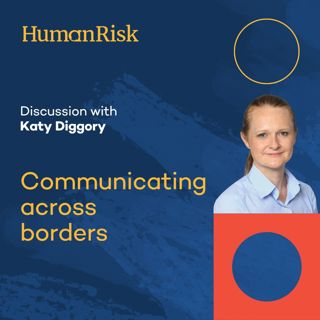
Katy Diggory on communicating across borders

Katy Diggory on communicating across borders

What happens when a British communications expert takes her political instincts and corporate storytelling skills to Germany? 🎙️ Overview On this episode, I speak with Katy Diggory, who’s done exactl...

21 Kesä 202553min
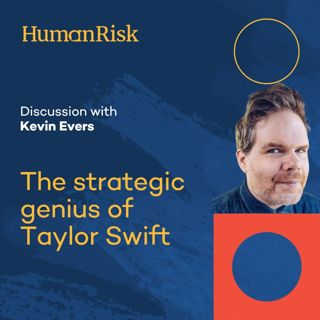
Kevin Evers on The Strategic Genius of Taylor Swift

Kevin Evers on The Strategic Genius of Taylor Swift

What can a global pop icon teach us about business strategy? In the case of Taylor Swift, more than you might think.Episode SummaryOn this episode, I’m joined by Kevin Evers, senior editor at Harvard ...

14 Kesä 20251h 8min
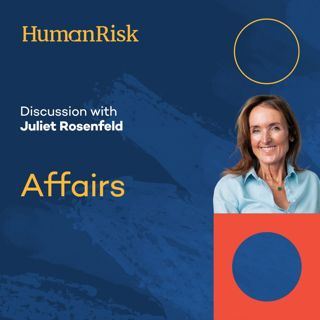
Juliet Rosenfeld on Affairs

Juliet Rosenfeld on Affairs

Why do people have affairs? What lessons can we learn from infidelity?It's estimated that an affair will impact one in five of us, yet it tends to be a taboo subject.  So, on this episode, I'm going t...

7 Kesä 20251h 6min
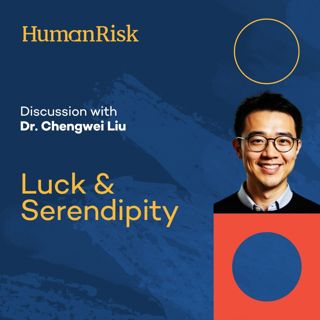
Dr Chengwei Liu on Luck & Serendipity

Dr Chengwei Liu on Luck & Serendipity

Have you ever wondered how much of your success is down to luck? What if the world is far less fair and predictable than we’d like to think? On this episode, I explore the complex and fascinating role...

1 Kesä 20251h 3min
Professor Magda Osman on Psychological Harm

Professor Magda Osman on Psychological Harm

What is psychological harm, and can we really regulate it? Should an AI-companion app be allowed to dump the person who is using it?  📝 Episode Summary On this episode, I’m joined once again by Profe...

24 Touko 20251h 2min
Sarah Ward on Chemistry, Committees & Cooking

Sarah Ward on Chemistry, Committees & Cooking

What do chemistry, committees and cooking have in common?  They’re all things which have formed part of the career of my guest on this episode. She’s Sarah Ward, owner of The Cookery Lab, a unique coo...

18 Touko 20251h 5min

Suosittua kategoriassa Tiede

rss-poliisin-mieli
tiedekulma-podcast
rss-mita-tulisi-tietaa
docemilia
filocast-filosofian-perusteet
menologeja-tutkimusmatka-vaihdevuosiin
rss-duodecim-lehti
rss-tiedetta-vai-tarinaa
sotataidon-ytimessa
rss-lapsuuden-rakentajat-podcast
rss-lihavuudesta-podcast
utelias-mieli
radio-antro
rss-bios-podcast
rss-metsantuntijat-podcast
rss-luontopodi-samuel-glassar-tutkii-luonnon-ihmeita
rss-sosiopodi