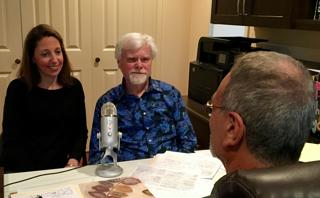

031: Live Session (Mark) — Agenda Setting Phase (Part 3)

031: Live Session (Mark) — Agenda Setting Phase (Part 3)

In the early days of my career, I (Dr. Burns) would have assumed that Mark definitely wanted to change--after all, he'd been in a lot of pain for a long time, and he came to the session because he wanted help. So, following the empathy phase of the session, I would have jumped in with a variety of cognitive therapy techniques to help Mark challenge his Negative Thoughts, such as "I've been a failure as a father," or "my brain is defective." Although this might have been effective, there's a good chance that it might not have worked. That's because Mark might have "yes-butted" me or insisted that he really was a failure and that I just wasn't "getting it."

In fact, the attempt to help the patient without first dealing with the patient's resistance is the cause of nearly all therapeutic failure. But most therapists make this mistake over and over--and don't realize that their well-intentioned efforts to help actually trigger and reinforce the patient's resistance.

Instead, TEAM Therapists use a number of Paradoxical Agenda Setting (PAS) techniques designed to bring the patient's subconscious resistance to conscious awareness. Then we melt the resistance away before attempting to change the way the patient is thinking and feeling. I (DB) have developed 15 or 20 PAS techniques, and Jill and I used several of them in our session with Mark:

  • The Invitation Step
  • The Miracle Cure Question
  • The Magic Button
  • Positive Reframing
  • The Acid Test
  • The Magic Dial

When Jill and I use Positive Reframing, we are hoping that Mark will make an unexpected discovery--that his negative thoughts and feelings, such as his sadness, shame, discouragement, and inadequacy actually reflect his core values and show what a positive, awesome human being he is. In other words, he will discover that his core values are actually the source of his symptoms as well as his resistance to change.

This approach represents a radical departure from the way many psychiatrists and psychologists think about psychiatric symptoms as well as resistance. When I was a psychiatric resident, I (DB) was trained to think about resistance as something negative. For example, we may tell ourselves that resistant patients cling to their feelings of depression and worthlessness because they want attention, because they want to feel sorry for themselves, because they fear change, or because they are afraid will lose their identity if they recover. While there's some truth in these formulations, they may not be helpful because they tend to cast the patient in a negative light, as if their symptoms and their resistance to change were somehow bad, or childish, or based on some kind of chemical imbalance in their brains. As you will see, the TEAM-CBT approach approaches resistance is radically different manner.

We will give you the chance to pause the podcast briefly and try your own hand at Positive Reframing before you hear it live during the session. Specifically, we will ask you to review Mark's Daily Mood Log, and ask yourself these two questions about each of his negative thoughts and feelings:

  • What does this negative thought or feeling show about Mark that is beautiful, positive, and awesome?
  • What are some benefits, or advantages, of this negative thought or feeling? Are there some ways that this thought or feeling is helping Mark?

As you so this, make a list of as many Positives as you can on a piece of paper. See what you can come up with.

I want to warn you that it may be difficult to come up with your list of Positives at first. If so, this is good, because when you hear the next podcast, you'll have many "ah ha!" moments and it will all become quite obvious to you. Then you will have a new and deeper understanding of resistance--an understanding that can help you greatly if you are a therapist or if you are struggling with your own feelings of depression and anxiety.

Jill gives a great overview of why the paradoxical approach is necessary during the Paradoxical Agenda Setting phase of the session.

To learn more about Paradoxical Agenda Setting, you can read David's featured article in the March / April 2017 issue of Psychotherapy Networker entitled "When Helping Doesn't Help." You will see how he helped a woman struggling with intense depression, anxiety and rage due to decades of horrific domestic rape and violence.

Jaksot(511)

466: Ask David: Is friendship a need? Help! I'm lost and alone!

466: Ask David: Is friendship a need? Help! I'm lost and alone!

Ask David: Is friendship a basic human need? Lost and alone--What should I do? #466 Ask David: Is friendship a basic human need? Lost and alone—what should I do? The answers to today's questions are b...

8 Syys 202558min

465: The Music of TEAM

465: The Music of TEAM

The Music of TEAM-- A Little Different from the Music of REBT! There are many paradoxes in TEAM! That's part of what makes TEAM challenging, but also exciting. Do you know what the plural of paradox i...

5 Syys 202555min

464: Hopelessness: A New Approach

464: Hopelessness: A New Approach

Hopelessness: A New Approach Featuring Mike Christensen Often, therapists are drawn to become specialists in the very area where they once suffered and felt most vulnerable. In Mike's case, he describ...

1 Syys 202554min

463: The Perfectionism Webinar, Part 2 of 2

463: The Perfectionism Webinar, Part 2 of 2

Defeat Perfectionism and Discover the Art of Self-Acceptance Part 2 of 2 Last week, we published Part 1 of the two-hour webinar on techniques to defeat perfectionism. This week, in Part 2 you'll lear...

25 Elo 20251h 1min

462: The Perfectionism Webinar, Part 1 of 2

462: The Perfectionism Webinar, Part 1 of 2

Defeat Perfectionism and Discover the Art of Self-Acceptance Part 1 of 2 This Is for Everyone--Shrinks AND the General Public! On Wednesday, July 9, 2025, Dr. Jill Levitt and I did a FREE, two-hour w...

18 Elo 20251h 5min

461: Ask David: Perfectionism, Procrastination, and More!

461: Ask David: Perfectionism, Procrastination, and More!

Ask David: How to Stop Giving a Crap Motivating a Procrastinator . . . and More The answers to today's questions are brief and were written prior to the show. Listen to the podcast for a more in-depth...

11 Elo 20251h 5min

460: Ask David: The Fear of Happiness!

460: Ask David: The Fear of Happiness!

Ask David-- The Fear of Happiness! Although we had five questions for today's Ask David episode, we spend the entire podcast on the first question from a man with an intense fear of happiness. He wrot...

4 Elo 20251h 9min

459: Personal Work with our Beloved Rhonda, Part 2

459: Personal Work with our Beloved Rhonda, Part 2

Part 2 of Our Personal Work with Rhonda The Surprising Conclusion of Rhonda's Session with Matt and David Last week, you heard Part 1 of our personal work--a single two hour therapy session--with Rhon...

28 Heinä 20251h

Suosittua kategoriassa Koulutus

rss-murhan-anatomia
voi-hyvin-meditaatiot-2
rss-narsisti
rss-uskonto-on-tylsaa
rss-vapaudu-voimaasi
psykologia
rss-liian-kuuma-peruna
psykopodiaa-podcast
rss-duodecim-lehti
adhd-podi
aamukahvilla
kesken
rss-valo-minussa-2
rss-tietoinen-yhteys-podcast-2
rss-hereilla
filocast-filosofian-perusteet
rss-taloustaito-podcast
rss-turun-yliopisto
rss-luonnollinen-synnytys-podcast
rss-synapselingo-opi-englantia