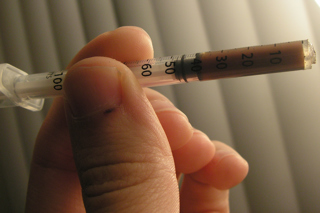

Opioid MIniseries Part IV: Harm Reduction

Opioid MIniseries Part IV: Harm Reduction

PRACTICE RECOMMENDATIONS

1. Patients who abuse opioids should be managed without judgement; addiction is a medical condition and not a moral failing. Caregivers should endeavor to meet patients "where they are," infusing empathy and understanding into the patient/medical provider relationship.

2. Every emergency clinician should be well-versed in the safe injection of heroin and other intravenous (IV) drugs, and understand the practical steps for minimizing the dangers of overdose, infection, and other complications. When treating patients with complications of IV drug use, injection habits should be discussed and instruction should be given about safe practices.

3. Emergency department patients who inject drugs should be referred to local syringe access programs, where they can obtain sterile injection materials and support services such as counseling, HIV/hepatitis testing, and referrals.

4. Emergency departments should provide naloxone to high-risk patients at discharge. If the drug is unavailable at the time of release, patients should receive a prescription and be informed about the over-the-counter availability of the drug in most Colorado pharmacies.

5. Emergency clinicians should be familiar with Colorado's regulations pertaining to naloxone. State laws eliminate liability risk for prescribing the drug, encourage good samaritan reporting of overdose, and make naloxone legal and readily available over the counter in most pharmacies.

6. Emergency department patients who receive prescriptions for opioids should be educated on their risks, safe storage methods, and the proper disposal of leftover medications.

POLICY RECOMMENDATIONS

1. Harm reduction agencies and community programs that provide resources for people who inject drugs (PWID) should be made readily available.

2. When local programs are unavailable for PWID, emergency departments should establish their own programs to provide services such as safe syringe exchanges.

Jaksot(1145)

Podcast #285: C Diff

Podcast #285: C Diff

Author: Aaron Lessen, M.D. Educational Pearls While C. difficile infections are generally thought of as nosocomial, there is a subset of patients who acquire the infection in the community. One rece...

1 Tammi 20182min

Podcast #284: Plane Emergencies

Podcast #284: Plane Emergencies

Author: Erik Verzemneicks, M.D. Educational Pearls 1/600 flights has an on-board request for medical assistance. Most common complaints on board include: syncope, respiratory complaints, and GI compl...

29 Joulu 20173min

Podcast #283: Snow Blindness

Podcast #283: Snow Blindness

Author: John Winkler, M.D. Educational Pearls Photokeratitis is a UV burn of the sclera and cornea, which can cause blindness. UV light causes eyelid swelling with diffuse scarring of the eye (wides...

27 Joulu 20173min
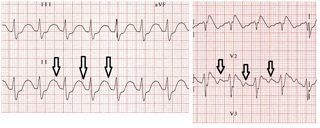
Podcast #282: EKG Changes in DKA

Podcast #282: EKG Changes in DKA

Author: Dave Rosenberg, M.D. Educational Pearls EKG changes that can be seen in DKA include ST elevation and peaked T-waves secondary to derangements in K levels. In DKA, serum K is high, but total ...

25 Joulu 20173min

Deep Dive #8: Wintertime Wilderness Medicine

Deep Dive #8: Wintertime Wilderness Medicine

Author: John Winkler, M.D. Dr. Winkler shares his knowledge of wilderness medicine and provides insight on how to prevent and treat conditions such as hypothermia, frostbite and sun blindness. More im...

18 Joulu 201729min
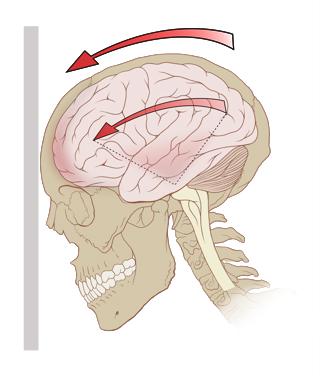
Podcast #281: Intracranial Hemorrhage Treatment

Podcast #281: Intracranial Hemorrhage Treatment

Podcast #281: Intracranial Hemorrhage Treatment Author: Don Stader, M.D. Educational Pearls Types of traumatic bleeds include subdural, epidural, and subarachnoid. Treatment for a traumatic bleed inc...

15 Joulu 20172min

Podcast #280: Isolated Aphasia in Stroke

Podcast #280: Isolated Aphasia in Stroke

Author: Aaron Lessen, M.D. Educational Pearls Patients with an ischemic stroke from occlusion of the left middle cerebral artery often present with aphasia in addition to other neurological deficits....

11 Joulu 20171min

Podcast #279: Sedation After Intubation

Podcast #279: Sedation After Intubation

Author: Aaron Lessen, M.D. Educational Pearls Post-intubation care should always include pain control and adequate sedation. Commonly used sedation agents include propofol, ketamine and versed. Howev...

8 Joulu 20171min

Suosittua kategoriassa Tiede

tiedekulma-podcast
rss-mita-tulisi-tietaa
rss-poliisin-mieli
rss-duodecim-lehti
docemilia
radio-antro
filocast-filosofian-perusteet
rss-ammamafia
rss-luontopodi-samuel-glassar-tutkii-luonnon-ihmeita
rss-sosiopodi
utelias-mieli
rss-astetta-parempi-elama-podcast
rss-tiedetta-vai-tarinaa