
Opioid MIniseries Part IV: Harm Reduction

Opioid MIniseries Part IV: Harm Reduction

PRACTICE RECOMMENDATIONS

1. Patients who abuse opioids should be managed without judgement; addiction is a medical condition and not a moral failing. Caregivers should endeavor to meet patients "where they are," infusing empathy and understanding into the patient/medical provider relationship.

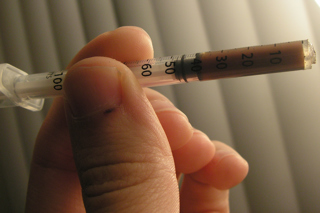
2. Every emergency clinician should be well-versed in the safe injection of heroin and other intravenous (IV) drugs, and understand the practical steps for minimizing the dangers of overdose, infection, and other complications. When treating patients with complications of IV drug use, injection habits should be discussed and instruction should be given about safe practices.

3. Emergency department patients who inject drugs should be referred to local syringe access programs, where they can obtain sterile injection materials and support services such as counseling, HIV/hepatitis testing, and referrals.

4. Emergency departments should provide naloxone to high-risk patients at discharge. If the drug is unavailable at the time of release, patients should receive a prescription and be informed about the over-the-counter availability of the drug in most Colorado pharmacies.

5. Emergency clinicians should be familiar with Colorado's regulations pertaining to naloxone. State laws eliminate liability risk for prescribing the drug, encourage good samaritan reporting of overdose, and make naloxone legal and readily available over the counter in most pharmacies.

6. Emergency department patients who receive prescriptions for opioids should be educated on their risks, safe storage methods, and the proper disposal of leftover medications.

POLICY RECOMMENDATIONS

1. Harm reduction agencies and community programs that provide resources for people who inject drugs (PWID) should be made readily available.

2. When local programs are unavailable for PWID, emergency departments should establish their own programs to provide services such as safe syringe exchanges.

Jaksot(1145)

Podcast #248: Family Presence During Resuscitation

Podcast #248: Family Presence During Resuscitation

Author: Aaron Lessen, M.D. Educational Pearls Traditionally the family is removed from the room during procedures and codes, but recent research shows that family presence may be beneficial. 50% pati...

8 Syys 20173min
Podcast #249: D-Dimer

Podcast #249: D-Dimer

Author: Michael Hunt, M.D. Educational Pearls In the recent YEARS study, investigators checked every patient with suspicion for PE with a D-dimer, using a modified Wells score for risk stratification...

6 Syys 20173min
Podcast #248: Patent Foramen Ovale

Podcast #248: Patent Foramen Ovale

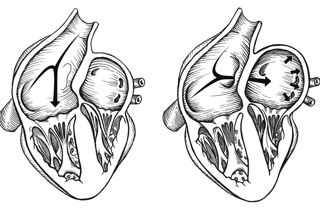
Author: Jared Scott, M.D. Educational Pearls The foramen ovale (FO) connects the left and right atria to allow oxygenated blood to bypass the developing lungs, it usually closes at birth but for some...

4 Syys 20173min

Podcast #247: Are You Listening? - 3 Ear Emergencies You Can't Miss!

Podcast #247: Are You Listening? - 3 Ear Emergencies You Can't Miss!

Author: Don Stader, M.D. Educational Pearls Ear pain is a common complaint in adults and kids. A red, hot, painful ear with involvement of the pinna could indicate perichondritis - an infection of th...

2 Syys 20176min
Podcast #246: Fever in Sepsis

Podcast #246: Fever in Sepsis

Author: Nick Hatch, M.D. Educational Pearls A recent observational cohort study found that the biggest predictor for sepsis survival was fever. Those with higher fevers had better outcomes. Some poss...

31 Elo 20172min
Podcast #245: Hypoglycemia

Podcast #245: Hypoglycemia

Author: Dylan Luyten, M.D. Educational Pearls Hypoglycemia is very common in type 2 diabetics, and is often caused by insulin overdose or missed meals. Knowing the peak time of action for common diab...

29 Elo 20174min
Podcast #244: Clavicle Fracture Review

Podcast #244: Clavicle Fracture Review

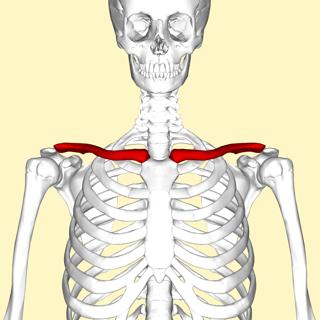
Author: Nick Hatch, M.D. Educational Pearls The force required to break a clavicle is significant, so clavicle fracture may be associated with other injury (pneumothorax, vascular injury). Most fract...

27 Elo 20172min
Podcast #243: Sphenopalatine Nerve Block

Podcast #243: Sphenopalatine Nerve Block

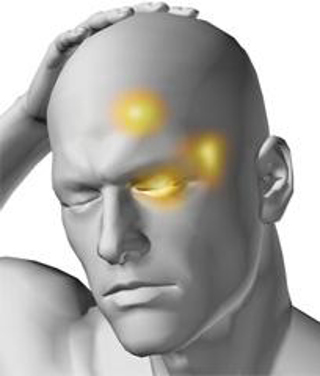
Author: Don Stader, M.D. Educational Pearls Cluster headaches are usually intense, unilateral, and involve the periorbital area. CN V (Trigeminal) provides sensory and autonomic innervation the face...

25 Elo 20174min

Suosittua kategoriassa Tiede

tiedekulma-podcast
rss-mita-tulisi-tietaa
rss-poliisin-mieli
docemilia
rss-duodecim-lehti
rss-sosiopodi
radio-antro
filocast-filosofian-perusteet
rss-ammamafia
utelias-mieli
mielipaivakirja
rss-bios-podcast
rss-astetta-parempi-elama-podcast
rss-tiedetta-vai-tarinaa
rss-luontopodi-samuel-glassar-tutkii-luonnon-ihmeita