Opioid MIniseries Part IV: Harm Reduction

Opioid MIniseries Part IV: Harm Reduction

PRACTICE RECOMMENDATIONS

1. Patients who abuse opioids should be managed without judgement; addiction is a medical condition and not a moral failing. Caregivers should endeavor to meet patients "where they are," infusing empathy and understanding into the patient/medical provider relationship.

2. Every emergency clinician should be well-versed in the safe injection of heroin and other intravenous (IV) drugs, and understand the practical steps for minimizing the dangers of overdose, infection, and other complications. When treating patients with complications of IV drug use, injection habits should be discussed and instruction should be given about safe practices.

3. Emergency department patients who inject drugs should be referred to local syringe access programs, where they can obtain sterile injection materials and support services such as counseling, HIV/hepatitis testing, and referrals.

4. Emergency departments should provide naloxone to high-risk patients at discharge. If the drug is unavailable at the time of release, patients should receive a prescription and be informed about the over-the-counter availability of the drug in most Colorado pharmacies.

5. Emergency clinicians should be familiar with Colorado's regulations pertaining to naloxone. State laws eliminate liability risk for prescribing the drug, encourage good samaritan reporting of overdose, and make naloxone legal and readily available over the counter in most pharmacies.

6. Emergency department patients who receive prescriptions for opioids should be educated on their risks, safe storage methods, and the proper disposal of leftover medications.

POLICY RECOMMENDATIONS

1. Harm reduction agencies and community programs that provide resources for people who inject drugs (PWID) should be made readily available.

2. When local programs are unavailable for PWID, emergency departments should establish their own programs to provide services such as safe syringe exchanges.

Jaksot(1145)

Podcast #193: The Quick Wee

Podcast #193: The Quick Wee

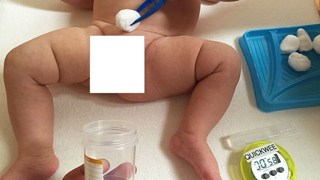
Author: JP Brewer M.D. Educational Pearls: The "Quick Wee" was a method to get urine out of infants who need to have a UA in the Emergency Department. A randomized-controlled experiment was done with...

22 Huhti 20172min
Podcast #192: Back Fat Hernia

Podcast #192: Back Fat Hernia

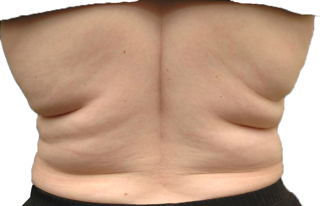
Author: Jared Scott M.D. Educational Pearls: There are two anatomical triangles on the back, the inferior lumbar triangle and the superior lumbar triangle. Herniation occurs whenever something moves ...

20 Huhti 20173min
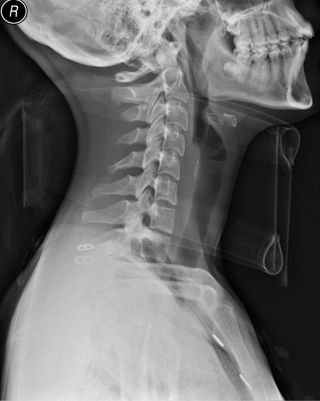
Podcast #191: Blunt Cervical Trauma

Podcast #191: Blunt Cervical Trauma

Author: Chris Holmes M.D. Educational Pearls: Mechanism of injury involves hyperextension/hyperflexion Pathophysiology: inside of the arteries in the neck becomes disrupted, similar to a dissection. ...

18 Huhti 20172min
Deep Dive #2: Biological Terrorism

Deep Dive #2: Biological Terrorism

Author: Michael Hunt M.D. Dr. Hunt shares his wealth of experience with biological terrorism over the course of his career.

16 Huhti 201728min
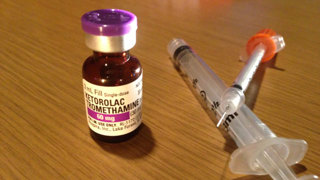
Podcast #190: Toradol Dosing

Podcast #190: Toradol Dosing

Author: Rachel Duncan, PharmD BCPS Educational Pearls: Toradol (Ketorolac) is an NSAID used for its anti-inflammatory properties In practice, the common dosages are 30mg IV or 60mg IM. Clinical conce...

14 Huhti 20172min
Podcast #189: Caffeine

Podcast #189: Caffeine

Author: Donald Stader M.D. Educational Pearls: Coffee originates from Ethiopia. Its "active ingredient" is caffeine. Caffeine is a xanthine alkaloid used in medicine to control headache and as a neo...

12 Huhti 20173min
Podcast #188: Monoarthritis

Podcast #188: Monoarthritis

Author: Peter Bakes M.D. Educational Pearls: Some common causes of monoarticular arthritis include: crystal arthropathies (gout and pseudogout), infection (septic joint), reactive arthritis and acute...

10 Huhti 20175min
Podcast #187: Mumps

Podcast #187: Mumps

Author: Gretchen Hinson M.D. Educational Pearls: The key imaging of a mumps patient is "chipmunk cheeks" or parotitis. The swelling can extend almost to the ears and can be extremely painful - in abo...

29 Maalis 20174min

Suosittua kategoriassa Tiede

tiedekulma-podcast
rss-mita-tulisi-tietaa
rss-poliisin-mieli
docemilia
radio-antro
rss-duodecim-lehti
rss-ammamafia
rss-sosiopodi
utelias-mieli
ihanat-ipanat
mielipaivakirja
filocast-filosofian-perusteet
rss-bios-podcast
rss-tiedetta-vai-tarinaa