Opioid MIniseries Part IV: Harm Reduction

Opioid MIniseries Part IV: Harm Reduction

PRACTICE RECOMMENDATIONS

1. Patients who abuse opioids should be managed without judgement; addiction is a medical condition and not a moral failing. Caregivers should endeavor to meet patients "where they are," infusing empathy and understanding into the patient/medical provider relationship.

2. Every emergency clinician should be well-versed in the safe injection of heroin and other intravenous (IV) drugs, and understand the practical steps for minimizing the dangers of overdose, infection, and other complications. When treating patients with complications of IV drug use, injection habits should be discussed and instruction should be given about safe practices.

3. Emergency department patients who inject drugs should be referred to local syringe access programs, where they can obtain sterile injection materials and support services such as counseling, HIV/hepatitis testing, and referrals.

4. Emergency departments should provide naloxone to high-risk patients at discharge. If the drug is unavailable at the time of release, patients should receive a prescription and be informed about the over-the-counter availability of the drug in most Colorado pharmacies.

5. Emergency clinicians should be familiar with Colorado's regulations pertaining to naloxone. State laws eliminate liability risk for prescribing the drug, encourage good samaritan reporting of overdose, and make naloxone legal and readily available over the counter in most pharmacies.

6. Emergency department patients who receive prescriptions for opioids should be educated on their risks, safe storage methods, and the proper disposal of leftover medications.

POLICY RECOMMENDATIONS

1. Harm reduction agencies and community programs that provide resources for people who inject drugs (PWID) should be made readily available.

2. When local programs are unavailable for PWID, emergency departments should establish their own programs to provide services such as safe syringe exchanges.

Jaksot(1145)

Podcast 702: Paralytic Awareness

Podcast 702: Paralytic Awareness

Contributor: Aaron Lessen, MD Educational Pearls: Known risk factors for being awake and paralyzed in the OR include only receiving IV medications, long-acting paralytics, and no formal monitoring sy...

9 Elo 20212min

Podcast 701: Elevated Blood Pressure Readings

Podcast 701: Elevated Blood Pressure Readings

Contributor: Aaron Lessen, MD Educational Pearls: Recent retrospective cohort study looked at elevated BP readings in the ED and correlation to underlying hypertension Large cohort of over 30,000 pat...

3 Elo 20213min
Podcast 700: Analgesics for Acute Musculoskeletal Pain

Podcast 700: Analgesics for Acute Musculoskeletal Pain

Contributor: Aaron Lessen, MD Educational Pearls: Recent RCT compared pain relief in patients receiving five medications for acute musculoskeletal pain Acetaminophen 1000mg/ibuprofen 400 mg Acetam...

2 Elo 20212min
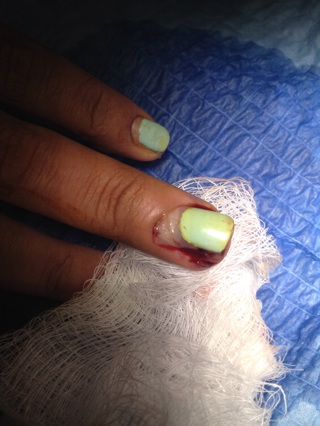
Podcast 699: Pediatric Fingernail Avulsions

Podcast 699: Pediatric Fingernail Avulsions

Contributor: Aaron Lessen, MD Educational Pearls: Traditionally, fingernails were replaced after avulsion using sutures Sometimes artificial material was placed when the fingernail was not available ...

28 Heinä 20213min

Podcast 698: Empathy, Burnout, and Patient Satisfaction

Podcast 698: Empathy, Burnout, and Patient Satisfaction

Contributor: Aaron Lessen, MD Educational Pearls: Survey of EM physicians to self-report empathy and burnout levels and correlated with patient satisfaction scores Patient satisfaction was not affect...

27 Heinä 20212min
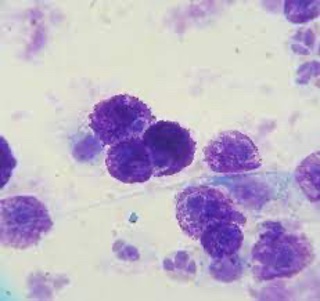
Podcast 697: Kounis Syndrome

Podcast 697: Kounis Syndrome

Contributor: Aaron Lessen, MD Educational Pearls: Kounis syndrome is an allergic acute coronary syndrome Triggers include medications (antibiotics), insect bites, or other common allergens Believed t...

26 Heinä 20213min
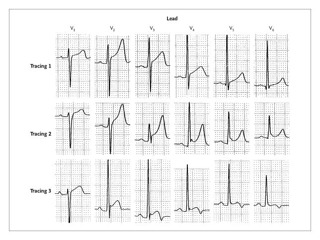
Podcast 696: ST Elevation and Differential Diagnoses

Podcast 696: ST Elevation and Differential Diagnoses

Contributor: Peter Bakes, MD Educational Pearls: ST elevation clinical guidelines for myocardial infarction include: 2.5 mm elevation for males 2 mm elevation in males >40 in V2 and V3 1.5 mm elev...

21 Heinä 20214min
Podcast 695: Einstein and Cellophane

Podcast 695: Einstein and Cellophane

Educational Pearls: Albert Einstein had chronic abdominal pain as a middle-aged man Dr. Rudolph Nissen, founder of the Nissen fundoplication, performed exploratory surgery for this pain and found an ...

20 Heinä 20213min

Suosittua kategoriassa Tiede

tiedekulma-podcast
rss-mita-tulisi-tietaa
rss-poliisin-mieli
docemilia
radio-antro
rss-duodecim-lehti
rss-ammamafia
rss-sosiopodi
utelias-mieli
ihanat-ipanat
mielipaivakirja
filocast-filosofian-perusteet
rss-bios-podcast
rss-tiedetta-vai-tarinaa