Opioid MIniseries Part IV: Harm Reduction

Opioid MIniseries Part IV: Harm Reduction

PRACTICE RECOMMENDATIONS

1. Patients who abuse opioids should be managed without judgement; addiction is a medical condition and not a moral failing. Caregivers should endeavor to meet patients "where they are," infusing empathy and understanding into the patient/medical provider relationship.

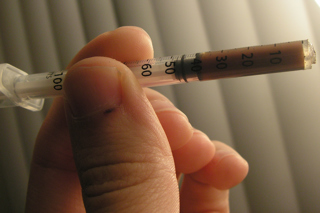
2. Every emergency clinician should be well-versed in the safe injection of heroin and other intravenous (IV) drugs, and understand the practical steps for minimizing the dangers of overdose, infection, and other complications. When treating patients with complications of IV drug use, injection habits should be discussed and instruction should be given about safe practices.

3. Emergency department patients who inject drugs should be referred to local syringe access programs, where they can obtain sterile injection materials and support services such as counseling, HIV/hepatitis testing, and referrals.

4. Emergency departments should provide naloxone to high-risk patients at discharge. If the drug is unavailable at the time of release, patients should receive a prescription and be informed about the over-the-counter availability of the drug in most Colorado pharmacies.

5. Emergency clinicians should be familiar with Colorado's regulations pertaining to naloxone. State laws eliminate liability risk for prescribing the drug, encourage good samaritan reporting of overdose, and make naloxone legal and readily available over the counter in most pharmacies.

6. Emergency department patients who receive prescriptions for opioids should be educated on their risks, safe storage methods, and the proper disposal of leftover medications.

POLICY RECOMMENDATIONS

1. Harm reduction agencies and community programs that provide resources for people who inject drugs (PWID) should be made readily available.

2. When local programs are unavailable for PWID, emergency departments should establish their own programs to provide services such as safe syringe exchanges.

Jaksot(1146)

Podcast 627: Oxygen Like It's Hot

Podcast 627: Oxygen Like It's Hot

Contributor: Aaron Lessen, MD Educational Pearls: High flow nasal cannula (HFNC) has become more utilized with COVID pandemic Multiple studies have shown this method improves both oxygenation and ven...

4 Tammi 20213min
Pharmacy Phriday #6: Tik Tok Benadryl Challenge and Diphenhydramine Toxicity

Pharmacy Phriday #6: Tik Tok Benadryl Challenge and Diphenhydramine Toxicity

Contributor: Ruben Marrero-Vasquez, PharmD Educational Pearls: ACEP and FDA have both issued warnings about the viral Tik Tok Benadryl (diphenhydramine) challenge where individuals voluntarily overdo...

1 Tammi 20216min
Mental Health Monthly #6: Suicide Assessment

Mental Health Monthly #6: Suicide Assessment

EMM is excited to welcome back the hosts of Millennial Mental Health Channel podcast to explain the key points of a robust suicide assessment in the ED. Dr. Justin Romano is a third year psychiatry re...

30 Joulu 202016min
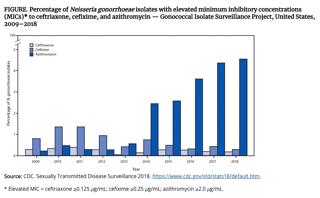
Podcast 626: Updated Gonorrhea Treatment

Podcast 626: Updated Gonorrhea Treatment

Educational Pearls: The CDC has made new formal recommendations for treating Gonorrhea due to increasing resistance to Rocephin and Azithromycin. New recommendations: Confirmed gonorrhea: Ceftriaxo...

29 Joulu 20204min

Podcast 625: High Altitude Cerebral Edema (HACE)

Podcast 625: High Altitude Cerebral Edema (HACE)

Contributor: Tom Seibert, MD Educational Pearls: High altitude cerebral edema (HACE) is the end stage of acute mountain sickness and is diagnosed when patients develop neurologic dysfunction, ataxia,...

28 Joulu 20202min

Podcast 624: Timing and Tips on Sepsis

Podcast 624: Timing and Tips on Sepsis

Contributor: Don Stader, MD Educational Pearls: Time can be an important factor in outcomes regarding sepsis including mortality Emphasis has grown on early administration of antibiotics and IV fluid...

22 Joulu 20203min
Podcast 623: Acute Mountain Sickness

Podcast 623: Acute Mountain Sickness

Contributor: Tom Seibert, MD Educational Pearls: Acute Mountain sickness (AMS) can cause headache along with fatigue, nausea, vomiting, insomnia Typically occurs above 6500 feet (not 65,000) in eleva...

21 Joulu 20204min

Podcast 622: High Altitude Pulmonary Edema (HAPE)

Podcast 622: High Altitude Pulmonary Edema (HAPE)

Contributor: Thomas Seibert, MD Educational Pearls: High Altitude Pulmonary Edema (HAPE) typically occurs 2-4 days after arriving at elevation Symptoms include: Fatigue Dyspnea Cough Treatment in...

15 Joulu 20204min

Suosittua kategoriassa Tiede

rss-poliisin-mieli
tiedekulma-podcast
rss-mita-tulisi-tietaa
docemilia
rss-luontopodi-samuel-glassar-tutkii-luonnon-ihmeita
rss-duodecim-lehti
utelias-mieli
radio-antro
rss-astetta-parempi-elama-podcast
rss-lapsuuden-rakentajat-podcast
rss-lihavuudesta-podcast
rss-sosiopodi












