Opioid MIniseries Part IV: Harm Reduction

Opioid MIniseries Part IV: Harm Reduction

PRACTICE RECOMMENDATIONS

1. Patients who abuse opioids should be managed without judgement; addiction is a medical condition and not a moral failing. Caregivers should endeavor to meet patients "where they are," infusing empathy and understanding into the patient/medical provider relationship.

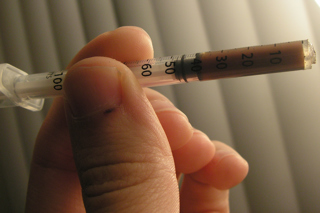
2. Every emergency clinician should be well-versed in the safe injection of heroin and other intravenous (IV) drugs, and understand the practical steps for minimizing the dangers of overdose, infection, and other complications. When treating patients with complications of IV drug use, injection habits should be discussed and instruction should be given about safe practices.

3. Emergency department patients who inject drugs should be referred to local syringe access programs, where they can obtain sterile injection materials and support services such as counseling, HIV/hepatitis testing, and referrals.

4. Emergency departments should provide naloxone to high-risk patients at discharge. If the drug is unavailable at the time of release, patients should receive a prescription and be informed about the over-the-counter availability of the drug in most Colorado pharmacies.

5. Emergency clinicians should be familiar with Colorado's regulations pertaining to naloxone. State laws eliminate liability risk for prescribing the drug, encourage good samaritan reporting of overdose, and make naloxone legal and readily available over the counter in most pharmacies.

6. Emergency department patients who receive prescriptions for opioids should be educated on their risks, safe storage methods, and the proper disposal of leftover medications.

POLICY RECOMMENDATIONS

1. Harm reduction agencies and community programs that provide resources for people who inject drugs (PWID) should be made readily available.

2. When local programs are unavailable for PWID, emergency departments should establish their own programs to provide services such as safe syringe exchanges.

Jaksot(1146)

Mental Health Monthly #3: Maintaining Mental Health and Wellness for Healthcare Professionals

Mental Health Monthly #3: Maintaining Mental Health and Wellness for Healthcare Professionals

In this timely installment of Mental Health Monthly, mental health expert Lexi Eliades shares useful tips for identifying burnout and mental health decline as well as ways to maintain mental wellness ...

6 Touko 202010min
Podcast 559: Metabolic Acidosis

Podcast 559: Metabolic Acidosis

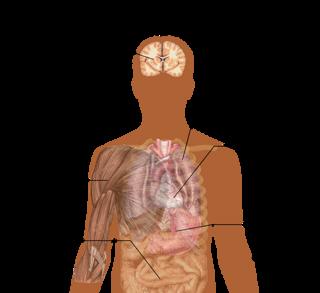
Contributor: Dylan Luyten, MD Educational Pearls Acidosis can be caused by a respiratory, metabolic, or mixed source A respiratory acidosis will have a low serum pH and elevated bicarbonate if it's c...

5 Touko 20203min
Podcast 558:  Rapid ARDS Review

Podcast 558: Rapid ARDS Review

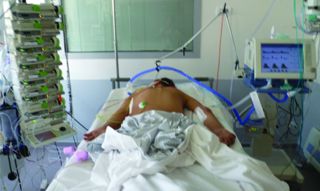
Contributor: Don Stader, MD Educational Pearls: Acute respiratory distress syndrome (ARDS) is a catch all term for when lung injury leads to fluid collection in the air spaces of the lungs  Ventila...

4 Touko 20204min
COVID-19 Digest: Strokes in Young People with COVID

COVID-19 Digest: Strokes in Young People with COVID

Last week we looked at neurologic presentations of COVID-19; this week we'll look more closely at strokes in young people with COVID. A letter published 2 days ago in the NEJM with lead author Thomas ...

1 Touko 20208min

Podcast 557:  COVID-19 Lab Trends

Podcast 557: COVID-19 Lab Trends

Contributor: Don Stader, MD Educational Pearls: COVID-19 is diagnosed with a nasopharyngeal swab (q-tip). This unfortunately can be painful, but if the swab doesn't go deep into the nasal cavity th...

29 Huhti 20207min
Podcast 556:  CSF - What is it good for?

Podcast 556: CSF - What is it good for?

Contributor: Eric Miller, MD Educational Pearls: A cell count is performed on tubes 1 and 4 to account for changes that may occur from blood entering the first sample from the needle insertion Tube 2...

28 Huhti 20206min

Podcast 555:  Anticoagulation vs. Antiplatelet

Podcast 555: Anticoagulation vs. Antiplatelet

Contributor: Don Stader, MD Educational Pearls: When do we give antiplatelet drugs or anti-coagulation drugs? Arterial issues get antiplatelet therapy Venous issues, or slow flow states, get antico...

27 Huhti 20203min
COVID-19 Digest: Neurological Manifestations of COVID-19

COVID-19 Digest: Neurological Manifestations of COVID-19

Accumulating clinical evidence suggests that many patients with COVID have neurological symptoms and that some may even present with neurologic manifestations of the disease. Most COVID patients have ...

23 Huhti 202014min

Suosittua kategoriassa Tiede

tiedekulma-podcast
rss-poliisin-mieli
rss-mita-tulisi-tietaa
docemilia
rss-duodecim-lehti
rss-luontopodi-samuel-glassar-tutkii-luonnon-ihmeita
utelias-mieli
radio-antro
rss-astetta-parempi-elama-podcast
rss-lapsuuden-rakentajat-podcast
rss-lihavuudesta-podcast
rss-sosiopodi












