

Opioid MIniseries Part IV: Harm Reduction

Opioid MIniseries Part IV: Harm Reduction

PRACTICE RECOMMENDATIONS

1. Patients who abuse opioids should be managed without judgement; addiction is a medical condition and not a moral failing. Caregivers should endeavor to meet patients "where they are," infusing empathy and understanding into the patient/medical provider relationship.

2. Every emergency clinician should be well-versed in the safe injection of heroin and other intravenous (IV) drugs, and understand the practical steps for minimizing the dangers of overdose, infection, and other complications. When treating patients with complications of IV drug use, injection habits should be discussed and instruction should be given about safe practices.

3. Emergency department patients who inject drugs should be referred to local syringe access programs, where they can obtain sterile injection materials and support services such as counseling, HIV/hepatitis testing, and referrals.

4. Emergency departments should provide naloxone to high-risk patients at discharge. If the drug is unavailable at the time of release, patients should receive a prescription and be informed about the over-the-counter availability of the drug in most Colorado pharmacies.

5. Emergency clinicians should be familiar with Colorado's regulations pertaining to naloxone. State laws eliminate liability risk for prescribing the drug, encourage good samaritan reporting of overdose, and make naloxone legal and readily available over the counter in most pharmacies.

6. Emergency department patients who receive prescriptions for opioids should be educated on their risks, safe storage methods, and the proper disposal of leftover medications.

POLICY RECOMMENDATIONS

1. Harm reduction agencies and community programs that provide resources for people who inject drugs (PWID) should be made readily available.

2. When local programs are unavailable for PWID, emergency departments should establish their own programs to provide services such as safe syringe exchanges.

Jaksot(1146)

Podcast # 489: Bats & Rabies

Podcast # 489: Bats & Rabies

Contributor: Jared Scott, MD Educational Pearls: The CDC recommends rabies prophylaxis if there was a direct encounter with a possibly rabid animal except... Bats are treated differently since their ...

18 Heinä 20193min
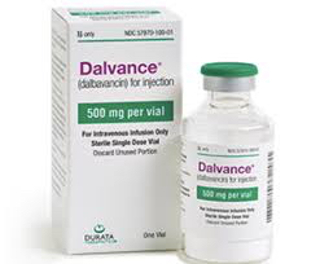
Podcast # 488: Dalbavancin

Podcast # 488: Dalbavancin

Contributor: Nick Hatch, MD Educational Pearls: Dalbavancin (Dalvance®) is an antibiotic that can be used for skin and soft tissue infections, providing MRSA coverage It cannot be used in other infec...

15 Heinä 20193min

Podcast # 487: Hunting for Epiglottitis

Podcast # 487: Hunting for Epiglottitis

Contributor: Michael Hunt, MD Educational Pearls: Due to the efficacy of vaccination, epiglottitis is now more common in adults than children Risk factors include smoking and other immunocompromising...

10 Heinä 20193min

Podcast # 486: Morel Mushrooms

Podcast # 486: Morel Mushrooms

Contributor: Nick Hatch, MD Educational Pearls: True morel mushrooms are commonly foraged The false morel mushroom (Gyromitra esculenta) looks similar to the true morel, but is toxic False morel mush...

8 Heinä 20194min

Podcast # 485: Cerebellar Stroke

Podcast # 485: Cerebellar Stroke

Contributor: Jared Scott, MD Educational Pearls: Cerebellar strokes make up a disproportionate number of missed or delayed diagnosis for stroke likely due to the subtle nature of the presentation Cer...

6 Heinä 20195min

Podcast # 484: Elevated ICP

Podcast # 484: Elevated ICP

Contributor: Charleen Gnisci, PharmD Educational Pearls: Causes of increased intracranial pressure may include intracranial hemorrhage, malignancy, and trauma. While definite treatment is to remove ...

4 Heinä 20196min

Podcast # 483: Dual Antiplatelet Therapy in TIA

Podcast # 483: Dual Antiplatelet Therapy in TIA

Contributor: Don Stader, MD Educational Pearls: Antiplatelets include aspirin and clopidogrel, and are generally used for arterial clotting (MI, stroke) Anticoagulants such as coumadin, Xarelto, Eliq...

28 Kesä 20192min

Podcast # 482: Tetracyclines and Hyperpigmentation

Podcast # 482: Tetracyclines and Hyperpigmentation

Contributor: Michael Hunt, MD Educational Pearls: Tetracycline antibiotics such as minocycline can cause greyish hyperpigmentation This hyperpigmentation can sometimes be reversible but not always Mi...

26 Kesä 20193min

Suosittua kategoriassa Tiede

tiedekulma-podcast
rss-mita-tulisi-tietaa
rss-poliisin-mieli
docemilia
rss-duodecim-lehti
utelias-mieli
rss-astetta-parempi-elama-podcast
rss-luontopodi-samuel-glassar-tutkii-luonnon-ihmeita
filocast-filosofian-perusteet
rss-ammamafia
rss-tiedetta-vai-tarinaa
rss-lapsuuden-rakentajat-podcast
rss-sosiopodi













